
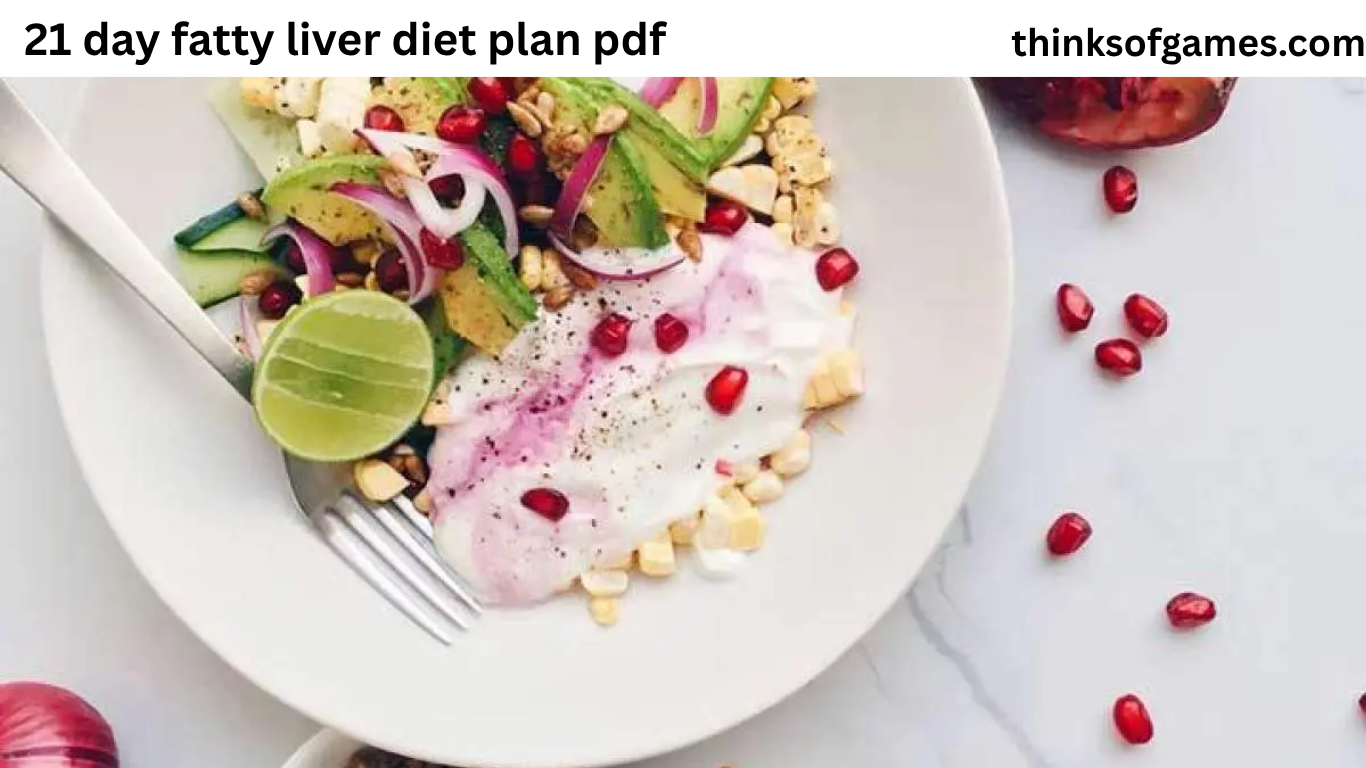
If you are looking for a 21 day fatty liver diet plan PDF, you probably want something simple that tells you what to eat each day without making healthy eating feel complicated.
A good fatty liver meal plan should not be based on extreme fasting, very low-calorie eating, or a long list of “detox” foods. The more useful approach is to build meals around vegetables, whole fruits, whole grains, beans, lean proteins, fish, nuts, seeds, and healthier unsaturated fats while reducing sugary drinks, highly processed foods, excess saturated fat, and large portions.
Fatty liver disease is now commonly discussed as metabolic dysfunction-associated steatotic liver disease, or MASLD. The older term nonalcoholic fatty liver disease, or NAFLD, is still widely used. When steatotic liver disease becomes associated with inflammation and liver injury, it may be called metabolic dysfunction-associated steatohepatitis, or MASH.
This 21 day fatty liver diet plan is designed as a practical educational guide for adults in the United States. It is not a substitute for a personalized plan from a doctor or registered dietitian. People with cirrhosis, diabetes, kidney disease, pregnancy, significant weight loss, or other medical conditions may need a different eating plan.
What Is a 21 Day Fatty Liver Diet Plan?
A 21 day fatty liver diet plan is a three-week eating schedule designed to help you build healthier food habits that may support better metabolic and liver health.
The important point is that 21 days is not a magical period that “cures” fatty liver.
Instead, three weeks can be used as a starting point.
During these 21 days, the goal is to gradually replace habits that can contribute to excess calorie intake and metabolic problems with habits that are easier to maintain.
A practical plan can include:
- Vegetables at most meals
- Whole fruits instead of fruit juice
- Beans and lentils
- Oats and other whole grains
- Fish and lean protein
- Plain or low-sugar yogurt
- Nuts and seeds in reasonable portions
- Olive oil and other unsaturated fats
- Water and unsweetened beverages
At the same time, the plan limits foods and drinks that can make healthy weight management harder.
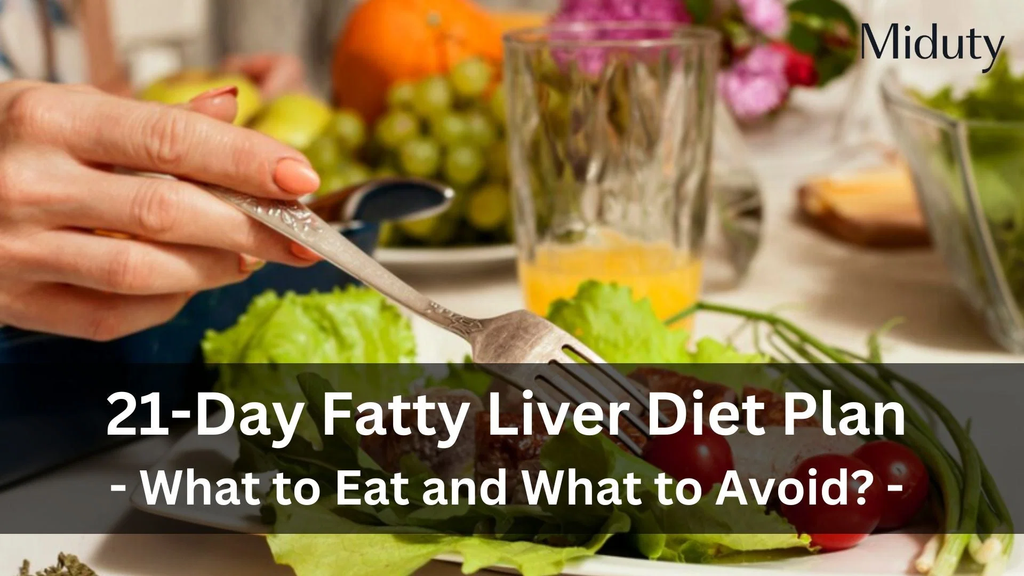
NIDDK recommends healthy eating, portion control, physical activity, and gradual weight loss when appropriate for people with fatty liver disease.
Also read:What Causes Fatty Liver Disease? Causes, Risk Factors, Symptoms, and Prevention
Can a 21 Day Diet Plan Help Fatty Liver?
A 21 day fatty liver diet plan can help you start healthier habits, but three weeks should not be viewed as a guaranteed treatment period.
Dietary improvement works best when it becomes a long-term lifestyle.
For people who have overweight or obesity, gradual weight loss can reduce liver fat. NIDDK reports that losing at least 3% to 5% of body weight can reduce liver fat, while greater weight loss may be needed to improve liver inflammation and fibrosis.
The American Liver Foundation similarly explains that gradual weight loss is an important part of managing MASLD and MASH.
The lesson is important: the purpose of a 21 day fatty liver diet plan is to start the process, not to promise a quick cure.
What Should You Eat on a Fatty Liver Diet?
A healthy fatty liver diet does not require expensive specialty foods.
You can build many meals from ordinary grocery-store foods.
Good choices include:
- Spinach
- Broccoli
- Carrots
- Peppers
- Tomatoes
- Cucumbers
- Green beans
- Berries
- Apples
- Oranges
- Pears
- Oatmeal
- Brown rice
- Whole-grain bread
- Quinoa
- Beans
- Lentils
- Fish
- Skinless chicken
- Eggs
- Plain yogurt
- Nuts
- Seeds
- Avocado
- Olive oil
NIDDK recommends emphasizing lower-glycemic foods such as many vegetables, fruits, and whole grains while reducing foods and drinks containing large amounts of simple sugars.
What Foods Should You Limit With Fatty Liver?
A fatty liver diet is not only about adding healthy foods.
It is also about reducing foods that make it easier to consume too many calories, added sugars, and unhealthy fats.
Try to limit:
- Sugary soda
- Sweetened tea
- Energy drinks
- Sports drinks with added sugar
- Fruit juice in large amounts
- Candy
- Cakes
- Cookies
- Doughnuts
- Fried foods
- Fast food
- Processed meats
- Large portions of red meat
- Highly processed snacks
- Foods high in saturated fat
- Foods with large amounts of added sugar
NIDDK specifically recommends limiting saturated and trans fats and replacing them with unsaturated fats when possible. It also recommends limiting foods and drinks high in simple sugars, particularly fructose.
Why Is a Mediterranean-Style Diet Often Recommended?
One of the most useful ideas behind a 21 day fatty liver diet plan is the Mediterranean-style eating pattern.
This style of eating emphasizes vegetables, fruits, whole grains, beans, nuts, seeds, fish, and healthier fats such as olive oil.
It does not mean you have to eat traditional Mediterranean recipes every day.
The basic principles can be adapted to familiar American foods.
For example, instead of fried chicken with fries and soda, you could choose grilled chicken, roasted vegetables, a small serving of brown rice, and water.
Instead of a breakfast pastry and sweet coffee, you could have oatmeal with berries and nuts.
The American Liver Foundation identifies the Mediterranean diet as one of the best-studied dietary patterns for fatty liver disease.
21 Day Fatty Liver Diet Plan: How to Use It
The following three-week plan gives you a simple structure.
You do not have to eat the exact foods listed if you dislike them.
You can exchange similar foods.
For example, salmon can be replaced with another fish.
Brown rice can be replaced with quinoa or another whole grain.
Beans can be replaced with lentils.
The main goal is the overall pattern.
Portion sizes should be adjusted to your individual calorie needs, activity level, age, body size, and medical situation.
Week 1: Building Better Eating Habits
The first week focuses on removing some of the most common sources of added sugar and highly processed foods while increasing vegetables and whole foods.
Day 1
Breakfast: Oatmeal topped with blueberries, a small amount of walnuts, and cinnamon.
Lunch: Grilled chicken salad with mixed greens, cucumber, tomatoes, carrots, and olive oil-based dressing.
Dinner: Baked salmon with roasted broccoli and a small serving of brown rice.
Snack: An apple with a small handful of almonds.
Drink: Water, sparkling water without added sugar, or unsweetened tea.
Day 2
Breakfast: Plain Greek yogurt with strawberries, chia seeds, and a small amount of oats.
Lunch: Lentil soup with a side salad and whole-grain bread.
Dinner: Skinless chicken breast with roasted vegetables and quinoa.
Snack: A pear and a few walnuts.
The focus today is simple: include protein and fiber instead of relying on highly processed snacks.
Day 3
Breakfast: Two eggs with whole-grain toast and sliced tomatoes.
Lunch: Tuna and vegetable salad with leafy greens, cucumber, peppers, and olive oil.
Dinner: Bean and vegetable bowl with brown rice, black beans, tomatoes, lettuce, and avocado.
Snack: Plain yogurt with berries.
Avoid sweetened drinks today.
Replacing sugary drinks with water is one of the easiest changes you can make.
Day 4
Breakfast: Oatmeal with sliced apple, cinnamon, and chia seeds.
Lunch: Turkey and vegetable whole-grain wrap with lettuce, tomato, cucumber, and a side of fruit.
Dinner: Baked cod with green beans and a small serving of roasted sweet potato.
Snack: Carrot and cucumber slices with hummus.
Day 5
Breakfast: Plain yogurt with blueberries, pumpkin seeds, and oats.
Lunch: Chickpea salad with cucumber, tomato, greens, and olive oil.
Dinner: Grilled chicken with steamed broccoli and brown rice.
Snack: An orange and a small handful of unsalted nuts.
Day 6
Breakfast: Vegetable omelet with spinach, mushrooms, and tomatoes plus whole-grain toast.
Lunch: Bean soup with a side salad.
Dinner: Baked salmon with asparagus and quinoa.
Snack: Apple slices with a small amount of peanut butter.
Choose peanut butter without large amounts of added sugar when possible.
Day 7
Breakfast: Oatmeal with banana slices, cinnamon, and walnuts.
Lunch: Grilled chicken salad with mixed vegetables.
Dinner: Lentil and vegetable stew with a small serving of brown rice.
Snack: Plain Greek yogurt with berries.
At the end of the first week, focus on consistency rather than perfection.
Week 2: Increasing Fiber and Healthy Foods
Week two builds on the first week.
The goal is to make vegetables, whole grains, beans, and other minimally processed foods a regular part of your meals.
Day 8
Breakfast: Two eggs with spinach and whole-grain toast.
Lunch: Quinoa bowl with chickpeas, cucumber, tomato, greens, and avocado.
Dinner: Grilled fish with roasted vegetables and a small serving of brown rice.
Snack: Pear with almonds.
Day 9
Breakfast: Oatmeal with raspberries and chia seeds.
Lunch: Lentil salad with tomatoes, cucumber, greens, and olive oil.
Dinner: Skinless chicken with roasted Brussels sprouts and sweet potato.
Snack: Plain yogurt with strawberries.
Day 10
Breakfast: Greek yogurt with berries, walnuts, and oats.
Lunch: Turkey and vegetable sandwich on whole-grain bread with a side salad.
Dinner: Black bean and vegetable bowl with brown rice and avocado.
Snack: Apple with a small amount of unsweetened peanut butter.
Day 11
Breakfast: Vegetable omelet with spinach, peppers, and mushrooms.
Lunch: Homemade vegetable and bean soup with whole-grain bread.
Dinner: Baked salmon with broccoli and quinoa.
Snack: Orange and a few almonds.
Day 12
Breakfast: Oatmeal with apple, cinnamon, and walnuts.
Lunch: Grilled chicken salad with mixed greens and colorful vegetables.
Dinner: Baked cod with green beans and a small sweet potato.
Snack: Plain Greek yogurt.
Day 13
Breakfast: Whole-grain toast with avocado and a boiled egg.
Lunch: Chickpea and vegetable bowl with quinoa.
Dinner: Grilled chicken with roasted vegetables and brown rice.
Snack: Berries with plain yogurt.
Day 14
Breakfast: Oatmeal with blueberries and chia seeds.
Lunch: Lentil soup with a side salad.
Dinner: Baked fish with roasted vegetables and quinoa.
Snack: Apple and a small handful of walnuts.
At the end of week two, look at your routine.
Are sugary drinks still part of your day?
Are you eating vegetables regularly?
Are your portions reasonable?
Are you eating because you are hungry or because food is simply available?
These questions can be more useful than obsessing over individual foods.
Week 3: Making the Plan Sustainable
The third week is about turning the first two weeks into habits you can continue.
Day 15
Breakfast: Plain Greek yogurt with berries, chia seeds, and walnuts.
Lunch: Grilled chicken and vegetable salad with olive oil dressing.
Dinner: Salmon with broccoli and brown rice.
Snack: Apple.
Day 16
Breakfast: Vegetable omelet with whole-grain toast.
Lunch: Lentil and vegetable bowl with quinoa.
Dinner: Skinless chicken with roasted carrots, green beans, and sweet potato.
Snack: Plain yogurt with berries.
Day 17
Breakfast: Oatmeal with banana, cinnamon, and walnuts.
Lunch: Chickpea salad with cucumber, tomato, greens, and avocado.
Dinner: Baked cod with broccoli and brown rice.
Snack: Pear and almonds.
Day 18
Breakfast: Greek yogurt with strawberries and oats.
Lunch: Turkey whole-grain wrap with vegetables.
Dinner: Black bean bowl with brown rice, vegetables, and avocado.
Snack: Orange.
Day 19
Breakfast: Eggs with spinach and whole-grain toast.
Lunch: Vegetable and lentil soup with a side salad.
Dinner: Grilled salmon with asparagus and quinoa.
Snack: Apple with a small amount of peanut butter.
Day 20
Breakfast: Oatmeal with blueberries and chia seeds.
Lunch: Grilled chicken salad with mixed vegetables.
Dinner: Baked chicken with roasted vegetables and brown rice.
Snack: Plain Greek yogurt.
Day 21
Breakfast: Vegetable omelet with whole-grain toast and fruit.
Lunch: Chickpea and quinoa salad with mixed vegetables.
Dinner: Baked fish with broccoli, sweet potato, and a small salad.
Snack: Berries with plain yogurt.
The final day is not the end of the plan.
It should be the beginning of a routine you can continue.
What Is the Best Breakfast for Fatty Liver?
There is no single perfect breakfast for fatty liver.
A good breakfast usually contains a combination of protein, fiber, and minimally processed carbohydrates.
Examples include:
- Oatmeal with berries and nuts
- Plain Greek yogurt with fruit and seeds
- Eggs with vegetables and whole-grain toast
- Avocado toast with an egg
- Unsweetened oatmeal with apple and cinnamon
The bigger issue is what the breakfast replaces.
A breakfast built around sugary cereal, pastries, sweetened coffee, and processed meat can provide a lot of calories and added sugar.
Replacing that pattern with whole foods can make the overall diet more supportive of healthy weight management.
What Is the Best Lunch for Fatty Liver?
A useful lunch formula is:
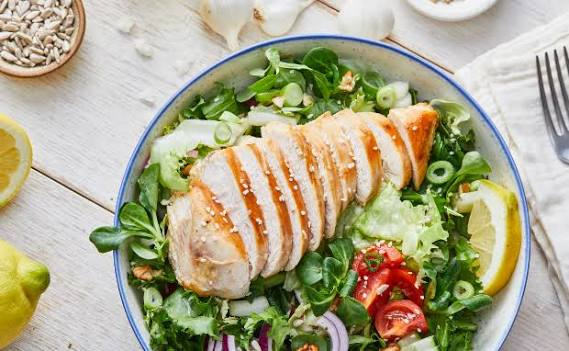
Protein + vegetables + high-fiber carbohydrate + healthy fat.
For example:
Grilled chicken + salad + brown rice + olive oil.
Another option is:
Beans + vegetables + quinoa + avocado.
This formula is flexible and can be used with many different foods.
What Is the Best Dinner for Fatty Liver?
Dinner does not need to be complicated.
Also read:How to Stop Liver Pain Immediately at Home: Safe Steps, Causes, and When to Get Help
A simple dinner can include fish or chicken, plenty of vegetables, and a modest portion of a whole grain or starchy vegetable.
Examples include:
- Salmon with broccoli and brown rice
- Chicken with roasted vegetables and quinoa
- Cod with green beans and sweet potato
- Lentils with vegetables and brown rice
- Black bean bowls with vegetables and avocado
The key is portion control and food quality.
Can You Eat Fruit With Fatty Liver?
Yes, whole fruit can generally be part of a healthy fatty liver eating pattern.
Whole fruit contains fiber and other nutrients.
Examples include:
- Apples
- Berries
- Oranges
- Pears
- Peaches
- Kiwi
- Grapes
The important distinction is between whole fruit and large amounts of sugary drinks or fruit juice.
NIDDK recommends whole fruits as part of a healthy eating pattern and specifically advises limiting drinks containing large amounts of simple sugars.
Can You Eat Rice With Fatty Liver?
Yes, rice does not automatically need to be removed.
The type, portion, and overall diet matter.
Brown rice and other whole grains can be useful choices because they generally provide more fiber than refined grains.
If you enjoy white rice, you do not necessarily need to eliminate it completely.
Instead, consider a smaller portion and pair it with vegetables, beans, fish, or lean protein.
A sustainable diet is usually better than a diet based on unnecessary food bans.
Can You Eat Bread With Fatty Liver?
Bread can fit into a healthy diet.
Whole-grain bread is generally a better everyday choice than highly refined bread because it provides more fiber.
Look at the nutrition label and ingredient list.
Try to choose bread that is primarily made from whole grains and does not contain large amounts of added sugar.
Portion size also matters.
Can You Eat Eggs With Fatty Liver?
Eggs can be included in many healthy eating patterns.
The bigger picture matters more than labeling one food as either “good” or “bad.”
Pair eggs with vegetables and whole-grain toast instead of making a meal from eggs, processed meat, refined bread, and sugary drinks.
If you have high cholesterol or another condition requiring specific dietary restrictions, follow your healthcare professional’s advice.
Can You Eat Chicken With Fatty Liver?
Chicken can be a convenient source of protein.
Skinless chicken prepared by grilling, baking, roasting, or another lower-fat cooking method can fit well into a fatty liver meal plan.
The problem is not chicken itself.
Deep-fried chicken, heavily processed chicken products, and very large portions can create a very different meal.
Can You Eat Fish With Fatty Liver?
Fish is a useful protein choice and can provide unsaturated fats, including omega-3 fatty acids in some varieties.
Good options include:
- Salmon
- Sardines
- Trout
- Tuna
- Cod
Baking, grilling, or roasting is generally preferable to deep frying.
Are Beans Good for a Fatty Liver Diet?
Beans and lentils are useful foods for a healthy eating pattern.
They provide fiber and plant-based protein.
Examples include:
- Black beans
- Kidney beans
- Chickpeas
- Pinto beans
- Lentils
- Split peas
They can replace some higher-fat animal foods in meals.
Is Oatmeal Good for Fatty Liver?
Plain oatmeal can be a practical breakfast choice.
It provides whole-grain carbohydrates and fiber.
The healthier version is usually plain oats topped with fruit, nuts, or seeds.
Instant oatmeal products can vary significantly.
Some flavored versions contain substantial amounts of added sugar.
Check the label instead of assuming that every oatmeal product is equally healthy.
What Drinks Should You Choose?
Water should be the main drink for most people.
Other options can include:
- Sparkling water without added sugar
- Unsweetened tea
- Unsweetened coffee
- Water with lemon or lime
Try to reduce:
- Regular soda
- Sweet tea
- Energy drinks
- Sugary coffee drinks
- Sports drinks with added sugar
- Large amounts of fruit juice
NIDDK specifically identifies sweetened soft drinks, sports drinks, sweetened tea, and juices as important sources of simple sugars to limit.
Can Coffee Be Part of a Fatty Liver Diet?
For many adults, unsweetened coffee can fit into a healthy diet.
Research has associated coffee consumption with several liver-related benefits, although coffee should not be viewed as a treatment that cancels out an unhealthy diet.
The American Liver Foundation notes potential benefits associated with caffeinated coffee while also emphasizing the importance of avoiding large amounts of added sugar and high-fat creamers.
If caffeine causes problems for you, you do not need to force yourself to drink coffee.
Should You Avoid Alcohol With Fatty Liver?
Alcohol deserves special attention.
If you have fatty liver disease, discuss alcohol use with your healthcare professional.
Alcohol can contribute to liver injury, and people with advanced liver disease may be advised to avoid it completely. NIDDK states that people with alcohol-associated liver disease should completely stop drinking and notes that alcohol should be minimized in the context of fatty liver disease.
Do not assume that a diet plan makes alcohol safe.
Should You Take Liver Detox Supplements?
A 21 day fatty liver diet plan does not need a “detox” supplement.
Be careful with products marketed as liver cleanses, fat burners, herbal detoxes, or rapid liver repair products.
Some supplements can interact with medications or cause liver injury.
NIDDK advises people with fatty liver disease to speak with a doctor before using dietary supplements because some herbal products can damage the liver.
Food-based changes are generally a better foundation.
How Much Weight Should You Lose With Fatty Liver?
There is no single target that applies to everyone.
If you have overweight or obesity, gradual weight loss may improve liver health.
NIDDK states that losing at least 3% to 5% of body weight can reduce liver fat and that losing approximately 7% to 10% may be needed to improve inflammation and fibrosis.
For example, a person weighing 200 pounds would lose:
3% = 6 pounds
5% = 10 pounds
7% = 14 pounds
10% = 20 pounds
These are examples, not personal weight-loss prescriptions.
Rapid weight loss is not the goal.
NIDDK specifically warns that rapid weight loss and malnutrition can make liver disease worse.
Does Exercise Matter in a Fatty Liver Diet Plan?
Yes.
A healthy diet works better as part of an overall lifestyle.
Regular physical activity can benefit fatty liver even when it does not produce major weight loss.
Also read:Recipes for Healthy Liver: Easy, Nutritious Meals for Better Liver Health
The American Liver Foundation notes that both aerobic and resistance exercise can be useful and that the most sustainable type of exercise is often the one a person can continue.
For many adults, brisk walking is a practical place to start.
NIDDK’s general adult activity guidance recommends at least 150 minutes of moderate-intensity aerobic activity each week, along with muscle-strengthening activities on two or more days, when appropriate for the individual.
People with health conditions should ask their healthcare professional what level of exercise is safe.
What Is the Biggest Mistake People Make With a 21 Day Fatty Liver Diet Plan?
The biggest mistake is thinking that 21 days can cure fatty liver. Three weeks can help you start healthier habits, but lasting results require long-term changes. A better approach is to use the 21 days as a starting point, continue healthy habits for several months, and maintain them over time.
How Can You Make a Fatty Liver Diet Easier to Follow?
Meal preparation can make the plan much easier.
At the beginning of the week, prepare a few basic foods.
For example:
- Cook a batch of brown rice
- Prepare quinoa
- Wash vegetables
- Cook chicken
- Bake fish
- Prepare beans or lentils
- Portion nuts
- Keep fruit available
You do not need to cook a completely different meal every day.
The same basic ingredients can be combined in different ways.
This reduces decision fatigue and makes it easier to avoid fast food.
A Simple Fatty Liver Grocery List
For your 21 day fatty liver diet plan, consider keeping these foods available.
Vegetables
Spinach, broccoli, carrots, peppers, tomatoes, cucumbers, asparagus, green beans, Brussels sprouts, mushrooms, and leafy greens.
Fruits
Apples, berries, oranges, pears, peaches, kiwi, and other whole fruits.
Whole Grains
Oats, brown rice, quinoa, whole-grain bread, and other minimally processed whole grains.
Protein
Salmon, sardines, trout, tuna, cod, skinless chicken, eggs, beans, chickpeas, lentils, and plain yogurt.
Healthy Fats
Olive oil, avocado, walnuts, almonds, chia seeds, and pumpkin seeds.
Drinks
Water, sparkling water without added sugar, unsweetened tea, and unsweetened coffee.
Is a 21 Day Fatty Liver Diet Plan Safe for Everyone?
No.
A general meal plan cannot safely address every medical situation.
Speak with your healthcare professional before making major dietary changes if you have:
- Cirrhosis
- Advanced liver disease
- Diabetes
- Kidney disease
- Heart disease
- A history of eating disorders
- Pregnancy
- Significant unintentional weight loss
- Malnutrition
- Multiple food allergies
- Other serious medical conditions
People with advanced liver disease may have special nutritional needs.
The American Liver Foundation emphasizes that dietary recommendations can vary depending on the individual’s liver condition.
Can a Fatty Liver Diet Reverse Liver Damage?
Lifestyle changes can improve fatty liver disease, but “reverse” does not mean the same thing for every person.
Reducing liver fat is different from reversing advanced fibrosis or cirrhosis.
Earlier disease may respond better to lifestyle changes.
Advanced liver disease requires medical supervision.
The purpose of the diet is to improve the factors that contribute to liver fat and metabolic health, not to promise that every stage of liver disease can be reversed through food alone.
What Should You Do After the 21 Days?
Do not stop.
Choose the meals you enjoyed and repeat them.
For example, you might continue with:
- Oatmeal for breakfast
- A large vegetable-based lunch
- Fish twice a week
- Beans several times a week
- Whole fruit for snacks
- Water instead of sugary drinks
- Regular walking
- Fewer fried foods
- Smaller portions
The goal is to make healthy eating normal rather than temporary.
Can a 21 Day Fatty Liver Diet Plan Be Used as a PDF?
Yes.
A PDF can be useful because it gives you a convenient format for saving, printing, or checking your meal plan.
However, the PDF format itself does not make the diet medically better.
What matters is the quality of the recommendations.
A good 21 day fatty liver diet plan PDF should include:
- A clear 21-day schedule
- Simple meal ideas
- Grocery suggestions
- Portion guidance
- Foods to limit
- Healthy substitutions
- Hydration reminders
- Physical activity guidance
- Safety information
It should not promise a guaranteed “fatty liver cure in 21 days.”
What Are the Best Substitutions in a Fatty Liver Diet?
Small food swaps can make a big difference. Choose water instead of soda, whole-grain bread instead of white bread, and grilled or baked chicken instead of fried chicken. Replace candy with whole fruit, chips with a small portion of unsalted nuts, and processed meat with beans, fish, or lean chicken. You can also replace sugary cereal with plain oats and fruit. These simple changes make a healthy diet easier to follow without changing your entire routine at once.
What If You Are Hungry Between Meals?
Hunger can happen during a calorie-controlled eating plan.
Choose a small snack with nutrients rather than highly processed foods.
Options include:
- Apple and almonds
- Plain Greek yogurt
- Carrots and hummus
- Berries and yogurt
- Pear and walnuts
- A small serving of unsweetened oatmeal
If you are constantly hungry, the plan may need adjustment.
A diet that leaves you extremely hungry every day is difficult to maintain.
What If You Miss a Day?
Do not worry if you miss a day. One unhealthy meal does not ruin your progress. Simply return to your healthy eating plan at the next meal. The goal is consistency, not perfection.
What Does a Sustainable Fatty Liver Diet Look Like?
A sustainable fatty liver diet should be simple enough to follow for a long time. Choose foods you enjoy, fit the plan into your budget and routine, and allow some flexibility. Healthy eating is about building consistent habits that support your overall health and liver health.
Final Thoughts
A 21 day fatty liver diet plan can be a useful starting point for improving everyday eating habits, but it should not be treated as a quick cure. The strongest approach is to build meals around vegetables, whole fruits, whole grains, beans, fish, lean proteins, nuts, seeds, and healthier unsaturated fats while reducing sugary drinks, highly processed foods, excess saturated fat, and oversized portions. NIDDK recommends healthy eating, portion control, physical activity, and gradual weight loss when appropriate for people with fatty liver disease.
For people with overweight or obesity, even modest gradual weight loss can reduce liver fat, while greater weight loss may provide additional benefits for liver inflammation and fibrosis. The most important lesson is that the 21 days are only the beginning. Once the three weeks are finished, continue the habits that work for you and discuss your progress, liver tests, medications, and any concerns with your healthcare professional.
Frequently Asked Questions About a 21 Day Fatty Liver Diet Plan PDF
Is there a guaranteed 21 day fatty liver cure?
No. There is no reliable diet that can guarantee that fatty liver will be cured in exactly 21 days. Three weeks can help you begin healthier habits, but liver improvement depends on the individual and the severity and cause of liver disease.
Can I eat potatoes on a fatty liver diet?
Potatoes do not automatically need to be eliminated. Preparation and portion size matter. Baked or boiled potatoes can fit into a balanced diet, especially when paired with vegetables and lean protein instead of fried foods or high-calorie toppings.
Can I eat peanut butter with fatty liver?
A small serving of peanut butter can fit into a healthy diet. Choose a product without large amounts of added sugar and watch the portion because nut butters are calorie-dense.
Can I eat cheese with fatty liver?
Cheese can sometimes fit into a balanced diet, but many varieties contain significant saturated fat and calories. Smaller portions and lower-fat options may be useful, depending on your overall diet and health needs.
Is fasting better than a 21 day fatty liver diet plan?
Not necessarily. There is no need to use extreme fasting to begin improving your diet. NIDDK recommends gradual weight loss when appropriate and warns that rapid weight loss and malnutrition can worsen liver disease.

Key Takeaways Reliable financial AI depends on accurate, traceable, well-permissioned [...]
Key Takeaways Put safety and medical care ahead of evidence [...]

Key Takeaways Living alone can be safe when daily routines, [...]
Atlanta patients often receive care from large hospital systems, neighborhood [...]
Diagnostic Precision and Risk Stratification in Modern Urology The foundation [...]

Key Takeaways A recurring SUV problem should be documented from [...]

A printed guide succeeds when it helps someone complete a [...]

Key Takeaways An arrest or citation is an allegation, not [...]