
Key Takeaways
- A recurring SUV problem should be documented from the first occurrence, not only after several repair visits.
- Dates, mileage, warning messages, driving conditions, photos, videos, and repair orders can create a useful vehicle history.
- Clear descriptions help a repair facility understand what happened, even if the condition does not appear during an inspection.
- A recall, a warranty repair, a technical service bulletin, and a recurring defect are distinct issues that may require different next steps.
- Safety-related symptoms deserve prompt attention and should not be tested repeatedly on public roads.
When an SUV repeatedly displays the same warning light, vibration, loss of power, or electronic malfunction, memory alone is not enough. A detailed record helps show when the problem began, the conditions that triggered it, and whether previous repairs actually resolved it.
Owners researching model-specific concerns may also find owner-reported issues with the Escalade useful when comparing their own symptoms and service history. Reports from other drivers are not a diagnosis, but they can help owners recognize patterns worth documenting carefully.
Why Recurring SUV Problems Need Careful Tracking
Modern SUVs combine engines, transmissions, braking components, sensors, cameras, touchscreens, driver-assistance features, and software. A problem in one system may cause a warning message or drivability symptom that is difficult to reproduce during a brief service appointment.
Start taking notes when the same concern returns after a repair, a warning light reappears more than once, the SUV shudders or shifts poorly, a noise returns, or a safety feature works inconsistently. A dealer may mark a concern as “unable to duplicate” if it does not happen during the visit, so the owner’s observations can provide important context.
Start a Simple Vehicle Problem Log
A paper notebook, spreadsheet, or note on a phone can work well. The goal is consistency. Make an entry as soon as practical after each event, while the details are still fresh.
- Date and approximate time of the incident
- Current mileage
- Location, weather, and road conditions
- Speed, traffic conditions, and whether the engine was cold or warmed up
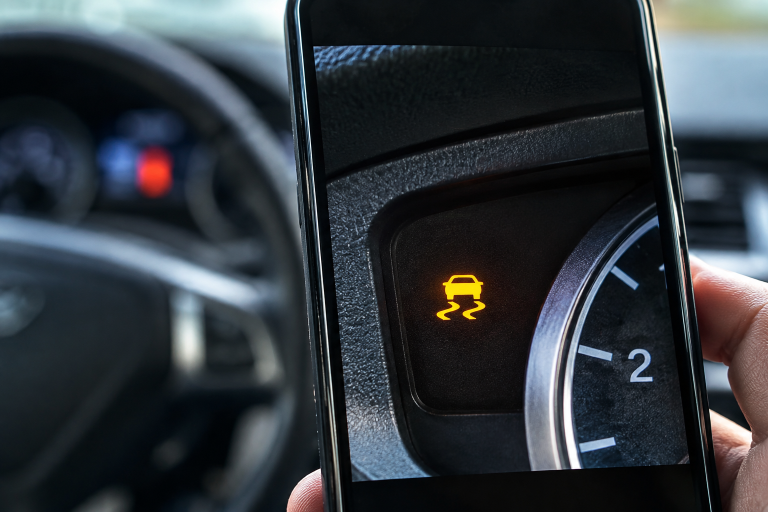
- Dashboard lights, chimes, or exact warning messages
- Unusual sounds, odors, vibrations, leaks, or changes in steering and handling
- What happened immediately before and after the symptom
- Whether the SUV became difficult or unsafe to drive
Specific descriptions are generally more useful than broad labels. For example, “the SUV shuddered for several seconds while accelerating from a stop after idling at a traffic light” gives a technician more to work with than “transmission problem.”
Use Photos and Videos When It Is Safe
Short recordings can preserve a warning message, unusual screen behavior, visible fluid leak, exhaust smoke, or intermittent sound that disappears before the vehicle reaches the repair facility. Record only when the vehicle is parked or when a passenger can safely handle the phone.
Keep original files when possible, because they usually retain date information. Back up important photos and videos in a secure cloud folder or another location outside the phone. Label files by date and mileage so they are easy to match to repair records later.
Keep Every Repair and Service Document
Create one paper folder or digital folder for the SUV. Save repair orders, invoices, warranty claims, towing receipts, rental records, parts receipts, appointment confirmations, emails, texts, and written communications from service personnel.
The final repair order deserves special attention. Before leaving, review whether it identifies the concern you reported, states whether the technician duplicated it, lists diagnostic findings, identifies parts or software updates involved, and explains the result of any road test. If the wording does not reflect the issue you described, politely ask whether it can be clarified.
Ask for Clear Details at Each Repair Visit
Direct questions can lead to a more complete explanation of the work performed. Consider asking:
- What did the technician inspect?
- Was the reported condition duplicated?
- Were any diagnostic trouble codes found?
- What parts were tested, adjusted, or replaced?
- Was a software update installed?
- Was the SUV road-tested afterward?
- What should happen if the problem returns?
Know the Difference Between a Recall and a Warranty Repair
A safety recall involves a vehicle or equipment issue that the manufacturer or federal safety agency identifies as creating an unreasonable safety risk or failing to meet a safety standard. A warranty repair concerns coverage under the written warranty terms. A technical service bulletin can provide diagnostic or repair guidance to technicians, but it is not necessarily a recall.
A vehicle may still have a real mechanical, electrical, or software problem even when no recall is listed. Owners can use the federal VIN recall search to check for unrepaired recalls and review broader information about complaints, investigations, and manufacturer communications.
Watch for Patterns Across Multiple Visits
Individual appointments can make a repeating issue seem isolated. A one-page timeline can reveal the larger pattern. List the date, mileage, symptom, repair attempt, number of days out of service, and result for every visit.
- Count how often the same concern was reported.
- Note whether the same part was replaced more than once.
- Record when a problem returned after a software update or repair.
- Keep track of visits where the concern could not be duplicated.
- Identify whether the symptom occurs under similar speeds, temperatures, or driving conditions.
Decide When Driving May Be Unsafe
Do not continue driving simply to gather more evidence when the SUV shows signs of a serious safety issue. Pull over safely and seek qualified assistance if there is reduced braking power, steering difficulty, overheating, smoke, a strong fuel smell, repeated stalling in traffic, sudden loss of power, unintended acceleration or braking, or warnings involving airbags or other restraint systems.
Common Questions About Vehicle Problem Records
How Many Repair Visits Are Too Many?
There is no single answer. The severity of the issue, the number of repair attempts, the time out of service, warranty coverage, and the effect on safe operation all matter. The important step is preserving an accurate timeline from the beginning.
What if the Dealer Cannot Reproduce the Problem?
Bring the problem log, videos, photos, dashboard messages, and a concise explanation of the conditions that triggered the symptom. Ask that the reported concern be included on the repair order, even if it did not occur during the inspection.
Should an Owner Report a Safety Problem?
A report may be appropriate when a suspected defect involves braking, steering, fire risk, visibility, acceleration, restraint systems, or another feature connected to safe vehicle operation.
A Five-Minute Weekly Record Check
- Review new warnings, noises, and changes in how the SUV drives.
- Save recent photos, videos, messages, and appointment notices.
- Update the date and mileage in the problem log.
- Check for recall updates and upcoming repair appointments.
- Add every new document to the same paper or digital folder.
Conclusion
Recurring SUV problems are easier to address when the facts are organized. A clear record can show what happened, when it happened, which repairs were attempted, and whether the condition returned. Document symptoms without compromising safety, retain every repair record, and seek prompt professional help when a problem may affect safe driving.
- How to Document Recurring SUV Problems and Build a Clear Repair History
- How to Create a Printed Guide People Will Actually Use
- What No One Tells You About Facing Criminal Charges
- Best Canadian Payroll Software And Services For Small Businesses With 1 To 49 Employees
- Mental Health Check-Ins for Omaha, Nebraska Families: Simple Support for School, Work, and Stress

Key Takeaways A recurring SUV problem should be documented from [...]

A printed guide succeeds when it helps someone complete a [...]

Key Takeaways An arrest or citation is an allegation, not [...]

When you ask, "What is the best payroll provider for [...]
Key Takeaways Brief, regular check-ins can help families notice stress [...]

Spine care does not have to mean following a complicated [...]

Key Takeaways Liberty Bail Bonds has operated in Pennsylvania since [...]

Key Takeaways Nova Orthodontics offers Invisalign treatment for children, teens, [...]