
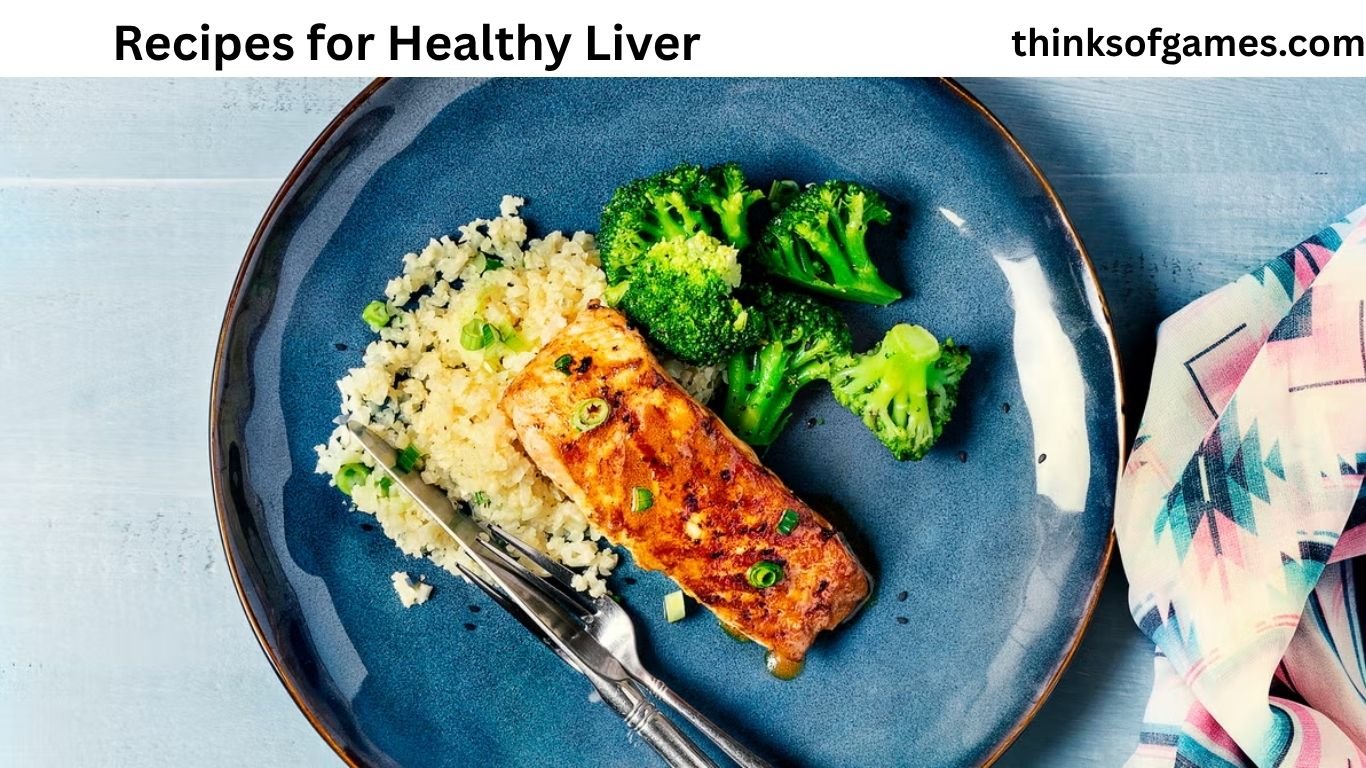
The liver is one of the hardest-working organs in the human body. It helps process nutrients, supports digestion, stores energy, breaks down substances the body does not need, and plays an important role in normal metabolism. Because the liver performs so many jobs, the foods you eat regularly can make a meaningful difference to your overall health.
The good news is that eating for liver health does not require an extreme diet or a long list of expensive ingredients. Many of the best recipes for healthy liver are simple meals made with vegetables, fruits, whole grains, beans, fish, lean proteins, nuts, seeds, and healthy fats.
A liver-friendly eating pattern is less about finding one magical food and more about building healthy habits over time. Choosing more minimally processed foods while limiting excess added sugar, highly processed foods, saturated fat, and alcohol can help support a healthier lifestyle.
This guide explains how to create healthy meals for your liver and provides practical recipes that can fit into everyday American life. The goal is not a temporary diet. It is a realistic way of eating that you can continue for months and years.
What Does a Liver-Healthy Diet Mean?
A liver-healthy diet is an eating pattern that emphasizes nutrient-rich foods while reducing foods that can contribute to excess calorie intake, poor metabolic health, and unwanted fat accumulation in the liver.
There is no single food that can “clean” or “detox” the liver. Your liver already has natural systems for processing substances in your body. Instead of relying on detox drinks, special cleanses, or restrictive diets, it is usually more useful to focus on the overall quality of your diet.
Healthy recipes for liver health often contain several important elements:
- Plenty of vegetables
- Whole fruits
- Whole grains
- Beans and lentils
- Fish and other lean proteins
- Nuts and seeds
- Unsaturated fats
- Reasonable portions
- Limited added sugar
- Limited highly processed foods
- Little or no alcohol
The Mediterranean-style eating pattern is often a useful model because it naturally includes many of these foods.
The most important point is consistency. One healthy dinner cannot compensate for an otherwise poor diet, just as one less-healthy meal does not ruin an otherwise balanced eating pattern.
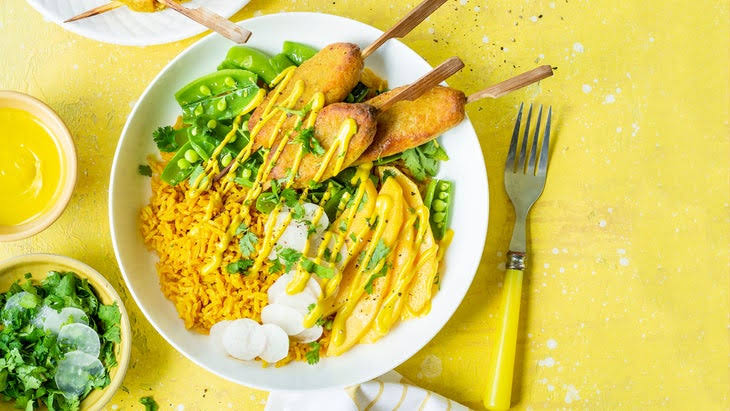
Why Food Matters for Liver Health
The liver works closely with the digestive system, blood sugar regulation, fat metabolism, and overall energy balance. Your daily food choices can influence these systems.
For example, regularly eating more calories than your body needs can contribute to weight gain. Excess body weight, especially around the abdomen, can be associated with metabolic problems and fat accumulation in the liver.
On the other hand, meals built around vegetables, fiber-rich carbohydrates, lean protein, and unsaturated fats can make it easier to maintain a balanced diet and healthy body weight.
This is one reason recipes for healthy liver should focus on complete meals instead of isolated “superfoods.”
A bowl containing vegetables, beans, whole grains, and a source of healthy fat is generally more useful than adding one special ingredient to an otherwise highly processed meal.
Best Foods to Include in Recipes for Healthy Liver
Before getting into the recipes, it helps to understand the basic ingredients that can make everyday meals more nutritious.
Leafy Green Vegetables
Spinach, kale, collard greens, romaine lettuce, Swiss chard, and other leafy greens provide fiber, vitamins, minerals, and plant compounds.
They are easy to add to salads, soups, wraps, omelets, grain bowls, and smoothies.
Instead of thinking of greens as a side dish that you have to force yourself to eat, try making them part of the main meal.
Cruciferous Vegetables
Broccoli, cauliflower, Brussels sprouts, cabbage, and similar vegetables are excellent additions to a balanced diet.
Roasting them with olive oil and herbs is one of the easiest ways to turn them into a flavorful side dish.
You can also add them to stir-fries, soups, grain bowls, and pasta dishes.
Berries and Other Whole Fruits
Blueberries, strawberries, raspberries, blackberries, oranges, apples, pears, and other whole fruits can provide fiber and important nutrients.
Whole fruit is generally a better everyday choice than fruit juice because the whole fruit contains fiber and requires more time to eat.
A simple breakfast of plain Greek yogurt, berries, and oats can be a convenient example of healthy recipes for liver health.
Whole Grains
Oatmeal, brown rice, quinoa, barley, whole-grain bread, and whole-wheat pasta can provide fiber and other nutrients.
Replacing refined grains with whole grains is one simple way to improve the nutritional quality of many meals.
You do not have to eliminate carbohydrates to eat for liver health. The better approach is usually to choose higher-quality carbohydrate sources and keep portions reasonable.
Beans and Lentils
Black beans, kidney beans, chickpeas, lentils, and other legumes are affordable, versatile, and rich in fiber and plant-based protein.
They work well in soups, salads, tacos, chili, grain bowls, and vegetarian burgers.
They can also help make meals filling without requiring large amounts of meat.
Fatty Fish
Salmon, sardines, trout, and other fish provide protein and beneficial fats.
Including fish as part of a balanced diet can be a useful alternative to frequently eating processed or high-fat meats.
Try baked salmon with roasted vegetables or a simple salmon grain bowl for an easy weeknight meal.
Nuts and Seeds
Walnuts, almonds, pistachios, chia seeds, flaxseeds, and pumpkin seeds can add texture and nutrients to meals.
Because nuts and seeds are energy-dense, portions matter. A small handful can be enough to add flavor and nutritional value.
Extra-Virgin Olive Oil
Olive oil is rich in unsaturated fat and can be used in salad dressings, roasted vegetables, grain bowls, and many other dishes.
It can replace butter or other fats in some recipes without making food bland.
Foods to Limit for Better Liver Health
Knowing what to reduce can be just as useful as knowing what to eat.
Sugary Drinks
Regular soda, sweetened iced tea, energy drinks, and other sugar-sweetened beverages can add substantial amounts of sugar without making you feel very full.
Water, sparkling water without added sugar, or unsweetened beverages can be easier everyday choices.
Excess Added Sugar
Desserts, candy, pastries, sweetened cereals, and many packaged snacks can contain large amounts of added sugar.
You do not necessarily need to eliminate all sweets. Instead, make them occasional foods rather than the foundation of your diet.
Highly Processed Foods
Many highly processed foods are high in sodium, added sugar, refined carbohydrates, or saturated fat.
Examples can include some packaged snacks, fast foods, processed meats, and heavily sweetened convenience foods.
A convenient meal is not automatically unhealthy, but checking the nutrition label can help you make better choices.
Processed Meats
Bacon, sausage, hot dogs, and other processed meats can be high in sodium and saturated fat.
Try replacing some of these foods with fish, beans, lentils, chicken, turkey, or other less-processed protein sources.
Excess Alcohol
Alcohol can be harmful to the liver, particularly when consumed in excess. People with certain liver conditions may be advised to avoid alcohol completely.
If you have liver disease or have been told that your liver enzymes are elevated, talk with your healthcare professional about whether alcohol is appropriate for you.
15 Easy Recipes for Healthy Liver
The following recipes are designed around simple ingredients and balanced portions. They are not medical treatments, but they can fit into a generally liver-friendly eating pattern.
1. Berry and Oatmeal Breakfast Bowl
This breakfast is quick, filling, and easy to customize.
Ingredients
- 1/2 cup old-fashioned oats
- 1 cup water or unsweetened milk
- 1/2 cup blueberries
- 1/2 cup strawberries
- 1 tablespoon chia seeds
- 1 tablespoon chopped walnuts
- Cinnamon to taste
Instructions
Cook the oats according to the package directions. Transfer them to a bowl and add the berries, chia seeds, walnuts, and cinnamon.
If you prefer more protein, add plain Greek yogurt after the oatmeal has cooled slightly.
This meal combines whole grains, fruit, seeds, nuts, and optional protein without requiring much preparation.
2. Baked Salmon With Broccoli
Salmon and broccoli make a simple dinner that can be prepared on one baking sheet.
Ingredients
- 4 salmon fillets
- 3 cups broccoli florets
- 1 tablespoon olive oil
- 1 lemon
- 2 cloves minced garlic
- Black pepper
- Dried herbs of your choice
Instructions
Heat the oven to 400°F. Place the salmon and broccoli on a baking sheet.
Drizzle with olive oil and add garlic, herbs, and black pepper. Bake until the salmon is cooked through and flakes easily.
Serve with lemon juice and a side of brown rice or quinoa.
This is one of the easiest recipes for healthy liver because it combines protein, vegetables, whole grains, and unsaturated fat in one meal.
3. Lentil and Vegetable Soup
Lentil soup is affordable, filling, and easy to prepare in a large batch.
Ingredients
- 1 cup dry lentils
- 2 carrots, chopped
- 2 celery stalks, chopped
- 1 onion, chopped
- 2 cups chopped tomatoes
- 4 cups low-sodium vegetable broth
- 2 cups water
- 2 cups spinach
- Garlic
- Black pepper
- Italian herbs
Instructions
Add the lentils, carrots, celery, onion, tomatoes, broth, water, garlic, and herbs to a large pot.
Bring the mixture to a boil and then reduce the heat. Simmer until the lentils and vegetables are tender.
Add spinach during the final few minutes of cooking.
This soup can be stored in the refrigerator and reheated for quick lunches during the week.
4. Mediterranean Chickpea Salad
This colorful salad requires very little cooking.
Ingredients
- 1 can low-sodium chickpeas, rinsed
- 1 cucumber
- 1 tomato
- 1/2 bell pepper
- A handful of parsley
- 1 tablespoon olive oil
- Fresh lemon juice
- Black pepper
Instructions
Chop the vegetables and parsley. Add them to a bowl with the chickpeas.
Mix with olive oil, lemon juice, and black pepper.
For a complete meal, add grilled chicken, tuna, or a small serving of whole-grain pita.
5. Chicken and Vegetable Quinoa Bowl
A grain bowl is an excellent way to use leftovers.
Ingredients
- 1 cup cooked quinoa
- 3 ounces cooked chicken breast
- 1 cup roasted vegetables
- 1/4 avocado
- Fresh greens
- Lemon juice
- Small amount of olive oil
Instructions
Place quinoa in a bowl. Add chicken, vegetables, greens, and avocado.
Finish with lemon juice and a small amount of olive oil.
You can change the vegetables based on what you have available.
6. Vegetable and Bean Chili
Chili can be a healthy meal when it is built around beans and vegetables instead of large amounts of fatty meat.
Ingredients
- 1 can black beans
- 1 can kidney beans
- 1 can diced tomatoes
- 1 bell pepper
- 1 onion
- 1 cup corn
- Chili powder
- Cumin
- Garlic
- Black pepper
Instructions
Sauté the onion and bell pepper in a small amount of olive oil.
Add the beans, tomatoes, corn, garlic, and spices. Simmer for about 20 to 30 minutes.
Serve with a small amount of brown rice or a spoonful of plain Greek yogurt.
7. Spinach and Vegetable Omelet
Eggs can be part of a balanced diet and make a quick breakfast or lunch.
Ingredients
- 2 eggs
- 1 cup fresh spinach
- 1/2 tomato
- 1/4 bell pepper
- 1 tablespoon chopped onion
- Black pepper
- Small amount of olive oil
Instructions
Whisk the eggs. Cook the vegetables in a nonstick pan with a small amount of olive oil.
Add the eggs and cook until set.
Serve with whole-grain toast and a piece of whole fruit.
8. Greek Yogurt Berry Snack Bowl
This is useful when you need something fast.
Ingredients
- 3/4 cup plain Greek yogurt
- 1/2 cup berries
- 1 tablespoon ground flaxseed
- 1 tablespoon chopped walnuts
- Cinnamon
Instructions
Place everything in a bowl and mix.
Choose plain yogurt instead of heavily sweetened flavored yogurt when possible. If you need additional sweetness, a small amount of fruit can provide natural sweetness.
9. Turkey and Avocado Whole-Grain Wrap
A wrap can be a nutritious lunch when you choose the ingredients carefully.
Ingredients
- 1 whole-grain tortilla
- 3 ounces sliced roasted turkey
- Fresh lettuce
- Tomato
- Cucumber
- 1/4 avocado
- Mustard without excessive added sugar or sodium
Instructions
Place the ingredients inside the tortilla and roll tightly.
Add a side of fruit or raw vegetables instead of chips for a more balanced meal.
10. Garlic Shrimp and Vegetable Stir-Fry
This meal cooks quickly and works well on busy evenings.
Ingredients
- 4 ounces shrimp
- 2 cups mixed vegetables
- 1 teaspoon olive oil
- Garlic
- Ginger
- Low-sodium soy sauce
- Brown rice
Instructions
Heat olive oil in a large pan. Add garlic and ginger.
Add shrimp and cook until done. Add the vegetables and cook until tender but still slightly crisp.
Use a small amount of low-sodium soy sauce for flavor.
Serve over brown rice.
11. Roasted Vegetable and Quinoa Salad
This recipe works as either a main meal or side dish.
Ingredients
- 1 cup cooked quinoa
- 1 zucchini
- 1 bell pepper
- 1 cup broccoli
- 1/2 red onion
- Olive oil
- Lemon juice
- Parsley
Instructions
Chop the vegetables and roast them until tender.
Mix the roasted vegetables with cooked quinoa, parsley, lemon juice, and a small amount of olive oil.
Serve warm or chilled.
12. Apple and Walnut Oatmeal
A warm breakfast can be especially satisfying during colder months.
Ingredients
- 1/2 cup oats
- 1 small apple
- 1 tablespoon walnuts
- Cinnamon
- Unsweetened milk or water
Instructions
Cook the oats with water or unsweetened milk.
Chop the apple and add it near the end of cooking so it becomes slightly soft.
Top with walnuts and cinnamon.
There is usually no need for large amounts of sugar because the apple provides natural sweetness.
13. Black Bean and Avocado Tacos
Tacos can absolutely fit into a healthy eating pattern.
Ingredients
- Whole-grain or corn tortillas
- Black beans
- Avocado
- Shredded cabbage
- Tomato
- Cilantro
- Lime juice
- Plain Greek yogurt
Instructions
Warm the tortillas and fill them with black beans, cabbage, tomato, avocado, and cilantro.
Add lime juice and a small spoonful of plain Greek yogurt.
For additional protein, add grilled chicken or fish.
14. Mediterranean Baked Chicken
This recipe is simple enough for a weeknight dinner.
Ingredients
- Chicken breasts
- Cherry tomatoes
- Zucchini
- Bell peppers
- Garlic
- Olive oil
- Lemon
- Oregano
- Black pepper
Instructions
Place the chicken and vegetables in a baking dish.
Add a small amount of olive oil, garlic, oregano, lemon juice, and black pepper.
Bake until the chicken reaches a safe internal temperature and the vegetables are tender.
Serve with quinoa or brown rice.
15. Simple Vegetable and Bean Grain Bowl
When you do not know what to cook, use the “grain, protein, vegetable, healthy fat” formula.
Ingredients
- Brown rice or quinoa
- Chickpeas or black beans
- Roasted vegetables
- Fresh greens
- Avocado
- Lemon juice
Instructions
Start with a base of whole grains.
Add beans, vegetables, greens, and a small portion of avocado.
Finish with lemon juice and herbs.
This flexible formula makes it easy to create healthy recipes for liver health without following a complicated recipe every day.
How to Build a Liver-Friendly Plate
You do not need to follow a special recipe at every meal.
A simple plate method can make everyday eating easier.
Try filling about half of your plate with non-starchy vegetables. Add a reasonable portion of protein and a serving of whole grains or another high-fiber carbohydrate.
A small amount of healthy fat can complete the meal.
For example, dinner could include roasted broccoli, grilled salmon, brown rice, and a little olive oil.
Another dinner could include a bean and vegetable chili with a small serving of avocado and whole-grain bread.
This approach gives you flexibility while maintaining a nutritious pattern.
Healthy Breakfast Ideas for Liver Health
Breakfast does not need to be complicated.
Good choices include oatmeal with berries and walnuts, eggs with spinach and whole-grain toast, plain Greek yogurt with fruit and seeds, or a vegetable and bean breakfast bowl.
If you normally eat pastries, sugary cereal, or sweetened breakfast sandwiches, changing just one part of your breakfast can be a useful first step.
For example, replace sugary cereal with oatmeal several days a week.
Small changes can be easier to maintain than trying to completely redesign your diet overnight.
Healthy Lunch Ideas for Liver Health
Lunch is often where convenience foods become a problem.
Instead of relying on fast food every day, prepare simple meals in advance.
A lentil soup, chickpea salad, chicken quinoa bowl, bean wrap, or leftover baked salmon can make a nutritious lunch.
If you eat at a restaurant, look for grilled, baked, roasted, or steamed foods. Add vegetables when possible and be mindful of creamy sauces, oversized portions, and sugary beverages.
Healthy Dinner Ideas for Liver Health
Dinner can follow the same simple formula.
Choose one protein source, several vegetables, and one high-fiber carbohydrate.
Examples include:
- Salmon with broccoli and quinoa
- Chicken with roasted vegetables and brown rice
- Lentil soup with a side salad
- Bean tacos with cabbage and avocado
- Baked fish with sweet potato and green beans
- Chickpea curry with vegetables and brown rice
Variety matters because different foods provide different nutrients.
Healthy Snacks That Fit a Liver-Friendly Diet
Snacks can be useful when you are genuinely hungry between meals.
Consider:
- An apple with a small amount of nut butter
- Plain Greek yogurt with berries
- A small handful of unsalted nuts
- Carrots with hummus
- Fresh fruit
- Air-popped popcorn without excessive butter
- Cucumber and tomato slices
- A small serving of roasted chickpeas
The goal is not to avoid snacking completely. It is to make your usual snack choices more nutritious.
Are Smoothies Good for Liver Health?
Smoothies can be nutritious, but ingredients matter.
A smoothie made primarily from whole fruit, vegetables, plain Greek yogurt, and unsweetened milk can be very different from a large smoothie containing fruit juice, sweetened yogurt, syrups, and added sugar.
A simple option is spinach, berries, plain Greek yogurt, chia seeds, and unsweetened milk.
Using whole fruit instead of fruit juice can also help keep the meal more balanced.
Is Coffee Helpful for Liver Health?
Coffee is associated with several potential health benefits, including benefits related to liver health in research. However, the way you drink coffee matters.
Adding large amounts of sugar, flavored syrups, and high-calorie creamers can turn a relatively simple beverage into a dessert-like drink.
If you enjoy coffee, consider drinking it with little or no added sugar, depending on your personal preferences and health needs.
People who are sensitive to caffeine or have been advised to limit it should follow their healthcare professional’s advice.
Can Weight Loss Improve Liver Health?
For people who are overweight and have certain forms of fatty liver disease, gradual weight loss can improve liver-related health.
The key word is gradual.
Extreme crash diets are difficult to maintain and are not necessary for most people. A sustainable eating pattern, regular physical activity, adequate sleep, and appropriate medical care are generally more useful long-term strategies.
Even before major weight loss occurs, improving the quality of your diet can be a positive step.
If you have been diagnosed with liver disease, your healthcare professional or registered dietitian can help determine an appropriate weight-management plan.
Meal Prep Ideas for Healthy Liver Recipes
Meal preparation can make healthy eating much easier.
You do not need to prepare every meal for the entire week.
Instead, cook a few basic ingredients in advance.
For example, prepare a batch of brown rice or quinoa, roast several types of vegetables, cook chicken or salmon, and keep washed fruit available.
You can then combine these ingredients differently throughout the week.
Monday might be a chicken grain bowl.
Tuesday could be salmon with roasted vegetables.
Wednesday could use the leftover vegetables in a bean wrap.
This approach saves time while preventing the common problem of reaching for fast food because there is nothing ready to eat.
How to Make Healthy Liver Recipes Taste Better
Healthy food does not need to be boring.
Use herbs and spices to create flavor without depending heavily on salt, butter, or sugary sauces.
Useful ingredients include garlic, ginger, lemon, lime, basil, parsley, cilantro, rosemary, oregano, cumin, paprika, turmeric, black pepper, and chili powder.
Acidic ingredients such as lemon juice and vinegar can also make vegetables and grains taste brighter.
Roasting vegetables can bring out natural sweetness and create a deeper flavor.
The biggest improvement often comes from learning how to season food properly rather than adding more fat or sugar.
A Simple 7-Day Liver-Friendly Meal Plan
Day 1
Breakfast: Oatmeal with blueberries, chia seeds, and walnuts.
Lunch: Chickpea and cucumber salad with whole-grain pita.
Dinner: Baked salmon, broccoli, and quinoa.
Snack: Apple with a small amount of nut butter.
Day 2
Breakfast: Spinach and vegetable omelet with whole-grain toast.
Lunch: Lentil vegetable soup.
Dinner: Chicken with roasted vegetables and brown rice.
Snack: Plain Greek yogurt with strawberries.
Day 3
Breakfast: Greek yogurt with berries, oats, and flaxseed.
Lunch: Turkey and avocado whole-grain wrap.
Dinner: Black bean tacos with cabbage and tomato.
Snack: A small handful of unsalted walnuts.
Day 4
Breakfast: Apple cinnamon oatmeal.
Lunch: Leftover chicken quinoa bowl.
Dinner: Garlic shrimp stir-fry with brown rice.
Snack: Carrots with hummus.
Day 5
Breakfast: Vegetable omelet and fruit.
Lunch: Lentil soup and a side salad.
Dinner: Mediterranean baked chicken with vegetables and quinoa.
Snack: Plain yogurt with berries.
Day 6
Breakfast: Oatmeal with banana and walnuts.
Lunch: Black bean and avocado bowl.
Dinner: Baked fish with sweet potato and green vegetables.
Snack: Fresh fruit.
Day 7
Breakfast: Greek yogurt, berries, chia seeds, and oats.
Lunch: Mediterranean chickpea salad.
Dinner: Vegetable and bean chili with brown rice.
Snack: Air-popped popcorn or fruit.
This is only an example. Your nutritional needs may be different depending on your age, activity level, medical conditions, medications, and other factors.
Common Mistakes People Make When Eating for Liver Health
One common mistake is looking for one food that will fix everything.
There is no single ingredient that can replace a balanced diet.
Another mistake is buying expensive “liver detox” products.
The liver does not need a special juice or supplement to perform its normal functions. Some supplements can also interact with medications or cause other problems.
A third mistake is becoming overly restrictive.
You do not need to fear every carbohydrate or remove every food you enjoy. Sustainable nutrition is usually about balance, portions, quality, and consistency.
A fourth mistake is ignoring beverages.
A person may eat a healthy dinner but drink several sugary beverages every day. Liquid calories can add up quickly.
Finally, some people focus only on food and forget about physical activity, sleep, stress management, and regular medical care.
Liver health is influenced by the bigger picture.
Can You Eat Eggs on a Liver-Friendly Diet?
For many people, eggs can fit into a balanced eating pattern.
Instead of focusing on whether one food is “good” or “bad,” look at the entire meal.
An omelet with spinach, tomatoes, mushrooms, and whole-grain toast is very different from a breakfast built around processed meat, refined bread, and sugary drinks.
Your individual needs may differ, particularly if you have been given specific dietary instructions for a medical condition.
Can You Eat Chicken?
Chicken can be a convenient source of protein.
Choose grilled, baked, roasted, or air-fried chicken more often than heavily breaded or deep-fried versions.
Remove excess skin when appropriate and pair chicken with vegetables and a high-fiber carbohydrate.
A simple baked chicken breast with broccoli and brown rice is an example of a balanced meal.
Are Plant-Based Meals Good for Liver Health?
Plant-based meals can be excellent choices when they are built around whole or minimally processed foods.
Beans, lentils, vegetables, fruits, whole grains, nuts, and seeds can form the foundation of many nutritious meals.
However, “plant-based” does not automatically mean healthy. Some highly processed plant-based foods can still be high in sodium, added sugar, or saturated fat.
Focus on the overall quality of the food.
What About Red Meat?
Red meat does not necessarily need to disappear from everyone’s diet, but eating large amounts of processed or fatty meats is generally not the best approach to a healthy eating pattern.
Consider having fish, beans, lentils, poultry, or other protein sources more often.
When you do eat red meat, choosing leaner cuts and keeping portions reasonable can help create a more balanced meal.
What About Dairy Products?
Low-fat or reduced-fat dairy products can fit into many healthy eating patterns.
Plain Greek yogurt is particularly useful because it can provide protein and work well with fruit, oats, and seeds.
Cheese can also be included, but portions matter because some varieties are relatively high in saturated fat and sodium.
People with lactose intolerance or dairy allergies can choose suitable alternatives.
Can Liver-Friendly Food Prevent Liver Disease?
A healthy diet can support overall metabolic and liver health, but food alone cannot guarantee that someone will never develop liver disease.
Liver problems can have many causes, including metabolic conditions, alcohol use, viral infections, inherited conditions, medications, and other factors.
That is why persistent abnormal liver tests, unexplained symptoms, or a diagnosis of liver disease should be discussed with a qualified healthcare professional.
Nutrition is an important part of the picture, but it is not a substitute for diagnosis or medical treatment.
When to Talk With a Healthcare Professional
If you have been diagnosed with fatty liver disease, cirrhosis, hepatitis, or another liver condition, do not assume that a general internet diet is appropriate for you.
Advanced liver disease can require specific dietary adjustments.
You should also speak with a healthcare professional if you have unexplained yellowing of the skin or eyes, persistent abdominal swelling, severe or ongoing abdominal pain, unusual bleeding, confusion, or other concerning symptoms.
A registered dietitian can also help create a meal plan that fits your medical needs, food preferences, budget, and lifestyle.
How to Shop for Liver-Friendly Ingredients
A healthy diet starts at the grocery store.
Spend more time around the produce section and choose a variety of colors.
Keep basic staples available, such as:
- Oats
- Brown rice
- Quinoa
- Beans
- Lentils
- Frozen vegetables
- Fresh vegetables
- Frozen berries
- Apples
- Plain Greek yogurt
- Eggs
- Chicken
- Fish
- Unsalted nuts
- Seeds
- Olive oil
Frozen fruits and vegetables can be excellent choices because they are convenient and can reduce food waste.
Canned beans are also useful. Rinse them before eating to reduce some of the added sodium.
How to Read Food Labels
Food labels can help you compare products.
Pay attention to serving size, added sugars, saturated fat, sodium, and fiber.
A product may appear healthy because of words such as “natural” or “multigrain,” but these words alone do not tell you the full nutritional story.
Look at the Nutrition Facts label and ingredient list instead.
If a packaged food is extremely high in added sugar, sodium, or saturated fat, consider choosing another option.
The Best Long-Term Approach to Liver-Friendly Eating
The most effective diet is usually the one you can actually maintain.
You do not have to eat perfectly.
Think about making your normal meals slightly better.
Add vegetables to dinner.
Choose whole grains more often.
Drink water instead of sugary beverages.
Eat beans a few times each week.
Choose fish more often.
Use olive oil instead of large amounts of butter.
Keep desserts occasional.
Prepare food at home when practical.
These changes may appear small, but they can create a meaningful difference when repeated consistently.
Final Thoughts
The best recipes for healthy liver are not complicated or based on a miracle ingredient. They are balanced meals made with vegetables, fruits, whole grains, beans, fish, lean proteins, nuts, seeds, and healthy fats. At the same time, it is helpful to limit excess added sugar, highly processed foods, processed meats, excessive saturated fat, sugary beverages, and alcohol. The most useful approach is to build a pattern of eating that feels realistic for your everyday life. If you have a liver condition or abnormal liver tests, combine healthy food choices with appropriate medical care rather than trying to treat the condition with diet alone.
Frequently Asked Questions About Recipes for Healthy Liver
1. What is the best cooking method for liver-friendly meals?
Baking, roasting, steaming, grilling, poaching, and sautéing with a modest amount of healthy oil are practical choices. Deep-frying is better kept as an occasional choice because it can substantially increase calories and fat.
2. Is brown rice better than white rice for liver health?
Brown rice generally contains more fiber than white rice because it retains more of the grain. However, portion size and the overall meal matter too. White rice can still fit into a balanced diet, particularly when paired with vegetables, beans, fish, or another nutritious protein.
3. Can I eat dessert while following a liver-friendly diet?
You generally do not need to completely eliminate dessert unless your healthcare professional has given you a specific restriction. The key is frequency and portion size. Fruit, plain yogurt with berries, or a small portion of a favorite dessert can be reasonable options depending on your individual diet.
4. Is lemon water a liver detox?
Lemon water can be a refreshing way to drink more water, but it should not be considered a liver detox treatment. Your liver has its own natural processes for handling substances in the body. The bigger priority is a balanced diet, appropriate physical activity, healthy weight management when needed, and avoiding excessive alcohol.
5. Can children eat these liver-friendly recipes?
Many of the meals in this article can be adapted for children, but children have different energy and nutrient requirements than adults. Avoid putting a child on a restrictive diet unless it has been recommended by a pediatric healthcare professional or registered dietitian.

Key Takeaways Put safety and medical care ahead of evidence [...]

Key Takeaways Living alone can be safe when daily routines, [...]
Atlanta patients often receive care from large hospital systems, neighborhood [...]
Diagnostic Precision and Risk Stratification in Modern Urology The foundation [...]

Key Takeaways A recurring SUV problem should be documented from [...]

A printed guide succeeds when it helps someone complete a [...]

Key Takeaways An arrest or citation is an allegation, not [...]

When you ask, "What is the best payroll provider for [...]