
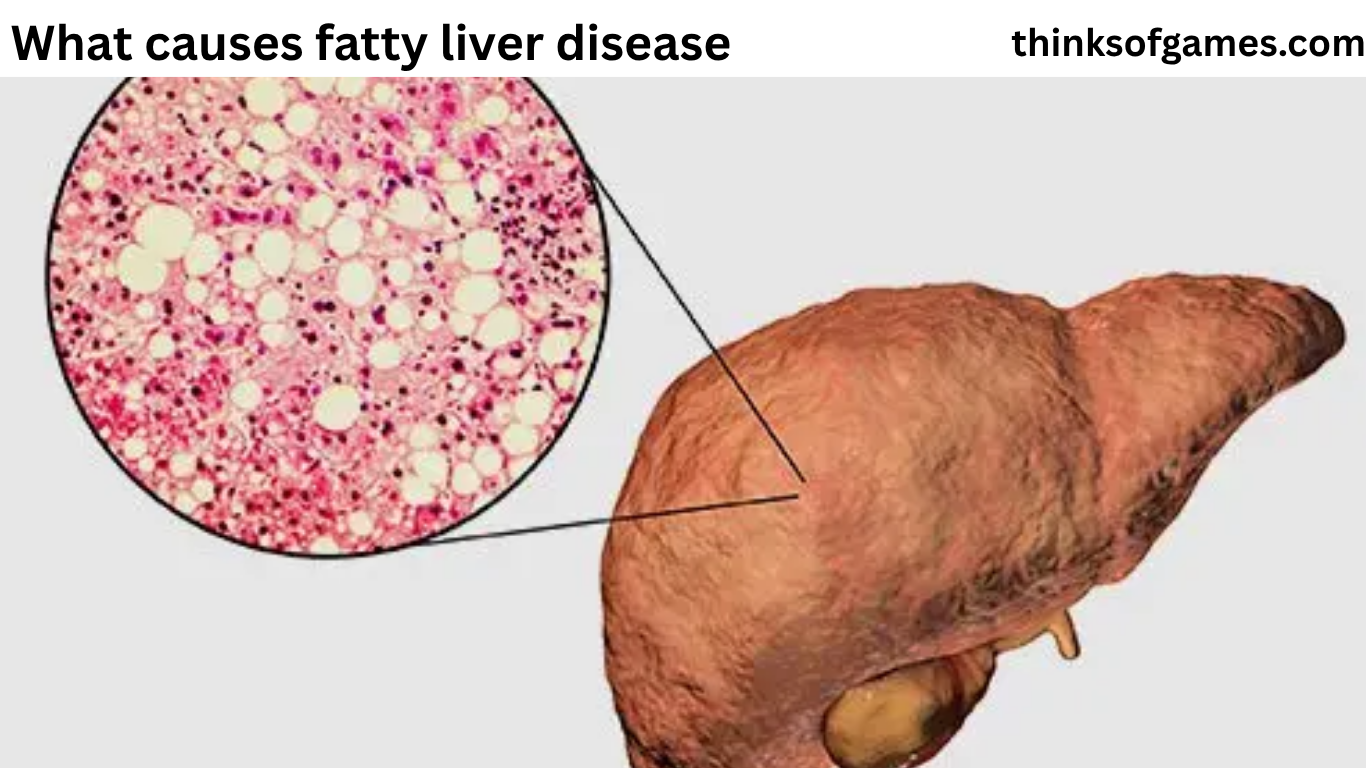
Fatty liver disease is a common liver condition in the United States, and it can happen for many different reasons. The simplest explanation is that too much fat builds up inside liver cells. But that description does not tell the whole story. Understanding what causes fatty liver disease requires looking at body weight, insulin resistance, diet, alcohol use, medications, genetics, metabolic health, and certain medical conditions.
Fat in the liver is not always a sign of permanent liver damage. In some people, it causes little or no inflammation. In others, the buildup of fat is linked with liver inflammation and damage that can eventually lead to scarring, cirrhosis, liver failure, or liver cancer.
Today, doctors commonly use the term metabolic dysfunction-associated steatotic liver disease, or MASLD, for fatty liver disease associated with metabolic risk factors and little or no alcohol use. The older term nonalcoholic fatty liver disease, or NAFLD, is still widely recognized and may appear in older medical information. Another form, alcohol-associated liver disease, occurs when alcohol contributes to liver injury.
The good news is that many of the major risk factors can be addressed. Learning what causes fatty liver disease can help you recognize risks earlier and make practical changes before liver damage becomes more serious.
What Is Fatty Liver Disease?
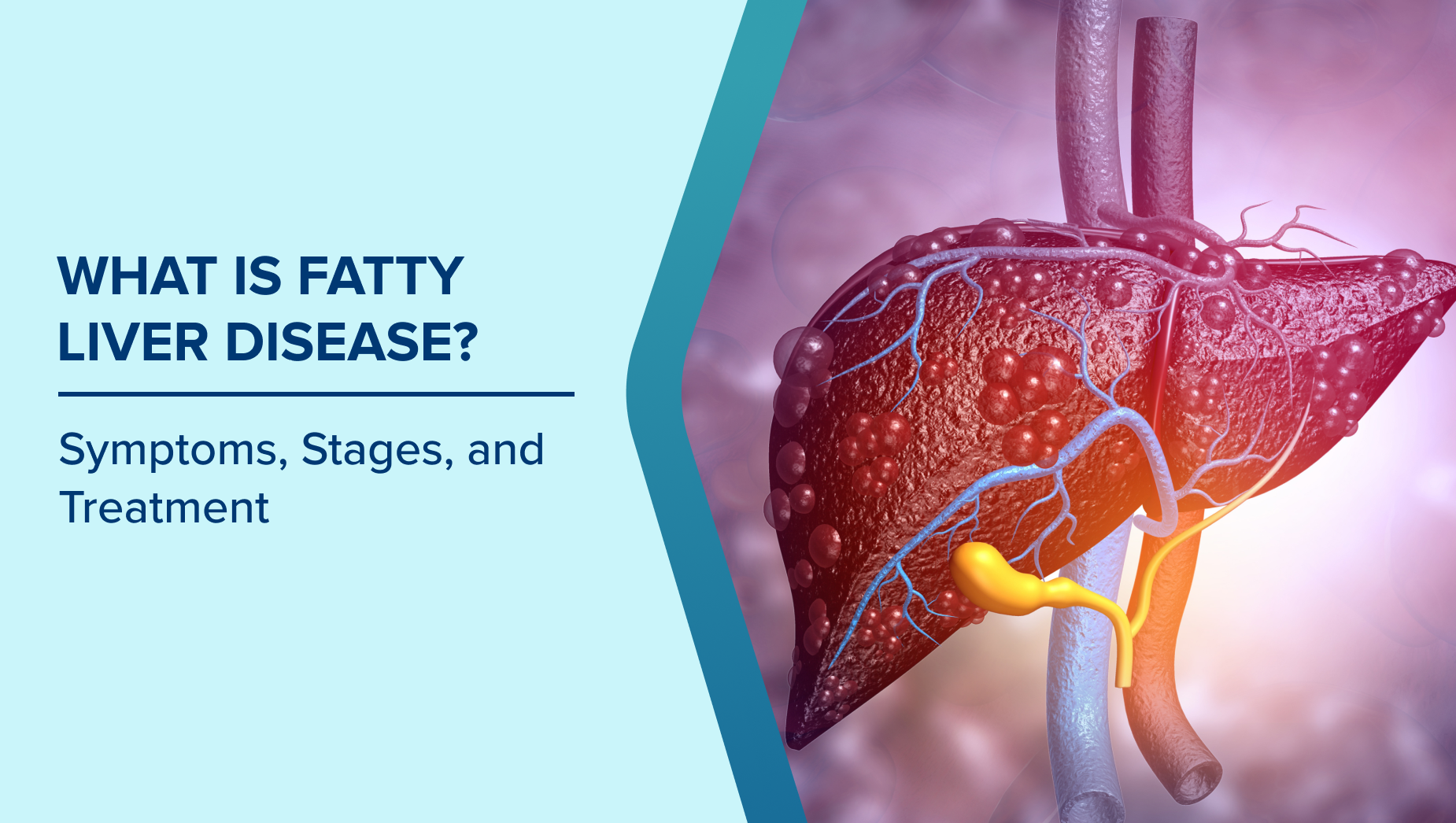
Fatty liver disease occurs when excess fat accumulates in the liver.
The liver normally contains some fat. The problem develops when fat builds up beyond what is considered healthy.
Fatty liver disease is not one single condition. It includes different forms with different causes.
The two broad categories are:
- Metabolic dysfunction-associated steatotic liver disease, or MASLD
- Alcohol-associated liver disease
MASLD is closely connected with metabolic health. It commonly occurs alongside overweight or obesity, insulin resistance, type 2 diabetes, abnormal cholesterol or triglyceride levels, high blood pressure, or other metabolic risk factors.
Alcohol-associated liver disease develops when alcohol use contributes to fat accumulation and liver injury.
There can also be other causes of fat accumulation in the liver, including certain medications, rapid weight loss, some nutritional problems, and uncommon medical conditions.
This distinction matters because treatment depends partly on why fat is accumulating in the liver.
What Causes Fatty Liver Disease?
There is rarely one single cause.
For many people, fatty liver develops because several factors work together. Excess body fat, insulin resistance, an unhealthy eating pattern, low physical activity, genetics, and other metabolic problems can all contribute.
The most important causes and risk factors include:
- Insulin resistance
- Overweight or obesity
- Type 2 diabetes
- High triglycerides
- Metabolic syndrome
- Excess alcohol consumption
- Diets high in added sugar and refined carbohydrates
- Low physical activity
- Genetic factors
- Certain medications
- Rapid weight loss or malnutrition
- Some hormonal and metabolic conditions
Understanding how these factors interact is more useful than looking for one specific food or one specific behavior.
Insulin Resistance and Fatty Liver Disease
Insulin resistance is one of the most important pieces of the fatty liver puzzle.
Insulin is a hormone that helps move glucose from the bloodstream into cells, where it can be used for energy.
When the body becomes less responsive to insulin, the pancreas may produce more insulin to compensate. Over time, insulin resistance can contribute to higher blood sugar and changes in how the body stores and uses fat.
This can increase the flow of fatty acids to the liver and encourage the liver to make and store more fat.
That is one reason fatty liver disease is closely connected with conditions such as prediabetes and type 2 diabetes.
This relationship also explains why fatty liver is not simply a “fatty food” problem.
A person can develop liver fat because of broader metabolic dysfunction even if they do not eat large amounts of obviously fatty foods.
Overweight and Obesity
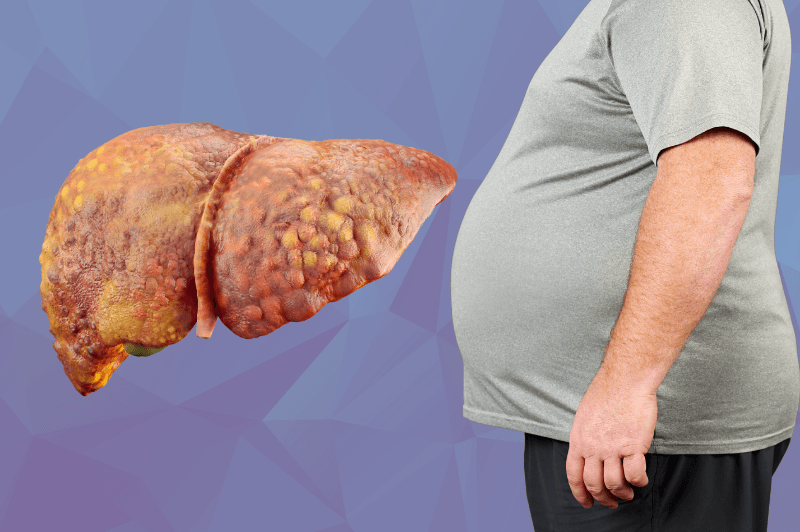
Being overweight or having obesity increases the risk of fatty liver disease, particularly when excess fat is stored around the abdomen.
However, body weight alone does not tell the entire story.
Some people with obesity do not develop significant liver disease, while some people who are not overweight can develop MASLD.
This is sometimes called lean MASLD.
Therefore, it is inaccurate to say that fatty liver only affects people who are overweight.
Body composition, genetics, insulin sensitivity, diet, physical activity, and other metabolic factors all matter.
For people who have overweight or obesity and MASLD, gradual weight loss can reduce liver fat and may improve inflammation and liver health. The amount of weight loss needed can vary by individual, and rapid or extreme dieting is not the goal.
Type 2 Diabetes
Type 2 diabetes is strongly associated with fatty liver disease.
High blood glucose and insulin resistance can promote the accumulation of fat in the liver.
People with diabetes may also have other related risk factors, such as high triglycerides, abdominal obesity, high blood pressure, and insulin resistance.
These factors can combine to create an environment where liver fat is more likely to accumulate.
This is why controlling blood sugar is important for people who have both diabetes and fatty liver disease.
If you have diabetes, your treatment plan should be personalized by your healthcare team rather than based on a generic online diet.
High Triglycerides and Abnormal Cholesterol
Triglycerides are a type of fat found in the blood.
High triglyceride levels are often associated with insulin resistance and metabolic dysfunction. When triglycerides and other blood fats are abnormal, the risk of fat accumulation in the liver can increase.
This does not mean that everyone with high triglycerides will develop fatty liver.
It means that abnormal blood lipids can be one piece of a larger metabolic picture.
A doctor may check cholesterol and triglyceride levels when evaluating a person for fatty liver disease.
Metabolic Syndrome
Metabolic syndrome is another major risk factor.
It refers to a group of health problems that commonly occur together, including:
- Increased waist size
- High blood pressure
- High blood sugar
- High triglycerides
- Low HDL cholesterol
Having several of these problems increases the risk of cardiovascular disease and is also closely associated with fatty liver disease.
This provides an important insight: fatty liver is often connected to overall metabolic health.
Instead of treating the liver as an isolated organ, it can be more helpful to consider the health of the entire metabolic system.
What Role Does Diet Play in Fatty Liver Disease?
Diet can contribute to fatty liver disease, but the answer is more complicated than saying “fatty foods cause fatty liver.”
A diet consistently high in calories can contribute to weight gain and metabolic problems.
Large amounts of added sugar, particularly sugar-sweetened beverages, can also contribute to metabolic dysfunction and liver fat.
Common foods and drinks that may contribute to an unhealthy dietary pattern include:
- Soda
- Sweetened tea
- Energy drinks
- Sugary coffee drinks
- Candy
- Desserts
- Highly processed snacks
- Refined grains
- Large portions of fast food
- Fried foods
- Foods high in saturated fat
This does not mean that one cookie, one burger, or one dessert causes fatty liver.
The overall pattern matters much more than an occasional food.
Added Sugar and Fatty Liver
Added sugar deserves special attention.
Foods and drinks containing large amounts of added sugars can provide many calories without making you feel full for very long.
Sugar-sweetened beverages can be especially easy to overconsume because they are liquid and may not provide the same feeling of fullness as solid food.
Fructose is a type of sugar found naturally in fruit and also used in many sweetened foods and beverages.
Whole fruit is not the same as a sugary soft drink. Whole fruit contains fiber, water, vitamins, minerals, and other beneficial compounds.
For people with fatty liver disease, replacing sugar-sweetened beverages with water or unsweetened drinks can be a practical dietary improvement.
Refined Carbohydrates and Fatty Liver
Refined carbohydrates include foods made from grains that have had much of their fiber removed.
Examples include:
- White bread
- Many refined cereals
- Regular pasta
- Some baked goods
- Many packaged snack foods
These foods are not automatically harmful, but a diet dominated by refined carbohydrates can make it harder to manage blood sugar, appetite, and overall calorie intake.
Choosing more whole grains, vegetables, beans, and other high-fiber foods can help create a more balanced eating pattern.
Can Eating Fat Cause Fatty Liver?
This is a common misunderstanding.
Eating dietary fat does not automatically cause fat to accumulate in the liver.
The type of fat matters.
Unsaturated fats, such as those found in:
- Olive oil
- Avocados
- Nuts
- Seeds
- Fatty fish
can be part of a healthy dietary pattern.
On the other hand, regularly consuming large amounts of foods high in saturated fat can contribute to an unhealthy overall eating pattern and metabolic risk.
The better question is not “Should I avoid all fat?”
A better question is:
“What types of fat am I eating, and how much?”
Alcohol and Fatty Liver Disease
Alcohol is an important cause of liver fat accumulation.
When the liver processes alcohol, it can alter normal fat metabolism and promote the buildup of fat inside liver cells.
Regular heavy alcohol use can cause alcohol-associated fatty liver disease and can progress to alcohol-associated hepatitis, fibrosis, cirrhosis, and other serious liver problems.
Not everyone who drinks alcohol develops liver disease, but the risk increases with higher and more frequent alcohol consumption.
Genetics, sex, body weight, nutrition, and other health factors can also influence individual risk.
If you already have liver disease, talk with your healthcare professional about alcohol rather than assuming that a particular amount is safe.
For people with cirrhosis, complete avoidance of alcohol is recommended because alcohol can cause additional liver damage.
Can Fatty Liver Disease Happen Without Alcohol?
Yes.
A person can develop MASLD without drinking alcohol.
This is why the older term “nonalcoholic fatty liver disease” was used.
MASLD is usually associated with metabolic risk factors such as:
- Overweight or obesity
- Insulin resistance
- Type 2 diabetes
- High triglycerides
- High blood pressure
- Abnormal cholesterol
- Metabolic syndrome
A person can therefore have fatty liver even if they never drink alcohol.
Can Thin People Get Fatty Liver Disease?
Yes.
Being thin does not guarantee a healthy liver.
Some people who are not overweight can develop MASLD.
Possible contributing factors include:
- Genetics
- Insulin resistance
- Abdominal fat
- Type 2 diabetes
- High triglycerides
- Diet
- Low physical activity
- Certain medical conditions
This is one reason waist size, blood sugar, cholesterol, blood pressure, and other health measures can be important even when body weight appears normal.
Genetics and Fatty Liver Disease
Genetics can influence a person’s risk.
Certain genetic variations affect how the body handles and stores fat in the liver.
Some people may therefore develop more liver fat or liver damage despite having similar lifestyle habits to another person.
Genetic factors can also influence how quickly liver disease progresses.
This does not mean lifestyle is irrelevant.
It means that two people can follow similar diets and have different levels of risk.
Family History
A family history of fatty liver disease, type 2 diabetes, obesity, or related metabolic conditions may indicate increased risk.
Family history can reflect both genetics and shared lifestyle patterns.
For example, family members may share similar eating habits, physical activity levels, and health conditions.
If several close family members have metabolic conditions or liver disease, discussing your personal risk with a healthcare professional may be worthwhile.
Lack of Physical Activity
Low physical activity can contribute to fatty liver disease even when body weight does not change dramatically.
Regular movement helps the body use glucose and can improve insulin sensitivity.
Physical activity can also support healthy body composition and cardiovascular health.
You do not need to become an athlete.
Walking, cycling, swimming, strength training, gardening, dancing, and other activities can all contribute to a more active lifestyle.
For many people, consistency is more important than intensity.
Rapid Weight Loss Can Affect the Liver
Rapid weight loss and severe calorie restriction can sometimes contribute to liver problems.
This is one reason crash diets are generally a poor long-term strategy.
If weight loss is appropriate for you, gradual and sustainable changes are usually a better approach.
People with existing liver disease, significant obesity, eating disorders, or other medical conditions should seek professional guidance before starting an aggressive weight-loss plan.
Malnutrition and Fatty Liver Disease
Fatty liver is not always associated with overeating.
Severe malnutrition and certain nutritional deficiencies can also contribute to fat accumulation in the liver.
This may occur in situations involving:
- Severe illness
- Very limited food intake
- Certain gastrointestinal conditions
- Nutritional disorders
- Some forms of rapid weight loss
This is another reason why “eat less” is an overly simplistic answer to every fatty liver question.
The goal is adequate, balanced nutrition.
Certain Medications Can Cause Fatty Liver
Some medications can contribute to liver fat accumulation or liver injury.
Medication-related liver problems are much less common than metabolic causes, but they are important to recognize.
Examples of medications that have been associated with liver injury or steatosis in certain circumstances include some corticosteroids, certain chemotherapy drugs, amiodarone, tamoxifen, and other medications.
This does not mean that you should stop a prescribed medication.
Never discontinue a medication because of something you read online.
If you are concerned that a medication may be affecting your liver, speak with the prescribing clinician.
Medical Conditions Associated With Fatty Liver
Some medical conditions can increase the risk of liver fat accumulation.
These can include:
- Type 2 diabetes
- Obesity
- Metabolic syndrome
- Certain endocrine disorders
- Sleep-related breathing disorders
- Some gastrointestinal and nutritional conditions
The relationship between these conditions and fatty liver can be complex.
Your healthcare professional may need to consider your entire medical history rather than looking at one risk factor.
Why Fat Builds Up in the Liver
To understand what causes fatty liver disease, it helps to look at basic fat metabolism.
The liver processes nutrients arriving from the digestive system.
Fatty acids can come from several sources:
- Food
- Body fat
- Internal fat production
When the amount of fat entering the liver, being made by the liver, or being stored in the liver becomes greater than the amount the liver can use or export, fat can accumulate.
Insulin resistance can increase the delivery of fatty acids from body fat to the liver.
At the same time, metabolic changes can encourage the liver to produce additional fat.
This creates a cycle that can promote liver fat accumulation.
What Happens After Fat Builds Up?
Not everyone with fatty liver develops serious liver damage.
Some people have relatively simple fat accumulation.
Others develop inflammation and liver-cell injury.
Over time, ongoing inflammation can lead to fibrosis, which means scar tissue forms in the liver.
More advanced fibrosis can progress to cirrhosis.
Cirrhosis can interfere with the liver’s normal functions and may cause serious complications.
This is why identifying fatty liver early can be valuable.
The presence of liver fat does not automatically mean that cirrhosis is coming. But it should not be ignored, particularly when metabolic risk factors are present.
What Is MASH?
MASH stands for metabolic dysfunction-associated steatohepatitis.
It is a more active form of metabolic fatty liver disease in which there is liver inflammation and liver-cell injury associated with metabolic dysfunction.
The term NASH, or nonalcoholic steatohepatitis, was used before the newer naming system became common.
MASH can cause fibrosis and may eventually lead to cirrhosis.
Importantly, a person can have fatty liver without having MASH.
That is why additional medical evaluation may be needed to understand the severity of disease.
Does Fatty Liver Cause Symptoms?
Fatty liver disease often causes no obvious symptoms, especially during its early stages.
Some people may experience:
- Fatigue
- General discomfort
- A feeling of fullness in the upper right abdomen
However, these symptoms are not specific to fatty liver.
More advanced liver disease can cause symptoms such as:
- Yellowing of the skin or eyes
- Swelling in the legs
- Abdominal swelling
- Easy bruising
- Confusion
- Severe weakness
- Loss of appetite
These symptoms require medical attention.
Because early fatty liver can be silent, people often discover it during blood tests or imaging performed for another reason.
How Is Fatty Liver Disease Diagnosed?
Doctors may use several types of information.
These can include:
- Medical history
- Alcohol history
- Medication review
- Blood tests
- Ultrasound
- Other imaging
- Noninvasive fibrosis tests
- Physical examination
Blood tests can help identify liver enzyme abnormalities, but normal liver enzymes do not always rule out fatty liver or significant liver disease.
Imaging may detect liver fat.
Doctors may also use noninvasive scoring systems and specialized tests to estimate the risk of liver fibrosis.
In selected situations, a liver biopsy may be considered.
Why Liver Enzymes Are Not the Whole Story
Many people assume that normal ALT or AST levels mean the liver is completely healthy.
That is not always true.
A person can have fatty liver or even significant fibrosis without dramatically abnormal liver enzymes.
This is an important reason not to rely on one blood test alone.
If you have metabolic risk factors or other reasons to suspect liver disease, discuss the appropriate evaluation with your healthcare professional.
Who Is at Higher Risk of Fatty Liver Disease?
Your risk may be higher if you have several of the following:
- Type 2 diabetes
- Prediabetes
- Overweight or obesity
- Increased waist circumference
- High triglycerides
- High blood pressure
- Abnormal cholesterol
- Metabolic syndrome
- Low physical activity
- A family history of metabolic disease
- Certain genetic risk factors
- Regular heavy alcohol use
- Certain medications or medical conditions
Having one risk factor does not mean you definitely have fatty liver.
Likewise, having no obvious risk factors does not guarantee that you cannot develop it.
How Can Fatty Liver Disease Be Prevented?
Prevention starts with overall metabolic health.
Useful habits include:
- Eating more vegetables
- Choosing whole grains more often
- Eating beans and lentils
- Choosing lean proteins
- Eating fish regularly
- Choosing unsaturated fats
- Limiting sugary drinks
- Limiting excess added sugar
- Reducing highly processed foods
- Staying physically active
- Maintaining a healthy weight when possible
- Limiting or avoiding alcohol based on individual medical guidance
- Managing diabetes and cholesterol
- Getting adequate sleep
The goal is not perfection.
A sustainable eating pattern is more useful than a strict diet that lasts only two weeks.
A Practical Fatty Liver Diet Approach
There is no single food that can treat fatty liver. A better approach is to build balanced meals with vegetables, lean protein, high-fiber carbohydrates, and a small amount of healthy fat. Simple combinations include grilled salmon with broccoli and quinoa, chicken with roasted vegetables and brown rice, or lentils with spinach and whole-grain bread. This flexible approach can support healthy eating without requiring an expensive or restrictive diet.
Foods That May Support a Healthier Eating Pattern
Instead of asking, “What foods cure fatty liver?” it is more useful to ask, “What foods help me build a healthier diet?”
Good choices include:
- Leafy greens
- Cruciferous vegetables
- Berries
- Apples
- Beans
- Lentils
- Oats
- Brown rice
- Quinoa
- Whole-grain bread
- Fish
- Skinless poultry
- Plain yogurt
- Nuts
- Seeds
- Avocado
- Olive oil
These foods can contribute fiber, protein, vitamins, minerals, and healthier fats.
They are not cures, but they can form the foundation of a balanced diet.
Foods and Drinks to Limit
Depending on your individual health needs, it may be helpful to limit:
- Sugar-sweetened beverages
- Large amounts of fruit juice
- Candy
- Desserts
- Highly processed snacks
- Fried foods
- Highly processed meats
- Excess saturated fat
- Excess refined carbohydrates
- Excess alcohol
Again, frequency matters.
An occasional treat is different from building your everyday diet around highly processed foods.
Does Coffee Affect Fatty Liver?
Coffee is an interesting area of liver research.
Studies have associated coffee consumption with lower risks of several chronic liver outcomes in some populations.
However, coffee should not be considered a treatment or cure for fatty liver.
If you already drink coffee and tolerate it well, there may be no reason to stop solely because you are concerned about liver health.
But adding large amounts of sugar, flavored syrups, cream, or sweetened toppings can change the nutritional profile of the drink.
If you have a medical condition that requires limiting caffeine, follow your healthcare professional’s advice.
Can Exercise Help Fatty Liver?
Physical activity is an important part of metabolic health.
Exercise can improve insulin sensitivity and help manage body weight and cardiovascular risk.
Both aerobic activity and resistance training can be useful.
Examples include:
- Walking
- Jogging
- Cycling
- Swimming
- Dancing
- Strength training
- Bodyweight exercises
You do not need a complicated workout program to begin.
A practical starting point might be taking regular walks and gradually increasing activity based on your fitness level.
If you have health conditions that limit exercise, talk with your healthcare professional before making major changes.
Can Fatty Liver Be Reversed?
Fatty liver can improve in many people when the underlying causes are addressed. A healthier diet, regular physical activity, better blood sugar control, and gradual weight management when appropriate can help reduce liver fat. However, results depend on the cause and stage of liver disease, so people with advanced fibrosis or cirrhosis should follow personalized medical advice.
Why Small Changes Can Matter
Small, consistent changes can make a big difference in liver health. Replacing sugary drinks with water, eating more vegetables and whole grains, choosing grilled foods instead of fried foods, staying active, and preparing more meals at home can support healthier habits. The goal is not a perfect diet but a sustainable routine you can maintain over time.
Fatty Liver Disease and Weight Loss
For people with MASLD who have overweight or obesity, weight loss can be an important part of treatment.
Research and clinical guidance indicate that meaningful weight loss can reduce liver fat, and greater weight loss may produce greater improvements in liver inflammation and fibrosis for some people.
But weight loss should be individualized.
Someone with advanced liver disease or malnutrition may need to gain or maintain weight rather than lose it.
This is why the right question is not simply “How much weight should I lose?”
It is:
“What is a healthy goal for my medical situation?”
Why Extreme Diets Are Usually a Poor Choice
Crash diets may produce fast changes on the scale, but they are difficult to maintain.
They can also lead to nutritional deficiencies and loss of muscle.
A liver-friendly lifestyle should be something you can continue for months and years.
Think in terms of habits rather than punishment.
A meal plan should provide enough nutrition while helping you manage the factors contributing to liver fat.
When Should You Talk to a Doctor?
Talk with a healthcare professional if you have risk factors for fatty liver or concerns about your liver health.
You should be especially proactive if you have:
- Type 2 diabetes
- Prediabetes
- Obesity
- High triglycerides
- Metabolic syndrome
- Abnormal liver tests
- A history of heavy alcohol use
- A family history of significant liver disease
- Symptoms that could indicate liver problems
Seek prompt medical attention for symptoms such as yellow skin or eyes, vomiting blood, black stools, severe abdominal swelling, significant confusion, or other signs of advanced liver disease.
What Causes Fatty Liver Disease in Children?
Fatty liver can also occur in children and adolescents.
In younger people, metabolic risk factors such as obesity, insulin resistance, and type 2 diabetes can play important roles.
Children should not be placed on restrictive diets without professional guidance.
If a child has been diagnosed with fatty liver or has significant metabolic risk factors, parents should work with the child’s pediatrician and, when appropriate, a pediatric dietitian.
The goal should be healthy growth and sustainable habits, not aggressive weight loss.
Frequently Asked Questions About What Causes Fatty Liver Disease
Can fatty liver happen from eating too much sugar?
A diet high in added sugar, especially when it contributes to excess calorie intake and metabolic problems, can increase the risk of fatty liver. Sugar-sweetened beverages are particularly easy to overconsume. However, fatty liver usually develops from several interacting factors rather than from one food.
Can stress cause fatty liver disease?
Stress by itself is not usually considered a direct cause of fatty liver. However, long-term stress can influence sleep, eating habits, physical activity, alcohol use, and body weight. These changes can indirectly affect metabolic health and liver disease risk.
Can fatty liver be caused by not exercising?
Low physical activity can increase the risk of fatty liver because it may contribute to insulin resistance, weight gain, and poor metabolic health. Regular physical activity can support better insulin sensitivity and overall health.
Can high cholesterol cause fatty liver?
Abnormal cholesterol and triglyceride levels are associated with metabolic dysfunction and an increased risk of fatty liver. High cholesterol does not mean that you definitely have fatty liver, but it can be an important part of the overall risk profile.
Can you have fatty liver if you never drink alcohol?
Yes. MASLD can occur in people who drink little or no alcohol. It is commonly associated with metabolic risk factors such as insulin resistance, type 2 diabetes, overweight or obesity, high triglycerides, and high blood pressure.
Final Thoughts
What causes fatty liver disease is usually more complicated than one food, one habit, or one medical condition. Metabolic dysfunction, insulin resistance, excess body fat, type 2 diabetes, abnormal blood fats, low physical activity, dietary patterns, alcohol, genetics, certain medications, and other medical conditions can all contribute. The most important insight is that fatty liver is often connected to the health of the whole body rather than the liver alone.
For many people, improving metabolic health is a central part of protecting the liver. Eating more vegetables, whole grains, beans, fruits, fish, and other minimally processed foods while reducing sugary drinks, excessive alcohol, fried foods, and highly processed foods can create a stronger foundation. Regular physical activity and appropriate weight management can also help. However, people with diagnosed liver disease should receive individualized medical advice because the right approach can change depending on the type and stage of liver disease.
If you are concerned about fatty liver, do not wait for symptoms. Early fatty liver may be silent, and a healthcare professional can help determine whether you need blood tests, imaging, or additional evaluation. Understanding the causes is the first step; addressing the underlying risk factors is what can make the biggest long-term difference.

Key Takeaways Put safety and medical care ahead of evidence [...]

Key Takeaways Living alone can be safe when daily routines, [...]
Atlanta patients often receive care from large hospital systems, neighborhood [...]
Diagnostic Precision and Risk Stratification in Modern Urology The foundation [...]

Key Takeaways A recurring SUV problem should be documented from [...]

A printed guide succeeds when it helps someone complete a [...]

Key Takeaways An arrest or citation is an allegation, not [...]

When you ask, "What is the best payroll provider for [...]