
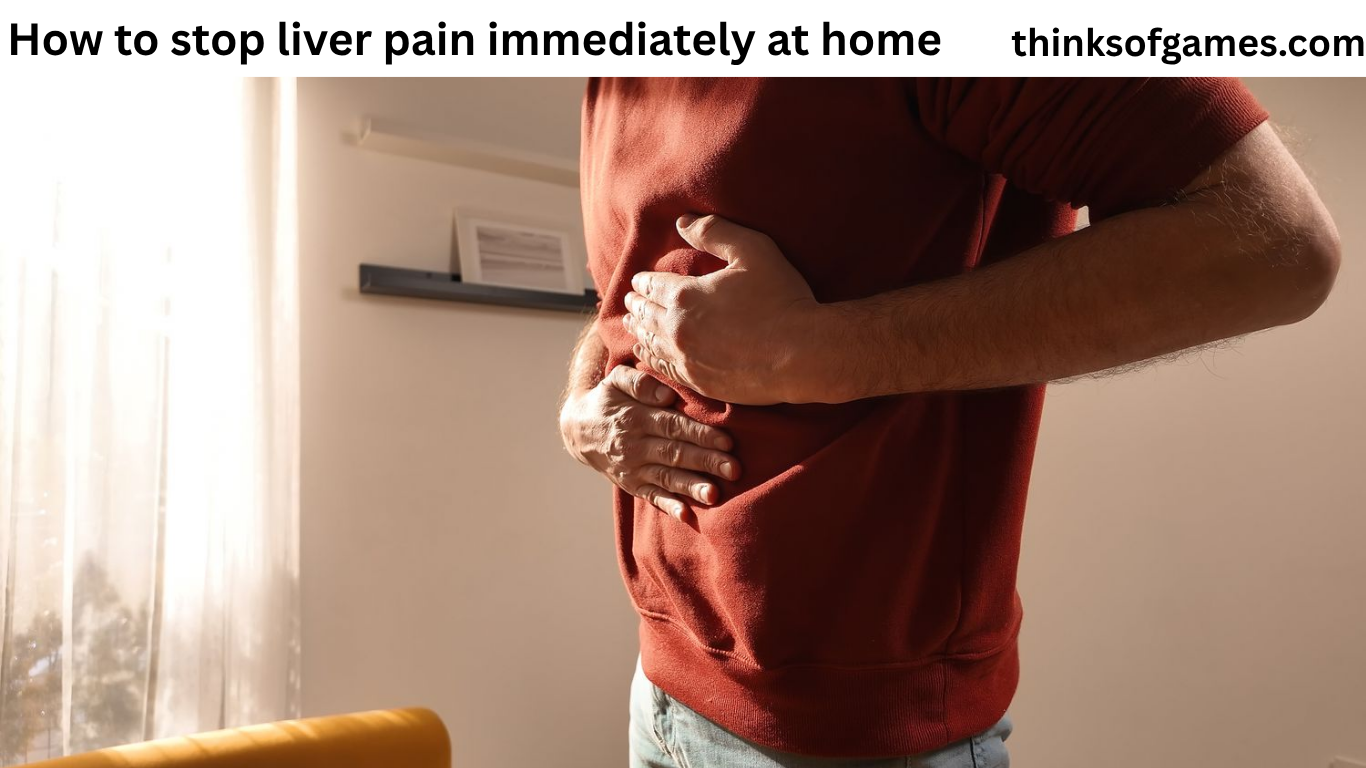
Pain in the upper-right side of the abdomen can be uncomfortable and frightening, especially when you think it may be coming from your liver. Many people search for “how to stop liver pain immediately at home” because they want quick relief without going to a doctor. However, the first and most important step is understanding that pain in this area does not always come from the liver.
The liver is located in the upper-right part of the abdomen, underneath the ribs. Liver conditions can sometimes cause discomfort in this area, but gallstones, gallbladder inflammation, stomach problems, pancreatitis, muscle strain, and other conditions can cause similar pain.
Because the causes are so different, there is no single home remedy that can safely stop liver pain immediately.
Mild discomfort without warning signs may sometimes improve with rest, hydration, avoiding alcohol, and eating lighter meals. But severe, sudden, persistent, or worsening abdominal pain should not be treated at home without medical evaluation.
This guide explains what you can safely do at home, what may be causing the pain, which common remedies can be risky, and when you should seek urgent medical care.
Can You Stop Liver Pain Immediately at Home?
You may be able to reduce mild abdominal discomfort at home, but you cannot know whether the pain is truly coming from the liver without determining its cause.
Also read:What Are the Best Foods for Kidney Health?
Many liver diseases cause few or no symptoms in their early stages. For example, fatty liver disease is often silent, although some people may experience tiredness or discomfort in the upper-right abdomen.
This means sudden severe pain should not automatically be blamed on fatty liver.
A better approach is to ask:
- Where exactly is the pain?
- How severe is it?
- When did it start?
- Is it getting worse?
- Does it happen after eating?
- Do you have fever?
- Are you vomiting?
- Do you have yellow skin or eyes?
- Is your abdomen swollen?
- Have you recently taken new medicines?
- Have you consumed alcohol?
- Have you had an injury?
These details can help determine whether home care is reasonable or whether you need medical attention.
What Does Liver Pain Feel Like?
People describe upper-right abdominal discomfort in different ways.
It may feel like:
- A dull ache
- Pressure
- Fullness
- Tenderness
- A feeling of heaviness
- Mild soreness
- Discomfort beneath the right ribs
However, there is no single pain pattern that proves the liver is responsible.

The location can provide clues, but it is not enough to diagnose the cause. Mayo Clinic notes that abdominal pain can have many causes, and the location and pattern of the pain can help doctors evaluate it.
If you have new abdominal pain and are unsure what is causing it, avoid assuming that it is liver pain.
Where Is the Liver Located?
The liver sits mainly in the upper-right portion of the abdomen, just below the rib cage.
Because other organs are located nearby, pain in this area can be difficult to identify without an examination.
The gallbladder is located beneath the liver and can cause significant pain when gallstones block the bile ducts. NIDDK explains that gallbladder attacks commonly cause sudden pain in the upper-right abdomen.
The pancreas, stomach, intestines, abdominal muscles, and other structures can also cause pain in or around this region.
That is why location alone cannot tell you what is wrong.
What Can Cause Pain in the Liver Area?
Several conditions can cause pain or discomfort in the upper-right abdomen.
Possible causes include:
- Liver inflammation
- Liver infection
- Fatty liver disease
- Liver enlargement
- Gallstones
- Gallbladder inflammation
- Bile duct problems
- Pancreatitis
- Stomach problems
- Gas or indigestion
- Muscle strain
- Abdominal injury
Some causes are mild, while others require immediate medical treatment.
Can Fatty Liver Cause Pain?
Fatty liver disease usually causes few or no symptoms.
When symptoms occur, some people may experience discomfort in the upper-right abdomen.
However, fatty liver is not usually a reason to expect sudden, severe pain.
If you have known fatty liver and suddenly develop intense abdominal pain, do not automatically assume that your fatty liver has suddenly become worse.
Another condition may be responsible.
Can Gallstones Feel Like Liver Pain?
Yes.
Gallstones are a common reason people mistake gallbladder pain for liver pain.
Gallstones can block the bile ducts and cause a sudden attack of pain in the upper-right abdomen. NIDDK notes that gallbladder attacks can cause sudden upper-right abdominal pain and may lead to serious complications if a blockage remains untreated.
The pain may be especially noticeable after eating.
If the pain is severe or keeps returning, medical evaluation is important.
Can Gas Cause Pain Near the Liver?
Gas and digestive problems can cause discomfort in different parts of the abdomen, including the upper abdomen.
Gas-related discomfort may come and go and may improve after passing gas or having a bowel movement.
However, you should not automatically assume that persistent or severe right-sided pain is gas.
If the pain is intense, lasts for a long time, or comes with fever, vomiting, jaundice, swelling, or other concerning symptoms, seek medical care.
Can Muscle Pain Feel Like Liver Pain?
Yes.
A strained abdominal or rib muscle can cause pain that feels as though it is coming from inside the abdomen.
Muscle pain may become worse when:
- You twist
- You bend
- You cough
- You lift something
- You press the affected area
- You exercise
A recent workout, fall, accident, or unusual physical activity may provide an important clue.
However, you should not assume that pain is muscular if other symptoms are present.
What to Do at Home for Mild Upper-Right Abdominal Discomfort
If your discomfort is mild, you feel otherwise well, and you have no warning signs, several basic steps may be reasonable while you monitor your symptoms.
Rest
Stop strenuous activity and give your body time to recover.
If the pain is related to a muscle strain, resting the affected area may help.
If the cause is digestive, taking it easy may also make you more comfortable.
Rest is supportive care, not a treatment for underlying liver disease.
Drink Water
Staying hydrated is generally helpful for overall health.
Drink water normally throughout the day rather than forcing yourself to drink excessive amounts.
Water will not “flush” liver toxins or instantly repair liver damage, but it can help prevent dehydration.
Avoid Alcohol
If you have unexplained pain in the upper-right abdomen, avoiding alcohol until the cause is understood is a sensible precaution.
Alcohol can contribute to liver injury, particularly when consumed heavily or regularly. Liver disease can have many causes, and alcohol-related liver disease is one recognized category.
If you already have liver disease, ask your healthcare professional whether you should avoid alcohol completely.
Choose Lighter Meals
If your discomfort occurs after eating, choose smaller, simpler meals while you monitor symptoms.
You might choose:
- Oatmeal
- Rice
- Bananas
- Toast
- Soup
- Cooked vegetables
- Plain yogurt if tolerated
- Lean protein
Avoid very large or greasy meals if they seem to make your discomfort worse.
However, if eating repeatedly triggers significant upper-right abdominal pain, that is a reason to seek medical evaluation rather than simply changing your diet permanently.
Should You Use a Heating Pad for Liver Pain?
A warm compress may help some types of muscle or abdominal discomfort, but it does not treat liver disease, gallstones, hepatitis, or other internal causes.
If you choose to use gentle warmth, avoid very high temperatures and do not fall asleep with a heating device against your skin.
If pain continues or becomes stronger, do not keep treating it with heat while delaying medical care.
Can Lemon Water Stop Liver Pain?
There is no good reason to expect lemon water to immediately stop true liver pain.
Lemon water can be a refreshing, low-calorie drink and can help you consume fluids, but it is not a treatment for liver inflammation, gallstones, hepatitis, or other causes of abdominal pain.
Claims that lemon water “cleans” or “flushes” the liver should be viewed cautiously.
The liver performs its own metabolic and detoxification functions.
Can Apple Cider Vinegar Stop Liver Pain?
No reliable evidence supports apple cider vinegar as an immediate treatment for liver pain.
Drinking concentrated vinegar can also irritate the digestive tract and damage tooth enamel.
If you have abdominal pain, using vinegar as a home treatment may distract you from finding the actual cause.
Can a Liver Detox Stop the Pain?
There is no proven liver detox that can safely make unexplained liver-area pain disappear immediately.
Many commercial detox products contain mixtures of herbs and supplements.
Some supplements can interact with medications or cause liver injury themselves.
If you have liver disease or unexplained abdominal pain, talk with a healthcare professional before taking herbal products marketed for liver cleansing.
The safest “liver-friendly” approach is usually to identify the underlying problem and address it rather than relying on a cleanse.
Should You Take Tylenol for Liver Pain?
This requires particular caution.
Tylenol is a brand name for acetaminophen, a common pain reliever. Acetaminophen can be safe when used correctly, but taking too much can cause severe liver damage and liver failure.
The FDA advises consumers to follow the label and avoid taking more than one acetaminophen-containing medicine at the same time unless directed by a healthcare professional.
If you have liver disease, regularly drink alcohol, take several medications, or are unsure whether another medicine contains acetaminophen, ask a healthcare professional or pharmacist before taking it.
Do not take extra doses simply because the pain has not improved.
What About Ibuprofen for Liver Pain?
Ibuprofen is an NSAID rather than an acetaminophen product.
That does not mean it is automatically safe for everyone.
NSAIDs can cause stomach bleeding and kidney problems in some people, particularly when used incorrectly or in people with certain medical conditions.
People with advanced liver disease may have additional reasons to avoid certain pain medicines.
Therefore, if you have known liver disease and are experiencing new abdominal pain, ask your healthcare professional which pain reliever, if any, is appropriate.
When Should You Not Treat Liver Pain at Home?
Do not rely on home remedies if the pain is:
- Severe
- Sudden
- Getting worse
- Persistent
- Associated with fever
- Associated with repeated vomiting
- Associated with yellow skin or eyes
- Associated with a swollen abdomen
- Associated with fainting or severe weakness
- Associated with blood in vomit or stool
- Associated with chest pain or difficulty breathing
- Following a significant injury
Mayo Clinic recommends immediate medical attention for severe abdominal pain and for pain accompanied by symptoms such as fever, persistent vomiting, abdominal swelling, severe tenderness, or skin discoloration.
When Should You Call 911?
Call 911 or seek emergency medical care if abdominal pain is severe and accompanied by signs of a serious emergency.
Examples include:
- Fainting
- Severe weakness
- Trouble breathing
- Chest pain
- Vomiting blood
- Black or bloody stools
- Severe abdominal swelling
- Severe or rapidly worsening pain
- Confusion
- Signs of shock
Mayo Clinic identifies severe abdominal pain with chest symptoms, breathing problems, dizziness, significant bleeding, high fever, persistent vomiting, or a swollen and tender abdomen as reasons for urgent or emergency evaluation.
Why Jaundice With Abdominal Pain Matters
Jaundice means the skin or whites of the eyes become yellow.
It can occur with several liver and bile-duct problems.
Mayo Clinic lists jaundice, abdominal pain or swelling, leg swelling, itching, and dark urine among possible symptoms associated with liver problems.
If you develop yellow skin or eyes together with significant abdominal pain, fever, vomiting, dark urine, or other concerning symptoms, seek prompt medical evaluation.
Do not wait for a home remedy to work.
What If You Have Fever With Liver-Area Pain?
Fever can be a warning sign that an infection or inflammation is present.
Certain bile duct conditions, gallbladder problems, liver infections, and other abdominal conditions can cause pain with fever.
NIDDK notes that bile duct infections can produce fever, chills, new or worsening jaundice, and upper-right abdominal pain.
Pain plus fever deserves more attention than mild isolated discomfort.
What If You Are Vomiting?
Occasional mild nausea can occur with many digestive problems.
But persistent vomiting together with abdominal pain should not be ignored.
Mayo Clinic recommends immediate medical evaluation when abdominal pain is accompanied by nausea and vomiting that does not go away.
Repeated vomiting can also lead to dehydration.
If you cannot keep fluids down, seek medical advice.
What If Your Abdomen Is Swollen?
Abdominal swelling can have many causes.
In people with advanced liver disease, fluid can build up in the abdomen, a condition called ascites.
Mayo Clinic lists abdominal swelling among symptoms that can occur with liver problems, while NIDDK notes abdominal fluid buildup as a complication of cirrhosis.
New or significant abdominal swelling should be evaluated rather than treated as ordinary bloating.
Can Liver Pain Be Caused by Hepatitis?
Yes.
Hepatitis means inflammation of the liver.
It can have several causes, including viral infections, alcohol, medications, toxins, and autoimmune conditions.
Some forms of hepatitis cause few symptoms, while others can produce fatigue, nausea, abdominal discomfort, dark urine, jaundice, or other symptoms.
If hepatitis is suspected, medical testing is needed to determine the cause.
Home remedies cannot identify or treat the underlying infection or inflammation.
Can Liver Pain Be Caused by Cirrhosis?
Cirrhosis is advanced scarring of the liver.
Many people with liver disease have few symptoms early on. As liver disease becomes more advanced, symptoms can include jaundice, abdominal swelling, weakness, itching, and other complications.
Also read:Liver Friendly Recipes: Simple, Healthy, and Delicious Meals for Better Liver Health
If you already have cirrhosis and develop new abdominal pain, contact your healthcare team rather than assuming it is ordinary indigestion.
Can Liver Pain Come From Fatty Liver Disease?
It can, but not every case of upper-right abdominal discomfort in someone with fatty liver is caused by the fatty liver itself.
NIDDK states that NAFLD/MASLD is usually a silent condition, although some people may feel tired or have discomfort in the upper-right abdomen.
If you have fatty liver and experience new pain, your healthcare professional may need to consider other possible causes as well.
How Long Should Liver Pain Last?
There is no safe universal time limit because the cause matters.
Mild discomfort that quickly improves may be less concerning than pain that continues.
However, persistent abdominal pain should not simply be ignored.
Mayo Clinic advises making a healthcare appointment when abdominal pain is concerning or lasts more than a few days.
Severe pain should be evaluated much sooner.
What Tests Might a Doctor Use?
The evaluation depends on your symptoms and medical history.
A healthcare professional may use:
- Physical examination
- Blood tests
- Liver enzyme testing
- Bilirubin testing
- Blood counts
- Imaging
- Ultrasound
- CT or MRI when appropriate
- Testing for viral hepatitis
- Other specialized tests
If gallstones are suspected, imaging may be particularly useful.
NIDDK notes that healthcare professionals use medical history, physical examination, laboratory testing, and imaging to diagnose gallstones.
Why You Should Not Diagnose Yourself From Pain Location
One of the biggest mistakes people make is assuming:
“Pain under my right ribs = liver pain.”
That conclusion is not reliable.
The gallbladder sits close to the liver.
The stomach and intestines are nearby.
The pancreas can cause upper abdominal pain.
Muscles and ribs can also hurt in the same region.
This is why an accurate diagnosis is more useful than trying to identify the organ yourself.
What Should You Eat During Mild Abdominal Discomfort?
If you are otherwise well and your discomfort is mild, you may prefer simple foods for a short period.
Options can include:
- Oatmeal
- Rice
- Toast
- Bananas
- Applesauce
- Cooked vegetables
- Broth-based soups
- Lean chicken
- Fish
- Plain yogurt if tolerated
Avoid very large meals.
You may also want to temporarily reduce foods that clearly worsen your symptoms.
However, food changes should not replace medical evaluation when pain is severe or persistent.
Should You Avoid Fat Completely?
No.
Avoiding all dietary fat is generally unnecessary.
Healthy fats can be part of a balanced eating pattern.
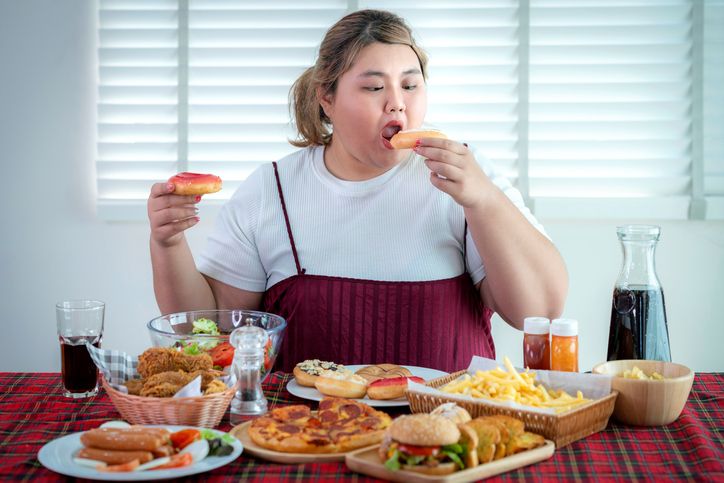
If greasy meals trigger upper-right abdominal pain, however, discuss that pattern with a healthcare professional because gallbladder problems can cause pain after eating.
Do not assume that simply avoiding fat has solved the underlying problem.
Should You Stop Eating When You Have Liver Pain?
Not necessarily.
If you have mild discomfort and can eat normally, small balanced meals may be reasonable.
Prolonged fasting is not a universal treatment for liver pain.
People with certain liver conditions may actually have specific nutritional needs and should not make major dietary changes without professional guidance.
Can Drinking More Water Cure Liver Pain?
No.
Water can help maintain hydration, but it cannot cure liver inflammation, gallstones, hepatitis, cirrhosis, or pancreatitis.
Also read:Recipes for Healthy Liver: Easy, Nutritious Meals for Better Liver Health
Drink normally and avoid dehydration, but do not force huge quantities of water in an attempt to flush out the liver.
What Should You Avoid While Waiting for Medical Advice?
If you have unexplained liver-area pain, it is sensible to avoid:
- Alcohol
- Unnecessary supplements
- Herbal detox products
- Excessive pain medicine
- Large amounts of acetaminophen
- Heavy meals if they worsen symptoms
- Strenuous activity if movement worsens the pain
Most importantly, do not combine multiple medications without checking their active ingredients.
The FDA warns that many prescription and over-the-counter products contain acetaminophen, creating a risk of accidental overdose.
What Is the Safest Immediate Approach?
If the pain is mild and you have no warning signs, a cautious approach is:
- Stop strenuous activity.
- Rest comfortably.
- Drink water normally.
- Avoid alcohol.
- Choose a light meal if you are hungry.
- Avoid unnecessary supplements.
- Check the labels of any medicines you take.
- Monitor your symptoms.
- Contact a healthcare professional if the pain persists or concerns you.
If the pain is severe or comes with warning signs, skip home treatment and seek urgent medical care.
How to Protect Your Liver Long Term
Once the immediate pain has been evaluated, long-term liver health becomes important.
Helpful habits include:
- Maintain a healthy weight when appropriate.
- Exercise regularly.
- Eat more vegetables and whole foods.
- Choose whole grains and high-fiber foods.
- Limit sugar-sweetened drinks.
- Avoid excessive alcohol.
- Take medicines only as directed.
- Avoid unnecessary supplements.
- Manage diabetes and cholesterol.
- Follow medical advice for known liver disease.
These steps can help reduce risk for several types of liver disease.
The NHS notes that maintaining a healthy weight and staying within recommended alcohol limits can help prevent some types of liver disease.
Liver-Friendly Foods for Long-Term Health
A liver-friendly eating pattern can include:
- Vegetables
- Whole fruits
- Oats
- Brown rice
- Quinoa
- Beans
- Lentils
- Fish
- Skinless poultry
- Nuts
- Seeds
- Avocado
- Olive oil
- Plain yogurt
The goal is not to find one food that repairs the liver.
Instead, build a consistent eating pattern that supports metabolic and cardiovascular health.
Foods to Limit for Better Liver Health
Depending on your health situation, it may be helpful to limit:
- Sugary drinks
- Excess added sugar
- Highly processed foods
- Fried foods
- Large amounts of saturated fat
- Processed meats
- Excess alcohol
If you have a diagnosed liver condition, your dietary needs may be different from those of someone without liver disease.
Why Alcohol Is Important When You Have Liver Pain
Alcohol deserves special attention because it can directly contribute to liver injury.
If you already have liver disease or unexplained liver symptoms, avoiding alcohol until you have spoken with your healthcare professional is a cautious choice.
For people with advanced liver disease, alcohol can worsen liver damage.
Do not assume that switching from liquor to wine or beer makes alcohol harmless to the liver.
When Mild Pain Still Needs a Doctor
Pain does not have to be severe to deserve evaluation.
Make a medical appointment if:
- It keeps returning.
- It lasts for several days.
- You have known liver disease.
- You have unexplained abnormal liver tests.
- You have a history of hepatitis.
- You regularly drink heavily.
- You have unexplained weight loss.
- You develop ongoing nausea.
- You notice changes in urine or stool.
- You are worried about the pain.
Mayo Clinic recommends medical evaluation when abdominal pain is concerning or persists for more than a few days.
Frequently Asked Questions About How to Stop Liver Pain Immediately at Home
What is the fastest home remedy for mild liver-area pain?
There is no proven remedy that can instantly stop true liver pain. For mild discomfort without warning signs, resting, staying hydrated, avoiding alcohol, and eating lighter meals may help you feel more comfortable while you monitor the symptoms. Persistent or worsening pain should be evaluated.
Can sleeping make liver pain go away?
Rest may make some types of discomfort feel better, particularly muscle-related pain, but sleep does not treat an underlying liver or gallbladder condition. If you wake up with persistent or worsening pain, seek medical advice.
Can a warm bath help liver pain?
A warm bath may help relax muscles and reduce general discomfort, but it does not treat liver inflammation, gallstones, hepatitis, or other internal causes of abdominal pain. Do not use a bath or heat as a reason to delay medical care for severe symptoms.
Can liver pain go away on its own?
Some mild abdominal discomfort can resolve on its own, but whether it is safe to wait depends on the cause. Severe, persistent, or recurring pain should be assessed because conditions such as gallstones, infections, or pancreatitis may require treatment.
Should I fast if I have liver pain?
Fasting is not a universal treatment for liver pain. If you can eat normally, a small balanced meal may be reasonable. People with diagnosed liver disease should follow their healthcare professional’s nutritional advice rather than starting prolonged fasting on their own.
Final Thoughts
If you are searching for how to stop liver pain immediately at home, the most important answer is that there is no single home remedy that can safely eliminate unexplained liver-area pain. Mild discomfort may sometimes improve with rest, hydration, avoiding alcohol, and lighter meals, but pain in the upper-right abdomen can come from many different organs and conditions. Fatty liver may cause mild upper-right discomfort in some people, but gallstones, gallbladder problems, pancreatitis, infections, and other conditions can produce similar symptoms.
Do not try to mask severe pain with repeated doses of pain medicine, especially acetaminophen, because taking too much can cause serious liver damage. If pain is severe, sudden, worsening, or accompanied by fever, repeated vomiting, jaundice, abdominal swelling, chest pain, breathing problems, fainting, or bleeding, seek urgent medical care rather than relying on home treatment.
Key Takeaways Put safety and medical care ahead of evidence [...]

Key Takeaways Living alone can be safe when daily routines, [...]
Atlanta patients often receive care from large hospital systems, neighborhood [...]
Diagnostic Precision and Risk Stratification in Modern Urology The foundation [...]
Key Takeaways A recurring SUV problem should be documented from [...]

A printed guide succeeds when it helps someone complete a [...]
Key Takeaways An arrest or citation is an allegation, not [...]

When you ask, "What is the best payroll provider for [...]