
Key Takeaways
- Mild back pain often improves with time and sensible self-care, but persistent or worsening symptoms should be evaluated.
- Staying gently active is usually more useful than prolonged bed rest for uncomplicated back pain.
- An MRI is not automatically needed during the first stage of uncomplicated acute low back pain.
- New bowel or bladder problems, saddle-area numbness, fever, major trauma, or rapidly worsening weakness need urgent medical attention.
- Effective care focuses on safety, function, and a treatment plan that fits the individual cause of pain.
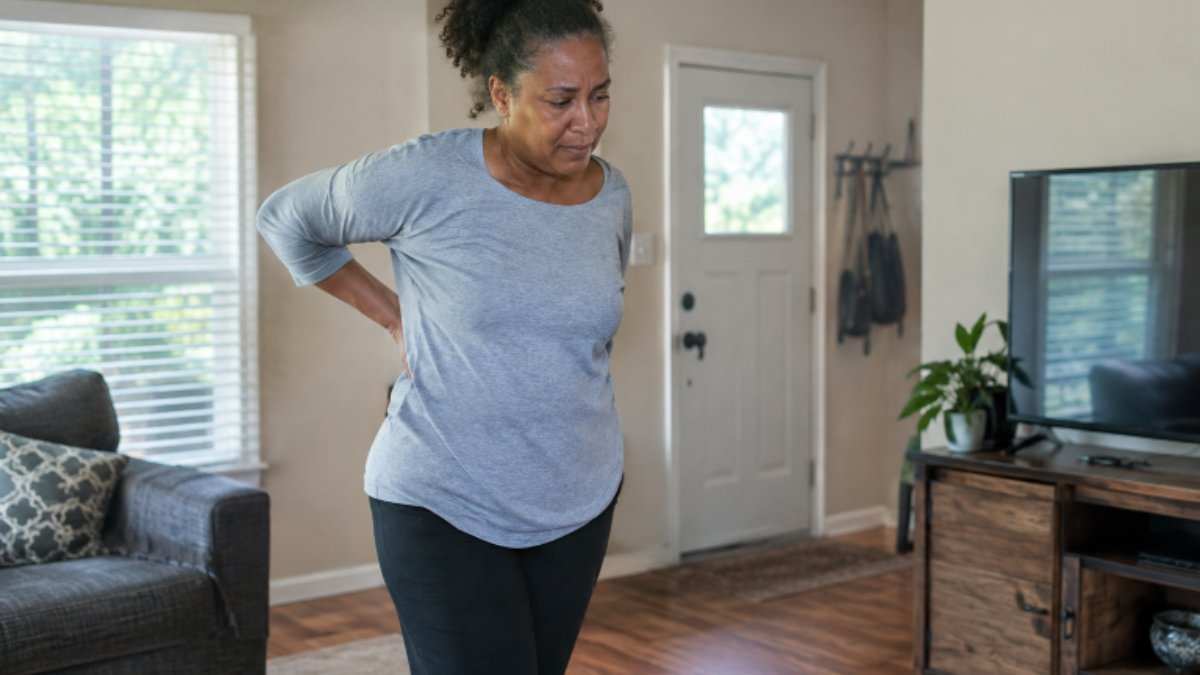
Back pain can make everyday Orange Park routines feel much harder, whether that means sitting through a commute, carrying groceries during a humid afternoon, working in the yard, or simply getting a restful night of sleep. A sore back after an unfamiliar activity may settle with conservative care, but pain that keeps returning or limits normal life deserves closer attention.
For people looking into back pain treatment Orange Park FL, Florida Pain Physicians is a North Florida pain-management and spine-care practice with an Orange Park location. Its board-certified physicians evaluate acute and chronic pain and offer a multidisciplinary approach that may include spine-focused care, physical therapy coordination, and, when appropriate, minimally invasive, non-surgical procedures. Local access can be especially helpful when symptoms require follow-up rather than a single visit.
Why Back Pain Can Linger
Back pain is often described by duration. Acute pain has been present for a short period, recurring pain improves and then returns, and chronic pain lasts longer or continues to interfere with function. Common contributors include a muscle strain, irritated joints, disc-related changes, nerve irritation, reduced conditioning, or movement habits that repeatedly load the same area. Pain intensity alone does not reliably show how serious the underlying issue is.
Recovery can also be influenced by poor sleep, stress, fear of movement, and prolonged inactivity. For example, someone may feel better after resting over a weekend but find that driving, standing at work, or unloading laundry brings the pain back. That pattern does not automatically point to one diagnosis, but it is useful information to share with a clinician.
First Steps at Home
For mild pain without warning signs, start with comfortable movement rather than extended bed rest. A few brief walks, regular position changes, and paced daily activity can help prevent stiffness. Heat or cold may offer short-term comfort, depending on what feels better. Stop any stretch or exercise that sharply increases pain, numbness, tingling, or weakness.
Over-the-counter medicines may be appropriate for some adults, but not for everyone. A pharmacist or other healthcare professional can help review potential interactions and risks associated with kidney disease, stomach ulcers, blood thinners, heart conditions, pregnancy, or other prescriptions. The current acute low back pain guidance emphasizes patient education, continued low-impact activity, and a stepwise approach for many people with uncomplicated symptoms.
When to Seek Professional Care
Schedule an Evaluation When:
- Pain lasts for several weeks, repeatedly returns, or is getting worse.
- Symptoms interfere with sleep, work, walking, exercise, or basic household tasks.
- Pain travels into the buttock, hip, or leg.
- Numbness, tingling, or weakness develops.
- Home care has not produced meaningful improvement.
- Pain started after a fall, collision, lifting event, or other injury.
Seek Urgent Medical Attention For:
- New loss of bladder or bowel control.
- Numbness in the groin, inner thighs, or saddle area.
- Rapidly worsening leg weakness.
- Back pain with fever, unexplained weight loss, or significant infection risk.
- Back pain after major trauma or in the setting of a history of cancer.
What a Back Pain Evaluation May Include
A thorough evaluation generally begins with the story behind the pain. A clinician may ask where it hurts, when it began, what triggers it, whether it travels, and how it affects sleep and activity. The physical examination may include checking movement, leg strength, reflexes, sensation, and balance. Previous injuries, surgeries, medications, work demands, and other health conditions also matter.
The purpose is not simply to order tests. It is to identify possible warning signs, understand the likely pain pattern, and decide on a sensible next step. The National Institute of Arthritis and Musculoskeletal and Skin Diseases notes that tingling, numbness, leg weakness, fever, trouble urinating, injury-related pain, and pain that does not improve are reasons to discuss back symptoms with a doctor.
Treatment Options to Discuss
There is no universal treatment for every sore back. Conservative care may include physical therapy, guided exercise, activity pacing, posture and lifting education, manual therapy, and adjustments to sleep or workstation setup. The goal is often to improve confidence and function gradually, not to force through severe pain.
Medication decisions should account for a person’s age, health history, other prescriptions, and potential side effects. Opioids are generally not the initial choice for uncomplicated acute low back pain. In selected cases, a pain specialist may discuss injections or other procedures with a specific purpose, such as reducing symptoms enough to support rehabilitation. Surgery can be considered for certain structural problems or progressive neurologic symptoms, but it is not automatically the next step when pain persists.
Questions About Imaging and Medication
Does Every Case Need an MRI?
No. Early imaging often does not change care for uncomplicated acute back pain. Imaging may be more useful when there are red flags, major injury, significant nerve symptoms, or persistent symptoms that could change the treatment plan.
Is Rest the Best Treatment?
Brief rest during a painful flare can feel helpful, but prolonged inactivity can make it harder to regain strength and mobility. A gradual return to tolerable movement is often a more practical goal.
Do Injections Cure Back Pain?
An injection may reduce symptoms for selected patients, but it does not address every cause of back pain. Ask what problem the procedure is intended to treat, how long improvement may last, and what rehabilitation or follow-up is recommended.
Local Coordinated Care
When pain affects daily life, continuity matters. A coordinated local plan can make it easier to monitor changes, adjust activity, consider rehabilitation, and decide whether additional testing or treatment is warranted. Keeping a simple record of symptoms, triggers, sleep disruption, medications, and what improves or worsens the pain can make follow-up visits more productive.
Questions to Ask at an Appointment
- What may be causing this pain pattern?
- Are there signs of nerve irritation or another condition that needs attention?
- What can I safely try before imaging or a procedure?
- What are the expected benefits, risks, and alternatives for each option?
- Which activities are safe right now?
- How will we measure progress, and when should I be reassessed?
- Which warning signs should prompt an urgent call?
A Practical Plan for Moving Forward
Back pain that does not improve should not be ignored, but it also does not always require an immediate scan or invasive treatment. Stay within safe activity limits, pay attention to warning signs, track how symptoms affect your life, and seek professional guidance when pain persists, worsens, or changes. The best plan is one that supports safety and steady progress toward the activities that matter most.
- What to Do When Back Pain Does Not Improve in Orange Park, FL
- How Real-Time Digital Characters Can Make Online Services More Human
- Responsible AI and Data Governance in Financial Services: A Practical Guide for the U.S. Virgin Islands
- How To Build A Strong Personal Injury Claim In Pennsylvania
- A Practical Safety Plan for Older Adults Living Alone
Key Takeaways Mild back pain often improves with time and [...]

Key Takeaways Real-time digital characters can make online guidance, training, [...]

Key Takeaways Reliable financial AI depends on accurate, traceable, well-permissioned [...]

Key Takeaways Put safety and medical care ahead of evidence [...]
Key Takeaways Living alone can be safe when daily routines, [...]
Atlanta patients often receive care from large hospital systems, neighborhood [...]
Diagnostic Precision and Risk Stratification in Modern Urology The foundation [...]

Key Takeaways A recurring SUV problem should be documented from [...]