

Primary biliary cirrhosis is the former name for what doctors now call primary biliary cholangitis, or PBC. The disease is a long-term autoimmune condition in which the body’s immune system gradually damages the small bile ducts inside the liver. Over time, bile can build up in the liver, causing inflammation, scarring, and eventually cirrhosis or liver failure.
For people with advanced PBC, a liver transplant can become a life-saving treatment. The good news is that people who receive a liver transplant because of PBC generally have very good long-term outcomes. However, deciding when to transplant is important. A person does not necessarily need a transplant simply because they have been diagnosed with PBC or even because they have cirrhosis.
Doctors usually consider liver transplantation when the liver has become decompensated, when complications become serious, when the risk of death without transplantation becomes significant, or in selected patients with severe symptoms that cannot be controlled with other treatments.
Another important point is that PBC can sometimes return in the transplanted liver. Modern research continues to study why this happens, how immunosuppressive medicines affect the risk, and whether treatments such as ursodeoxycholic acid can help reduce recurrence. Recent research published in 2026 continues to support the importance of long-term monitoring after transplantation.
This guide explains primary biliary cirrhosis liver transplant in simple language, including when transplantation is considered, how the evaluation works, MELD scores, the transplant waiting list, surgery, survival, complications, recurrence, medicines, diet, recovery, and questions patients commonly have.
What Is Primary Biliary Cirrhosis?
Primary biliary cirrhosis is the older name for primary biliary cholangitis, commonly abbreviated as PBC.
PBC is an autoimmune liver disease. The immune system mistakenly attacks the small bile ducts located within the liver. These ducts normally carry bile from the liver into larger bile ducts and eventually into the digestive system.
When the small bile ducts become damaged, bile does not move normally.
This can cause:
- Bile buildup
- Liver inflammation
- Damage to liver cells
- Fibrosis
- Cirrhosis
- Portal hypertension
- Liver failure
PBC usually develops slowly. Some people have few symptoms for many years, while others develop significant liver disease.
Common symptoms can include:
- Fatigue
- Itching
- Dry eyes
- Dry mouth
- Abdominal discomfort
- Jaundice
- Dark urine
- Pale stools
- Swelling in the legs
- Abdominal fluid buildup
- Weight or muscle loss
Not everyone with PBC progresses to liver failure. Modern treatment can slow disease progression and reduce the likelihood that transplantation will be needed.
Primary Biliary Cirrhosis vs. Primary Biliary Cholangitis
If you search for “primary biliary cirrhosis liver transplant,” you may see information using both names.
Primary biliary cirrhosis was renamed primary biliary cholangitis because many people are diagnosed before they develop cirrhosis.
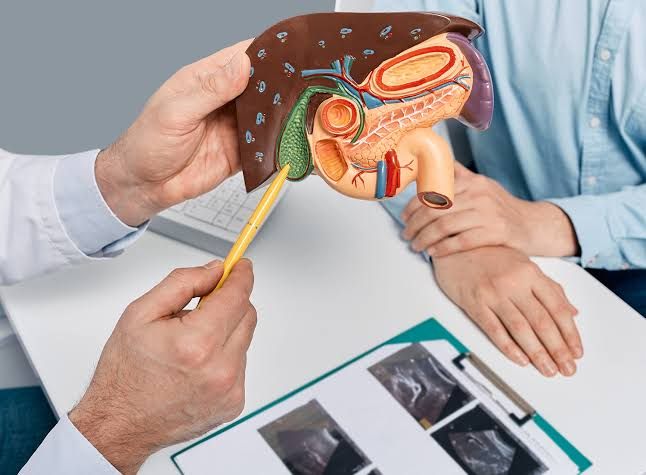
The older term remains common in searches, medical discussions, and older publications. Therefore, someone searching for primary biliary cirrhosis liver transplant is generally looking for information about liver transplantation for advanced PBC.
Also read:What Is a 21 Day Fatty Liver Diet Plan PDF? Foods, Meals, and Healthy Eating Tips
The important point is that PBC and primary biliary cirrhosis refer to the same underlying disease, with primary biliary cholangitis being the modern medical name.
Does Primary Biliary Cholangitis Require a Liver Transplant?
No.
Most people with PBC do not automatically need a liver transplant.
A diagnosis of PBC does not mean that liver failure is inevitable. Some people have mild disease that remains stable for many years. Others respond well to medical treatment and never develop advanced liver disease.
Liver transplantation is generally considered when PBC has progressed to advanced liver disease and the benefits of receiving a new liver are greater than the risks of transplantation.
The decision is individualized.
Doctors consider factors such as:
- Liver function
- MELD score
- Bilirubin level
- INR
- Creatinine
- Sodium
- Kidney function
- Ascites
- Variceal bleeding
- Hepatic encephalopathy
- Nutrition and muscle loss
- Repeated hospitalizations
- Overall health
- Heart and lung function
- Age and frailty
- Response to treatment
- Quality of life
This is why two people with the same diagnosis can receive very different treatment recommendations.
When Is Liver Transplant Considered for PBC?
One of the most important questions patients ask is when they should start thinking about a liver transplant.
Generally, transplantation becomes more relevant when PBC has caused decompensated cirrhosis or severe liver dysfunction.
Common signs of decompensation include ascites, variceal bleeding, and hepatic encephalopathy. Clinical guidance has also identified a MELD score around 15 or higher as an important point at which transplant evaluation should be considered, although the exact decision depends on the individual’s situation.
Ascites
Ascites means fluid has accumulated inside the abdomen.
Mild ascites may sometimes be controlled with medication and dietary sodium reduction. Difficult-to-control or recurrent ascites can be a sign that the liver disease has become advanced.
Variceal Bleeding
Portal hypertension can cause enlarged veins, called varices, in the esophagus or stomach.
These veins can rupture and cause serious internal bleeding.
A significant variceal bleeding episode can indicate advanced liver disease and may lead doctors to consider transplant evaluation.
Hepatic Encephalopathy
Hepatic encephalopathy occurs when severe liver dysfunction contributes to changes in brain function.
Symptoms may include:
- Confusion
- Sleep pattern changes
- Poor concentration
- Personality changes
- Memory problems
- Severe cases of reduced consciousness
Repeated episodes are particularly important when assessing transplant need.
Increasing Bilirubin
Bilirubin is a substance normally processed by the liver.
When liver function becomes severely impaired or bile flow is disrupted, bilirubin can rise.
High bilirubin may contribute to jaundice, which can cause yellow skin and yellowing of the whites of the eyes.
Severe, Difficult-to-Control Itching
Severe itching is an important feature of PBC.
In rare cases, itching becomes extremely difficult to control and seriously damages a person’s quality of life. Some clinical guidance recognizes severe, intractable pruritus as a special circumstance that can contribute to transplant consideration even when traditional measures of liver function do not fully capture the patient’s suffering.
However, this does not mean that everyone with PBC-related itching needs transplantation. Doctors first consider available treatments and carefully evaluate the entire clinical picture.
Why Early Liver Transplant Evaluation Can Matter
A common mistake is waiting until someone is critically ill before discussing transplantation.
Transplant evaluation itself takes time.
Patients may need:
- Blood tests
- Imaging
- Heart testing
- Lung testing
- Cancer screening
- Nutritional assessment
- Kidney evaluation
- Psychological assessment
- Medication review
- Social support assessment
- Financial and insurance planning
- Meetings with transplant specialists
Being evaluated does not mean that a person will immediately receive a liver transplant.
In many cases, evaluation simply gives the medical team enough information to determine whether transplantation should be considered now, later, or not at all.
This leads to an important practical insight: transplant evaluation and transplant surgery are two different steps.
A patient can be evaluated before becoming sick enough to require an immediate transplant.
How the MELD Score Affects Liver Transplant Decisions
The Model for End-Stage Liver Disease, commonly called MELD, is used in the United States to estimate the severity of advanced liver disease and help prioritize adults on the liver transplant waiting list.
The current MELD system has evolved over time.
Modern MELD calculations use laboratory information to estimate the risk of death from liver disease and help determine transplant priority.
Depending on the current version of the system and the patient’s circumstances, factors can include:
- Bilirubin
- INR
- Creatinine
- Sodium
- Albumin
- Age
- Sex
- Other transplant-related considerations
The exact calculation should be done by the transplant center rather than estimated from a general online formula.
Why MELD Is Not the Whole Story for PBC
PBC creates an important challenge.
A person’s quality of life and medical risk are not always perfectly represented by a single laboratory-based score.
For example, someone may have severe itching, muscle loss, portal hypertension, repeated complications, or other problems that deserve attention even when the MELD score does not appear extremely high.
Recent expert discussion of cholestatic liver diseases has highlighted the limitations of relying only on MELD-related measurements in conditions such as PBC and primary sclerosing cholangitis.
That is why transplant specialists look at the whole patient rather than one number.
What Happens During a Primary Biliary Cirrhosis Liver Transplant?
Liver transplantation involves removing the diseased liver and replacing it with a healthy donor liver.
The donor liver may come from:
- A deceased donor
- A living donor
The type of transplant available depends on medical circumstances, donor availability, transplant center practices, and the patient’s suitability.
During deceased-donor transplantation, the patient’s diseased liver is removed and the donor liver is placed in its position.
The surgeons then connect:
- Major blood vessels
- The portal vein
- Hepatic artery
- Hepatic veins
- Bile duct
The new liver must receive adequate blood flow immediately after transplantation.
The operation is complex and can take many hours.
After surgery, the patient is closely monitored in the hospital, often initially in an intensive care setting.
What Is Recovery Like After Liver Transplant?
Recovery is different for every patient.
Immediately after surgery, the medical team watches for:
- Bleeding
- Blood pressure problems
- Infection
- Kidney problems
- Liver function
- Blood clotting
- Rejection
- Bile duct complications
- Vascular complications
As the patient becomes stronger, the medical team gradually increases activity.
Walking is encouraged as soon as it is medically safe.
Hospital recovery can vary considerably depending on the person’s condition before surgery and whether complications occur.
After discharge, the patient continues frequent follow-up.
The first weeks and months are especially important because medication doses may need frequent adjustment.
Liver Transplant Survival for Primary Biliary Cholangitis
The outlook after transplantation for PBC is generally favorable.
Older clinical guidance has reported approximately 80% to 85% five-year survival after transplantation for PBC.
However, survival statistics should never be interpreted as a prediction for one individual.
Outcomes vary depending on:
- Age
- Overall health
- Kidney function
- Heart health
- Nutrition
- Infection risk
- Severity of liver disease
- Cancer history
- Cause of liver failure
- Transplant center experience
- Complications before or after surgery
Medical care has also changed over time, so older survival statistics may not fully represent the outcomes achieved by today’s transplant programs.
A person considering transplantation should ask the transplant center for current outcomes that match their age, diagnosis, and medical condition.
Can Primary Biliary Cholangitis Come Back After a Liver Transplant?
Yes.
This is one of the most important facts to understand about primary biliary cirrhosis liver transplant.
A transplant replaces the damaged liver, but it does not permanently remove the underlying autoimmune tendency that caused PBC.
As a result, PBC can recur in the transplanted liver.
A 2026 systematic review and meta-analysis involving 54 studies and 5,710 patients found a pooled prevalence of recurrent PBC of about 15%, although rates varied significantly between studies. The same analysis found that recurrence risk was influenced by factors including age at transplantation and the immunosuppressive regimen.
Another 2026 review reported that published recurrence rates have ranged broadly, approximately 17% to 46%, reflecting differences in study design, follow-up time, and how recurrence is diagnosed.
These numbers can look confusing.
The key lesson is that recurrence is possible, but it does not mean that the transplant has failed.
Many patients with recurrent PBC continue to have good liver function for years.
Why Can PBC Return After Transplant?
PBC is an autoimmune disease.
The transplant provides a new liver, but the person’s immune system remains their own.
The immune system may therefore develop an autoimmune response against the small bile ducts in the transplanted liver.
This is different from ordinary transplant rejection.
Rejection occurs when the immune system attacks the transplanted organ more broadly.
Recurrent PBC is specifically related to the return of the disease process.
Doctors therefore need to distinguish recurrent PBC from:
- Acute rejection
- Chronic rejection
- Bile duct obstruction
- Bile duct injury
- Vascular complications
- Medication effects
- Infection
- Other liver diseases
This distinction can require blood tests, imaging, and sometimes a liver biopsy.
Does a Positive AMA Mean PBC Has Returned?
Not necessarily.
Anti-mitochondrial antibodies, commonly called AMA, are strongly associated with PBC.
However, AMA can remain positive after transplantation even when PBC has not actually returned.
Therefore, a positive AMA test by itself is not enough to diagnose recurrent PBC. Histologic and biochemical findings may be needed, and doctors must rule out other causes of abnormal liver tests.
This is an important example of why transplant follow-up cannot be based on one laboratory result.
What Increases the Risk of Recurrent PBC?
Research has identified several possible factors.
These include:
- Younger age at transplantation
- Certain immunosuppressive regimens
- Cholestatic liver test abnormalities after transplantation
- Younger age at PBC diagnosis
Earlier large international research found that younger age and tacrolimus use were associated with a higher risk of recurrent PBC.
More recent research continues to examine this relationship.
A 2026 meta-analysis found an increased recurrence association with tacrolimus and lower recurrence risk in patients receiving cyclosporine or certain maintenance approaches.
However, this does not mean that every PBC transplant patient should automatically switch medications.
Tacrolimus and cyclosporine have different benefits, risks, side effects, and monitoring requirements.
The immunosuppressive plan must be individualized by the transplant team.
Can Ursodeoxycholic Acid Be Used After Liver Transplant?
Ursodeoxycholic acid, commonly called UDCA or ursodiol, is an established treatment for PBC.
Research has also examined its use after transplantation.
Studies have found that preventive UDCA after liver transplantation may reduce the risk of recurrent PBC and may improve long-term outcomes.
A 2025 review of transplantation for cholestatic liver diseases also described post-transplant UDCA use in PBC as beneficial.
However, patients should not start or stop UDCA on their own.
Also read:How to Measure Liver in Ultrasound? A Complete Guide to Liver Size, Technique, and Results
After transplantation, the medication plan must account for:
- Liver function
- Kidney function
- Immunosuppressive medicines
- Other prescriptions
- Drug interactions
- Side effects
- The patient’s transplant history
What Happened to Obeticholic Acid for PBC?
Patients researching older PBC information may encounter obeticholic acid, also known as OCA or by the brand name Ocaliva.
This is an area where older online articles can be misleading.
The FDA lists the accelerated approval for Ocaliva’s PBC indication as withdrawn on November 24, 2025.
Therefore, information published several years ago may describe OCA as an available treatment option in a way that is no longer current.
This is an important reason patients should use up-to-date information and confirm current treatment options with a hepatologist.
What Medicines Are Used Before Liver Transplant?
Treatment before transplantation is designed to slow liver disease, control symptoms, and manage complications.
UDCA is a major treatment for PBC.
Other medications may be used depending on the patient’s response and disease stage.
Doctors may also treat:
- Itching
- Osteoporosis
- Vitamin deficiencies
- Ascites
- Varices
- Encephalopathy
- High cholesterol when clinically appropriate
- Malnutrition
- Other autoimmune conditions
Treatment should be personalized.
A medication that is appropriate for one person may not be appropriate for another, especially when cirrhosis or kidney disease is present.
What Medicines Are Needed After Liver Transplant?
After transplantation, patients need immunosuppressive medicines to prevent the immune system from attacking the new liver.
Common immunosuppressive medicines include:
- Tacrolimus
- Cyclosporine
- Mycophenolate
- Corticosteroids
- Other transplant-specific medicines
Not everyone takes the same combination.
The transplant team may change doses over time.
This is because immunosuppressive medicines can cause significant side effects.
Possible problems include:
- Kidney damage
- High blood pressure
- Diabetes
- Tremors
- Infection
- High cholesterol
- Bone problems
- Increased risk of certain cancers
- Medication interactions
The goal is to use enough medicine to protect the liver while avoiding unnecessary toxicity.
Why Follow-Up Is So Important After Transplant
A liver transplant is not the end of medical care.
It is the beginning of a new long-term phase.
Patients usually need regular:
- Blood tests
- Liver function testing
- Kidney testing
- Drug-level monitoring
- Cancer screening
- Bone health monitoring
- Blood pressure checks
- Diabetes screening
- Medication reviews
The transplant team may also monitor for recurrent PBC.
A patient should report new symptoms instead of waiting for the next appointment.
Important symptoms can include:
- Yellow skin
- Dark urine
- New itching
- Abdominal swelling
- Fever
- Severe fatigue
- Confusion
- Vomiting
- Unusual bleeding
- Reduced urine
- Sudden abdominal pain
Nutrition Before a Liver Transplant
Nutrition can make a major difference in advanced liver disease.
People with cirrhosis can lose muscle even when they do not look extremely thin.
This condition is sometimes called sarcopenia.
A strong nutrition plan may focus on:
- Adequate protein
- Enough calories
- Vegetables
- Fruits
- Whole grains
- Healthy fats
- Appropriate sodium intake
- Smaller, more frequent meals when needed
Patients with ascites are often advised to limit sodium, but the exact dietary plan should come from the medical team.
One common mistake is eating too little because of poor appetite or fear of certain foods.
Severe liver disease can increase nutritional needs rather than reduce them.
A liver transplant dietitian can provide a plan based on the person’s weight, kidney function, fluid status, medications, and nutritional needs.
Diet After a Liver Transplant
After transplant, nutrition remains important.
The diet generally emphasizes:
- Fruits and vegetables
- Lean protein
- Whole grains
- Healthy fats
- Adequate fiber
- Appropriate calories
- Food safety
Because immunosuppressive medicines reduce immune activity, food safety becomes particularly important.
Patients may need to be especially careful with:
- Undercooked meat
- Raw eggs
- Unpasteurized dairy
- Unsafe seafood
- Poorly washed produce
- Foods stored at unsafe temperatures
The exact food restrictions can change over time.
The transplant center should provide the final instructions.
Exercise After Liver Transplant
Physical activity can help rebuild strength and improve cardiovascular health after transplantation.
However, exercise should begin gradually.
Early goals may include:
- Walking
- Gentle movement
- Physical therapy
- Light strengthening
Later, the patient may progress to more structured exercise.
Building muscle is particularly important for people who lost strength before transplantation.
Exercise should be discussed with the transplant team, especially during the early recovery period.
Can Someone Live a Normal Life After a Liver Transplant for PBC?
Many people are able to return to active and meaningful lives after liver transplantation.
They may eventually:
- Work
- Travel
- Exercise
- Spend time with family
- Drive
- Participate in hobbies
- Eat a broad range of foods
- Return to many normal daily activities
However, life after transplantation is not identical to life without a transplant.
Patients still need lifelong medical follow-up and immunosuppressive medication.
The most useful way to think about transplantation is not as a complete return to the old normal, but as an opportunity to establish a healthier new normal.
Pregnancy After Liver Transplant for PBC
Pregnancy may be possible after liver transplantation.
However, it requires careful planning.
Some transplant medicines can be harmful during pregnancy.
Therefore, someone who wants to become pregnant should discuss the plan with:
- Transplant specialists
- Hepatologists
- Obstetric specialists
- Medication specialists when needed
Medication changes should be made before pregnancy rather than after conception whenever possible.
The timing of pregnancy should be individualized based on liver function, transplant stability, medications, and overall health.
Can a Living Donor Liver Be Used for PBC?
Yes.
Living donor liver transplantation can be an option for selected patients.
A living donor gives part of their liver to the recipient.
The liver has a remarkable ability to regenerate, allowing the remaining liver tissue in the donor and transplanted portion in the recipient to grow.
Living donation can potentially reduce waiting time for some patients.
However, it is major surgery for the donor and recipient.
A potential donor undergoes a detailed medical and psychological evaluation.
The donor’s safety is a major priority.
What Are the Risks of Liver Transplant Surgery?
Liver transplantation can save lives, but it is major surgery.
Potential complications include:
- Bleeding
- Infection
- Blood clots
- Bile duct problems
- Blood vessel problems
- Rejection
- Kidney injury
- Medication side effects
- Primary graft dysfunction
- Need for additional procedures
- Rarely, death
Long-term risks can include:
- Chronic kidney disease
- Diabetes
- High blood pressure
- Cardiovascular disease
- Cancer
- Bone disease
- Recurrent PBC
The transplant team evaluates these risks against the risks of continuing to live with advanced liver disease.
What Happens If PBC Recurs in the Transplanted Liver?
Recurrence does not automatically mean that another transplant is needed.
Doctors first determine how significant the recurrence is.
They may monitor:
- Liver enzymes
- Bilirubin
- Alkaline phosphatase
- Symptoms
- Imaging
- Liver biopsy findings
- Overall graft function
Treatment can depend on the severity of recurrence and the patient’s complete medical history.
UDCA may be used after transplantation in appropriate patients.
The important point is that recurrent PBC can often be monitored for a long period before it becomes a major threat to the transplanted liver.
Does Recurrent PBC Mean the Transplant Will Fail?
No.
This is one of the most important distinctions for patients.
PBC recurrence and transplant failure are not the same thing.
Research has shown that recurrent PBC can be associated with worse graft outcomes in some cohorts, but the clinical effect varies. A 2019 large international study found recurrence was associated with increased risk of graft loss and death, while a 2026 meta-analysis did not find a statistically significant association with overall survival across its pooled studies.
This difference shows why patients should be careful with simple statements such as “PBC always comes back and causes transplant failure.”
The actual picture is more complicated.
Recurrence is possible.
Its severity varies.
Its impact depends on many factors.
And modern transplant medicine continues to improve long-term management.
How Long Can a Transplanted Liver Last?
There is no single expiration date for a transplanted liver.
Some transplanted livers function well for decades.
Longevity depends on:
- Patient age
- Donor factors
- Liver health
- Rejection
- Medication adherence
- Kidney health
- Cardiovascular health
- Infection
- Cancer
- Recurrent disease
- Bile duct complications
- Lifestyle
- Quality of follow-up care
The best protection for a transplanted liver is consistent medical care.
Why Medication Adherence Matters So Much
One of the most preventable causes of transplant problems is failure to take immunosuppressive medication correctly.
Skipping doses can allow the immune system to attack the transplanted liver.

Patients should:
- Take medicines at the prescribed time
- Avoid changing doses themselves
- Refill prescriptions before they run out
- Tell doctors about the transplant
- Check before starting new medicines
- Ask before using supplements
- Keep an updated medication list
Even medicines that seem harmless can interact with transplant medications.
What Should Patients Ask a Liver Transplant Center?
A transplant consultation can feel overwhelming.
Writing questions down beforehand can help.
Useful questions include:
About Timing
“Am I sick enough to need a transplant evaluation?”
“What signs would make transplantation more urgent?”
“How often should my liver disease be reassessed?”
About MELD
“What is my current MELD score?”
“How does my score affect transplant priority?”
“Are there complications that my MELD score does not fully capture?”
About Surgery
“Am I a candidate for deceased-donor transplantation?”
“Could living donor transplantation be appropriate?”
“What complications are most important in my case?”
About Recovery
“How long might I remain in the hospital?”
“When could I return to work?”
“When can I exercise?”
About Long-Term Care
“Which immunosuppressive medicines would I likely need?”
“How will you monitor for recurrent PBC?”
“Should I take UDCA after transplantation?”
“What symptoms should make me call the transplant team?”
These questions can make the transplant process easier to understand.
Common Mistakes People Make When Researching PBC Liver Transplant
Mistake 1: Assuming PBC Automatically Means Transplant
It does not.
Many patients with PBC remain stable for years with appropriate medical care.
Mistake 2: Waiting Until Liver Failure Is Severe
Transplant evaluation can take time.
Discussing transplantation early enough can provide more options.
Mistake 3: Looking Only at the MELD Score
MELD is important, but it does not capture every aspect of PBC.
Symptoms, complications, frailty, nutrition, and overall health also matter.
Mistake 4: Believing Recurrence Means the Transplant Failed
Recurrence can happen without immediate transplant failure.
It requires careful assessment and monitoring.
Mistake 5: Using Old PBC Treatment Information
Treatment recommendations change.
For example, older articles may still describe Ocaliva as an approved PBC treatment, but the FDA records withdrawal of that accelerated indication in November 2025.
Mistake 6: Stopping Medicine When You Feel Better
After transplantation, feeling healthy does not mean immunosuppressive treatment is no longer needed.
Medication should only be changed under medical supervision.
Primary Biliary Cirrhosis Liver Transplant: A Practical Timeline
Although every patient is different, the general process may look like this.
Also read:What Causes Fatty Liver Disease? Causes, Risk Factors, Symptoms, and Prevention
Stage 1: PBC Diagnosis
The patient is diagnosed with primary biliary cholangitis.
Treatment begins based on disease severity and response.
Stage 2: Long-Term Monitoring
Doctors monitor liver tests, symptoms, fibrosis, complications, and response to therapy.
Stage 3: Advanced Disease
The patient develops signs of significant liver damage or complications.
Transplantation becomes part of the discussion.
Stage 4: Transplant Evaluation
A transplant center performs detailed testing to determine whether transplantation is appropriate.
Stage 5: Listing and Waiting
If approved, the patient may be placed on the transplant waiting list according to applicable allocation rules and medical urgency.
Stage 6: Transplant Surgery
A donor liver is transplanted.
Stage 7: Early Recovery
The patient receives intensive monitoring and immunosuppressive treatment.
Stage 8: Long-Term Follow-Up
Regular blood tests, medication management, screening, and monitoring continue for life.
Stage 9: Monitoring for Recurrent PBC
Doctors watch for signs that PBC may have returned.
This timeline helps show that transplantation is not a single event. It is a long medical journey.
The Most Important Long-Term Goal After Transplant
The goal is not simply to survive the surgery.
The larger goal is to protect the transplanted liver for as many years as possible while helping the patient live a healthy life.
That means:
- Taking medicines correctly
- Attending appointments
- Monitoring blood tests
- Maintaining a healthy weight
- Building muscle
- Eating a balanced diet
- Avoiding unsafe supplements
- Managing blood pressure
- Managing diabetes when present
- Avoiding tobacco
- Following cancer screening recommendations
- Reporting symptoms early
These everyday actions can be just as important as the transplant operation itself.
Primary Biliary Cirrhosis Liver Transplant: What Patients Should Remember
The phrase “primary biliary cirrhosis liver transplant” can sound frightening, but transplantation is an established treatment for advanced PBC.
The most important points are simple.
PBC does not automatically mean that a person needs a transplant.
Transplant evaluation is generally considered when liver disease becomes advanced, especially with decompensated cirrhosis or significant complications.
MELD is an important part of transplant assessment, but doctors should consider the entire clinical picture.
Liver transplantation for PBC generally has favorable outcomes.
PBC can return in the transplanted liver, but recurrence does not automatically mean transplant failure.
Long-term monitoring is essential.
UDCA may have an important role after transplantation in appropriate patients.
Immunosuppressive medicines must be taken exactly as prescribed.
And treatment information should be checked against current medical guidance because PBC therapies and transplant practices continue to evolve.
Final Thoughts
Primary biliary cirrhosis liver transplant is not simply a treatment for a damaged liver. It is a carefully planned process that begins long before surgery and continues for the rest of a patient’s life. For people with advanced PBC, transplantation can offer a major improvement in survival and quality of life. The decision depends on liver function, complications, MELD score, symptoms, overall health, and transplant-center assessment. Modern evidence also shows why long-term follow-up matters: PBC can recur after transplantation, but recurrence varies in severity and does not automatically mean that the new liver will fail. The best approach is to work closely with a hepatologist and transplant team, keep medications consistent, maintain good nutrition and physical strength, and treat new symptoms early.
Frequently Asked Questions
Is liver transplant a cure for primary biliary cholangitis?
A liver transplant replaces the severely damaged liver and can treat the liver failure caused by advanced PBC. However, because PBC is an autoimmune disease, it can recur in the transplanted liver. Therefore, transplantation is best described as a life-saving treatment for advanced liver disease rather than a guaranteed permanent cure for the underlying autoimmune tendency.
Can someone with PBC get a liver transplant even if their MELD score is not very high?
In some circumstances, transplant evaluation may still be appropriate even when the MELD score does not appear extremely high. PBC can cause severe symptoms and complications that are not perfectly reflected by MELD. The transplant team considers the complete medical picture, including complications, nutrition, frailty, symptoms, and overall prognosis.
Can a person with PBC receive a second liver transplant if the disease returns?
In selected circumstances, repeat transplantation may be possible. However, it is a complex decision that depends on the patient’s overall health, function of the transplanted liver, severity of recurrent disease, other medical problems, and transplant-center assessment. Recurrence of PBC alone does not automatically mean another transplant is required.
Does PBC affect the donor liver?
The donor liver itself does not come from the recipient’s original diseased liver. However, because PBC is an autoimmune condition, the disease process can potentially develop again in the transplanted liver. This is why lifelong follow-up is necessary even when the new liver initially works very well.
How can someone prepare for a possible liver transplant?
Preparation should begin with the transplant and liver specialists. Patients can improve their readiness by taking prescribed medicines correctly, maintaining good nutrition, staying physically active when medically safe, avoiding alcohol and unapproved supplements, keeping vaccinations and screenings current, learning about the transplant process, and identifying reliable family or caregiver support. Early preparation can make the transplant journey easier to manage.

Key Takeaways Reliable financial AI depends on accurate, traceable, well-permissioned [...]

Key Takeaways Put safety and medical care ahead of evidence [...]

Key Takeaways Living alone can be safe when daily routines, [...]
Atlanta patients often receive care from large hospital systems, neighborhood [...]
Diagnostic Precision and Risk Stratification in Modern Urology The foundation [...]

Key Takeaways A recurring SUV problem should be documented from [...]

A printed guide succeeds when it helps someone complete a [...]

Key Takeaways An arrest or citation is an allegation, not [...]