
If you are searching for liver biopsy Marietta, you may be trying to understand what a liver biopsy is, why your doctor recommended one, where the procedure may be performed, how much discomfort to expect, or what happens after the test.
A liver biopsy is a medical procedure used to remove a very small sample of liver tissue so that a pathologist can examine it under a microscope. The test can help doctors understand what is happening inside the liver when blood tests, ultrasound, CT scans, MRI, or other tests do not provide the complete answer.
A liver biopsy is not needed for every person with liver disease. Modern medicine has many noninvasive tests that can estimate liver inflammation and fibrosis. However, biopsy remains useful in selected situations, including when the diagnosis is uncertain, when doctors need more detailed information about liver damage, or when tissue testing could change treatment.
For people looking for liver biopsy Marietta, the most important step is not simply finding a location. It is finding the right medical team for the reason the biopsy has been recommended. Depending on the situation, a gastroenterologist, hepatologist, interventional radiologist, surgeon, or another specialist may be involved.
This guide explains liver biopsy in straightforward language, including why it is performed, different biopsy methods, preparation, what happens during the procedure, pain and recovery, possible risks, results, costs, insurance questions, and what patients in the Marietta, Georgia area should consider before scheduling the procedure.
What Is a Liver Biopsy?
A liver biopsy removes a small piece of liver tissue for laboratory examination.
The sample is sent to a pathology laboratory, where a pathologist examines the tissue under a microscope. The goal is to look for patterns of inflammation, fibrosis, scarring, infection, abnormal cells, cancer, or other changes.
According to the National Institute of Diabetes and Digestive and Kidney Diseases, liver biopsy can help doctors diagnose liver disease, determine the severity of liver damage, guide treatment decisions, and evaluate how a treatment is working.
A biopsy provides information that blood tests and imaging cannot always provide.
For example, a blood test may show that liver enzymes are elevated. An ultrasound may show that the liver looks abnormal. A biopsy can sometimes provide a more detailed explanation of the actual changes occurring inside liver tissue.
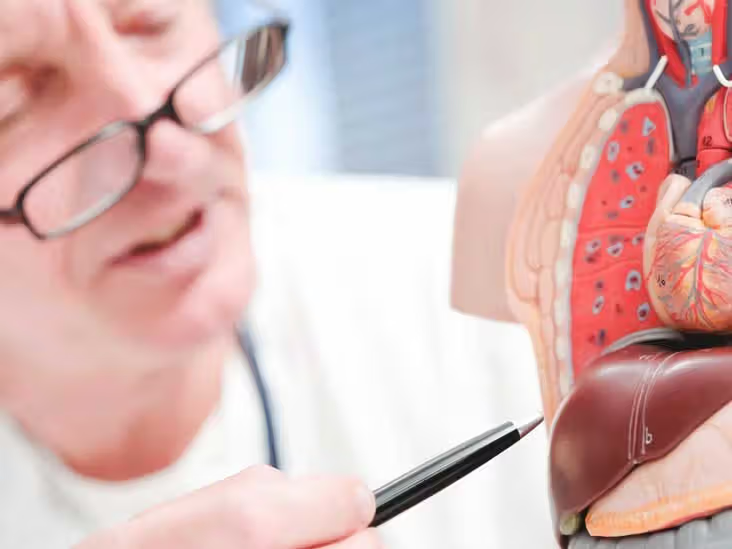
However, a biopsy is an invasive procedure, so doctors generally consider whether the information gained from the biopsy is important enough to justify the procedure.
Also read:What Is a 21 Day Fatty Liver Diet Plan PDF? Foods, Meals, and Healthy Eating Tips
Why Might Someone Need a Liver Biopsy in Marietta?
Doctors may recommend a liver biopsy for several different reasons.
One common reason is unexplained abnormal liver tests.
If ALT, AST, alkaline phosphatase, bilirubin, or other liver-related tests remain abnormal and noninvasive testing does not explain why, a biopsy may provide additional information.
Another reason is to determine how much damage a chronic liver disease has caused.
Liver biopsy may help evaluate conditions such as:
- Metabolic dysfunction-associated steatotic liver disease
- Metabolic dysfunction-associated steatohepatitis
- Chronic hepatitis B
- Chronic hepatitis C
- Autoimmune hepatitis
- Primary biliary cholangitis
- Primary sclerosing cholangitis
- Certain medication-related liver injuries
- Some inherited liver disorders
- Certain liver infections
- Some liver tumors or abnormal lesions
The American College of Gastroenterology explains that liver biopsy can help identify the cause and severity of liver disease and assist with treatment and prognosis when blood and imaging tests do not provide the full picture.
Is a Liver Biopsy Always Necessary?
No.
This is one of the most important things to understand before searching for a liver biopsy Marietta provider.
Liver medicine has changed significantly over the past several years.
Doctors now have access to several noninvasive methods for evaluating liver fibrosis. These may include blood-based fibrosis scores, elastography, FibroScan-type testing, ultrasound, CT, MRI, and other specialized tests.
Because these options can sometimes provide enough information, some patients who would previously have needed a biopsy may no longer require one.
The American Association for the Study of Liver Diseases notes that noninvasive tests may replace liver histology for assessing the severity of fibrosis in some situations.
That does not make liver biopsy outdated.
Instead, it means that a modern liver specialist should ask a practical question:
Will the biopsy result change what we do next?
If the answer is yes, a biopsy may be valuable.
If the answer is no, a less invasive test may sometimes be a better choice.
Liver Biopsy Marietta: Finding the Right Type of Care
When people search for liver biopsy Marietta, they may assume that every gastroenterology office performs the procedure in the same way.
That is not necessarily true.
Some doctors perform or arrange liver biopsies through a hospital, outpatient procedure center, imaging department, or interventional radiology service.
For example, gastroenterology services are available in the Marietta area, including offices listed by Piedmont and other regional medical organizations.
GI Specialists of Georgia also lists a Marietta location and provides liver-related gastroenterology care in the Northwest Atlanta region.
A Marietta-area patient should therefore ask the physician’s office:
“Where will my liver biopsy actually be performed?”
That question matters because the office where you meet your doctor may not be the same place where the biopsy takes place.
What Conditions Can a Liver Biopsy Help Diagnose?
A liver biopsy can provide information about many liver conditions.
Fatty Liver Disease
Fatty liver disease is now commonly discussed using the terms metabolic dysfunction-associated steatotic liver disease, or MASLD, and metabolic dysfunction-associated steatohepatitis, or MASH.
A biopsy may help determine whether there is significant inflammation or fibrosis in selected patients.
It can be particularly useful when doctors need to distinguish between different causes of liver injury or determine the severity of disease when noninvasive tests do not provide enough information.
Autoimmune Hepatitis
Autoimmune hepatitis occurs when the immune system attacks liver cells.
Blood tests can provide important clues, but a biopsy may help confirm the diagnosis and assess the pattern and severity of liver inflammation.
Viral Hepatitis
People with chronic hepatitis B or hepatitis C may undergo extensive blood and imaging testing.
In selected cases, a biopsy can provide additional information about inflammation and fibrosis.
Modern antiviral treatments have reduced the need for biopsy in many patients with viral hepatitis, but biopsy can still have a role in complicated or uncertain cases.
Primary Biliary Cholangitis
Primary biliary cholangitis, formerly called primary biliary cirrhosis, is a chronic autoimmune disease affecting the small bile ducts.
A liver biopsy may sometimes be used when the diagnosis is uncertain or when another liver condition is suspected.
Drug-Induced Liver Injury
Certain medications, supplements, and herbal products can injure the liver.
If the cause is unclear, a biopsy may sometimes help doctors understand the pattern of injury.
Liver Lesions
If imaging identifies an abnormal area in the liver, tissue sampling may sometimes be necessary.
However, not every liver lesion requires a biopsy. Some can be diagnosed through characteristic imaging findings alone.
The safest approach is to let a specialist determine whether tissue sampling is appropriate.
What Are the Different Types of Liver Biopsy?
There is more than one way to obtain liver tissue.
The three major approaches include percutaneous biopsy, transjugular biopsy, and laparoscopic or surgical biopsy.
The choice depends on the patient’s health, the reason for the biopsy, bleeding risk, anatomy, presence of ascites, and whether a specific liver lesion needs to be targeted.
Percutaneous Liver Biopsy
Percutaneous liver biopsy is the most common type.
The doctor places a needle through the skin and into the liver to obtain a tissue sample.
The needle is usually inserted through the right upper abdomen.
Ultrasound or another imaging method may be used to help guide the needle safely.
A local anesthetic is used to numb the area.
You may feel a brief sting from the numbing medicine, followed by pressure as the biopsy needle is positioned.
The National Institute of Diabetes and Digestive and Kidney Diseases identifies percutaneous biopsy as one of the standard methods for obtaining liver tissue.
Image-Guided Liver Biopsy
Image guidance can make the procedure more precise.
Ultrasound is commonly used because it allows the physician to see the liver and surrounding structures during the procedure.
CT guidance may also be used in selected circumstances.
Image-guided biopsy is particularly useful when the doctor needs to target a specific abnormal area.
RadiologyInfo explains that liver biopsy can be performed using imaging guidance and that ultrasound or CT may help identify the safest location for needle placement.
Transjugular Liver Biopsy
A transjugular liver biopsy uses a different route.
Instead of inserting the biopsy needle directly through the abdomen, the doctor enters a vein in the neck and guides a thin catheter through the blood vessels toward the liver.
The tissue sample is then taken through the catheter.
This approach can be useful for some patients who have an increased bleeding risk, significant ascites, or other circumstances that make a traditional percutaneous biopsy less suitable.
The American Association for the Study of Liver Diseases and other medical references recognize transjugular biopsy as an alternative technique in selected patients.
Laparoscopic or Surgical Liver Biopsy
A laparoscopic biopsy uses small abdominal incisions and a camera.
This method is less common as a stand-alone liver biopsy but may be used when the patient is already undergoing another surgical procedure.
The biopsy approach is selected based on the patient’s individual circumstances.
How Should You Prepare for a Liver Biopsy?
Preparation depends on the type of biopsy and the facility performing it.
Your doctor may ask you to complete blood tests before the procedure.
These tests can check how well your blood clots.
This matters because liver disease can sometimes affect the body’s ability to control bleeding.
You should also provide a complete list of everything you take.
This includes:
- Prescription medications
- Aspirin
- Ibuprofen
- Naproxen
- Blood thinners
- Vitamins
- Herbal supplements
- Dietary supplements
- Over-the-counter medicines
Do not stop a blood thinner on your own.
Your doctor will tell you whether a medicine needs to be temporarily stopped and exactly when it should be stopped.
NIDDK specifically advises patients to discuss aspirin, blood thinners, NSAIDs, supplements, and other medications with their healthcare provider before liver biopsy.
Do You Need to Fast Before a Liver Biopsy?
You may.
Fasting instructions vary depending on the procedure and whether sedation will be used.
Some facilities may ask you not to eat or drink for several hours before the biopsy.
Other situations may have different instructions.
Do not rely on general information from the internet when preparing for your procedure.
Follow the instructions given by the medical team performing your biopsy.
RadiologyInfo notes that fasting for several hours may be required, while NIDDK explains that instructions can vary according to the type of biopsy.
Should You Have Someone Drive You Home?
Usually, yes, especially if sedation is used.
You may feel tired or less alert after the procedure.
Even if you feel fine, sedating medicines can affect reaction time and judgment.
Arrange transportation before your appointment.
If your medical team gives you special instructions about staying with someone after the procedure, follow those instructions.
What Happens on the Day of a Liver Biopsy?
If you are having a liver biopsy in Marietta, knowing what happens on the day of the procedure can help you feel more prepared. The exact process can vary depending on the type of biopsy, the medical facility, and whether sedation is used, but the general steps are similar.
When you arrive, you will check in and complete any necessary paperwork. A nurse or other healthcare professional will review your medical history, allergies, medications, and any instructions you received before the procedure.
Your vital signs may also be checked. These can include your blood pressure, heart rate, breathing, and oxygen level. Your healthcare team may also review recent blood tests, especially tests related to blood clotting.
If sedation or other medication is planned, an IV may be placed. Your doctor will explain what medications you will receive and what you may feel during the procedure.
You will then be taken to the procedure room and positioned so the doctor can safely access your liver. The area where the biopsy will be performed is cleaned to reduce the risk of infection.
Next, the doctor uses a local anesthetic to numb the skin and the tissues underneath it. You may feel a brief pinch or burning sensation when the numbing medicine is injected.
Once the area is numb, the doctor may use ultrasound or another imaging method to locate the appropriate area of the liver. Imaging can help the doctor guide the biopsy needle accurately and safely.
You will usually need to remain still during the procedure. You may also be asked to hold your breath for a few seconds while the needle is inserted because this helps keep the liver in a stable position.
The biopsy needle is then used to remove a small sample of liver tissue. The sample is placed in a container and sent to a pathology laboratory for examination.
After the needle is removed, the doctor or nurse may apply pressure to the biopsy site and cover it with a small bandage.
The actual biopsy may take only a short amount of time, but your entire visit can take longer because you need time for preparation and recovery.
Before leaving, your healthcare team will explain what you should and should not do during recovery. If sedation was used, you will usually need someone to drive you home.
Does a Liver Biopsy Hurt?
One of the most common questions people have before a liver biopsy is, “Will it hurt?”
Most patients experience some discomfort, but local anesthesia is used to reduce pain during the procedure. Your experience can depend on your individual pain sensitivity, the type of biopsy, and whether sedation is used.
The local anesthetic may cause a short-lived stinging or burning sensation when it is injected. Once the area becomes numb, you may mainly feel pressure or movement rather than sharp pain.
After the procedure, some people experience mild soreness or a dull ache in the upper right side of the abdomen. You may also notice discomfort that extends toward the right shoulder. This can happen because the liver is located near the diaphragm, and irritation in this area can sometimes cause referred shoulder pain.
RadiologyInfo explains that patients may feel a brief pinching or burning sensation from the local anesthetic and pressure during the biopsy.
Everyone experiences pain differently. If you are nervous about the procedure or have a low tolerance for pain, tell your healthcare team before the biopsy. They can explain the available pain-control and sedation options that are appropriate for you.
Some mild discomfort after a liver biopsy can be normal. However, severe or worsening pain is not something you should simply ignore. Follow the instructions given by your doctor about when to call the medical team or seek urgent medical care.
What Happens After a Liver Biopsy?
After the biopsy is complete, you will usually spend some time in a recovery area. This allows the healthcare team to make sure you are stable before you leave.
Depending on your procedure and medical condition, the team may monitor your:
- Blood pressure
- Heart rate
- Breathing
- Oxygen level
- Pain
- Biopsy site
- Signs of bleeding
- Overall condition
If you received sedation, you may need to remain at the facility longer while the medication wears off.
Many liver biopsies are performed on an outpatient basis, which means you may be able to go home the same day. However, some patients require longer observation or an overnight stay depending on their health, the type of biopsy, or whether any concerns develop.
Before you leave, you should receive instructions about caring for the biopsy site and returning to normal activities.
Your instructions may cover:
- When you can eat and drink normally
- Which medications you should take
- Whether any medications should be temporarily avoided
- How to care for the biopsy site
- When you can shower or bathe
- When you can drive
- When you can return to work
- When you can exercise
- How much weight you can safely lift
- When you should expect your results
- Who to contact if you have concerns
If you received sedation, arrange for someone to drive you home. Do not drive yourself unless your healthcare provider specifically confirms that it is safe.
Once you are home, rest and follow your doctor’s activity instructions. NIDDK notes that patients may be advised to avoid strenuous activity and heavy lifting for a period after a liver biopsy.
Mild soreness may occur during recovery. However, severe abdominal pain, significant bleeding, difficulty breathing, fainting, fever, or other serious symptoms require prompt medical attention.
The recovery experience is not exactly the same for everyone. Your own healthcare team should provide the final instructions because they know which biopsy technique was used and understand your individual medical history.
How Long Does Liver Biopsy Recovery Take?
Recovery is usually relatively short, but you should not assume that you can immediately return to strenuous activity.
Doctors often recommend avoiding heavy lifting and intense physical activity for a period after the procedure.
NIDDK states that doctors often recommend avoiding intense activity and heavy lifting for up to one week, although individual instructions can differ.
Your own physician’s instructions should take priority.
A person who feels good the next morning should still follow the recommended activity restrictions.
What Should You Eat After a Liver Biopsy?
There is usually no special “liver biopsy diet.”
Your medical team may allow you to return to normal eating after the procedure, depending on the type of biopsy and sedation.
If you have another liver condition, however, your doctor may already have given you specific dietary instructions.
For example, someone with cirrhosis may have different nutrition needs from someone who has a temporary abnormal liver test.
The biopsy itself does not mean that you need to begin a special detox diet.
Avoid unapproved supplements marketed as liver cleanses unless your healthcare provider specifically recommends them.
Some supplements can actually cause liver injury.
What Are the Risks of a Liver Biopsy?
A liver biopsy is generally considered a safe procedure when performed by appropriately trained medical professionals, but no invasive procedure is completely risk-free.
Possible complications include:
- Pain
- Bleeding
- Infection
- Injury to nearby organs
- Bile leakage
- Reaction to medications
- Rare breathing or lung complications
Bleeding is one of the complications doctors are particularly concerned about.
The overall risk depends on the biopsy method and the patient’s health.
RadiologyInfo states that internal bleeding is uncommon but can occur and that infection and injury to nearby structures are possible complications.
When Should You Call a Doctor After a Liver Biopsy?
You should receive specific emergency instructions before leaving the facility.
Seek medical attention promptly if you develop concerning symptoms such as:
- Severe or worsening abdominal pain
- Heavy bleeding
- Fainting
- Severe dizziness
- Trouble breathing
- Fever
- Chills
- Increasing weakness
- A rapidly enlarging or painful swelling at the biopsy site
Do not wait for your next routine appointment if you develop severe symptoms after the procedure.
Your discharge instructions should include the appropriate phone number for your medical team and guidance about when to seek emergency care.
How Long Does It Take to Get Liver Biopsy Results?
The tissue must be processed and examined by a pathologist.
Results are commonly available within several days, although the exact timing varies.
Some cases may require special stains, additional testing, or expert review.
RadiologyInfo notes that results are commonly available to the physician within about a week, while NIDDK states that results typically take a few days or longer.
A delay does not automatically mean that something serious was found.
Sometimes pathology simply requires additional laboratory work.
Who Reads a Liver Biopsy?
A pathologist examines the tissue.
Pathologists are physicians trained to diagnose disease by examining tissue, cells, blood, and other laboratory specimens.
The pathologist prepares a report that is sent to the doctor who ordered the biopsy.
The treating physician then combines the pathology findings with:
- Medical history
- Blood tests
- Imaging
- Symptoms
- Medication history
- Other diagnostic results
This combination is important.
A biopsy report should not be interpreted in isolation.
What Can a Liver Biopsy Report Show?
A liver biopsy report can contain medical terms that seem confusing.
Depending on the reason for the procedure, the report may describe:
- Inflammation
- Fibrosis
- Cirrhosis
- Fat accumulation
- Steatohepatitis
- Bile duct injury
- Iron accumulation
- Copper-related changes
- Granulomas
- Cancer cells
- Other microscopic findings
What Does Fibrosis Mean?
Fibrosis means scar tissue has developed in the liver.
Fibrosis can range from mild to advanced.
Severe fibrosis can eventually lead to cirrhosis.
What Does Cirrhosis Mean?
Cirrhosis is advanced scarring that changes the structure and function of the liver.
Not everyone with fibrosis has cirrhosis.
A biopsy may help determine the extent of scarring when tissue evaluation is appropriate.
Can a Liver Biopsy Detect Cancer?
A liver biopsy can sometimes help diagnose cancer by examining cells from an abnormal lesion.
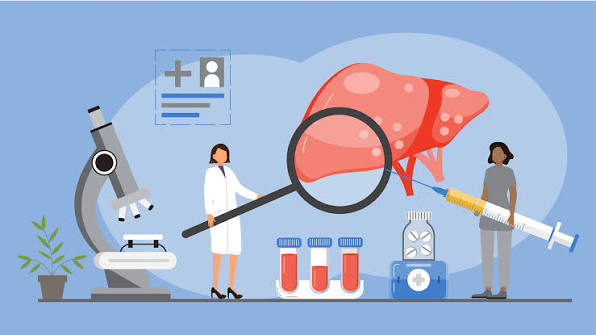
However, biopsy is not automatically needed for every suspected liver tumor.
Certain liver cancers can sometimes be diagnosed based on characteristic imaging findings and blood tests.
The decision depends on the type of lesion and the patient’s clinical situation.
If your doctor recommends a biopsy because of a liver mass, ask what information the biopsy is expected to provide and whether other imaging tests have already been considered.
Liver Biopsy vs. FibroScan
Liver biopsy and FibroScan are different tests. FibroScan is a simple, noninvasive test that uses ultrasound technology to measure liver stiffness and estimate liver fat. A liver biopsy removes a small piece of liver tissue for examination under a microscope. FibroScan is often useful for checking and monitoring liver fibrosis, while a biopsy may be needed when doctors require more detailed information about liver inflammation, scarring, or the cause of liver disease.
Liver Biopsy vs. MRI
MRI creates detailed images of the liver without removing tissue. It can help doctors examine liver fat, blood vessels, bile ducts, and abnormal areas or lesions. A liver biopsy provides something MRI cannot: an actual tissue sample that can be examined under a microscope. Your doctor may recommend a biopsy when imaging and blood tests do not provide enough information to make a diagnosis or guide treatment.
Also read:How to Measure Liver in Ultrasound? A Complete Guide to Liver Size, Technique, and Results
Liver Biopsy vs. Blood Tests
Blood tests are usually the first step in investigating many liver problems.
They are useful for measuring:
- ALT
- AST
- Alkaline phosphatase
- Bilirubin
- Albumin
- Platelets
- INR
- Other markers
However, blood tests do not directly show the microscopic appearance of liver tissue.
A biopsy can sometimes explain why the blood tests are abnormal.
How Much Does a Liver Biopsy Cost in Marietta?
There is no single price for liver biopsy Marietta.
The total cost can vary significantly.
Factors include:
- Type of biopsy
- Hospital or outpatient setting
- Physician fees
- Radiology fees
- Pathology fees
- Sedation
- Imaging guidance
- Insurance coverage
- Deductible
- Coinsurance
- Facility charges
- Whether additional laboratory tests are required
For this reason, online “average prices” can be misleading.
A better approach is to ask the facility or your insurance company for a written estimate.
Ask whether the estimate includes:
- Procedure fee
- Facility fee
- Radiologist fee
- Pathologist fee
- Anesthesia or sedation
- Laboratory charges
- Follow-up visit
Does Insurance Cover a Liver Biopsy?
Many medically necessary liver biopsies are covered by health insurance, but coverage depends on the insurance plan and the reason for the procedure.
Before scheduling, ask:
“Is a liver biopsy medically covered under my plan?”
Then ask:
“Does the facility and physician participate with my insurance?”
You should also ask about prior authorization.
A procedure can be medically appropriate but still require specific insurance approval before it is performed.
How to Choose a Liver Biopsy Provider in Marietta
Choosing a provider is about more than finding the closest address.
Consider these questions.
Does the Team Have Liver Disease Experience?
A gastroenterologist or hepatologist who regularly manages liver disease may be helpful when the biopsy is part of a larger liver evaluation.
Who Performs the Biopsy?
Ask whether the biopsy is performed by a gastroenterologist, interventional radiologist, surgeon, or another specialist.
Is Imaging Guidance Used?
Ask whether ultrasound or CT guidance is appropriate for your case.
Where Is the Procedure Performed?
The consultation office and biopsy facility may be different.
For example, some Marietta-area GI practices list office locations separately from endoscopy or procedure centers. GI Specialists of Georgia lists a Marietta office and endoscopy centers in the broader region.
How Are Pathology Results Reviewed?
Ask where the biopsy sample is sent and how your physician will explain the results.
Who Do You Contact After the Procedure?
A good care plan should clearly tell you who to call if you develop pain, bleeding, fever, or another concern.
Questions to Ask Before Scheduling a Liver Biopsy in Marietta
Before agreeing to the procedure, consider asking:
“Why do I need a liver biopsy?”
“What question will the biopsy answer?”
“Could a blood test or imaging test provide the same information?”
“Which type of biopsy do you recommend?”
“Will ultrasound or CT be used?”
“Will I receive sedation?”
“How long will I be at the facility?”
“Do I need to stop any medications?”
“How long should I fast?”
“Who will drive me home?”
“When can I return to work?”
“When can I exercise?”
“When should I expect my pathology results?”
“What happens if the biopsy does not provide enough tissue?”
These questions can help you understand the procedure before you arrive.
What Makes a Good Liver Biopsy Sample?
A biopsy needs to contain enough useful liver tissue for the pathologist to make an accurate assessment.
The American Association for the Study of Liver Diseases notes that specimen adequacy is important because inadequate or fragmented samples can interfere with interpretation.
This is one reason the procedure should be performed by appropriately trained professionals.
Also read:What Causes Fatty Liver Disease? Causes, Risk Factors, Symptoms, and Prevention
A larger sample is not automatically better in every situation.
The goal is to obtain an adequate and representative sample while minimizing risk.
Can a Liver Biopsy Be Repeated?
Sometimes.
A repeat biopsy may be considered when:
- The first sample was inadequate
- The diagnosis remains unclear
- The disease has changed
- Treatment monitoring requires tissue information
- New findings appear
However, doctors generally avoid unnecessary repeat biopsies because the procedure has risks.
If your first biopsy was inconclusive, ask your doctor whether another biopsy is truly necessary or whether newer blood or imaging tests can answer the question.
What If You Are Nervous About a Liver Biopsy?
Feeling nervous is normal.
Many people worry about the needle, pain, results, or possible complications.
The best response is to tell the medical team about your concerns.
You can ask what the procedure will feel like.
You can ask whether sedation will be used.
You can ask how pain will be treated.
You can ask what complications are most relevant to your medical history.
Knowing what will happen can reduce uncertainty.
It is also helpful to remember that the biopsy itself is only one part of the process.
The larger goal is to obtain information that can help your medical team make a better decision about your liver health.
Liver Biopsy Marietta: A Simple Step-by-Step Overview
If you are considering a liver biopsy in Marietta, the process is usually straightforward. First, your doctor reviews your symptoms, blood tests, imaging, medications, and medical history to decide if a biopsy is needed. You then receive preparation instructions and arrive at the procedure center on the scheduled day. The area is cleaned and numbed with local anesthesia before a small liver tissue sample is taken. The sample is sent to a pathology lab for examination. After a short recovery period, you receive instructions about rest, medications, and activity. Once the results are ready, your doctor explains what they mean and discusses the next steps in your treatment.
How Liver Biopsy Results Can Change Treatment
The biopsy result can sometimes change the direction of treatment.
For example, it may help distinguish between different causes of liver inflammation.
It may show that fibrosis is more advanced than expected.
It may identify a specific pattern of injury caused by an autoimmune disease, medication, infection, or another condition.
It may also provide reassurance when a serious diagnosis is not found.
The key benefit is better information.
Better information can lead to a more targeted treatment plan.
Why Local Expertise Matters for Liver Care
The keyword liver biopsy Marietta has strong local search intent, but the quality of care should remain the main priority.
A liver biopsy is not simply a test that happens at a certain address.
It is part of a larger medical process.
A patient may need:
- Gastroenterology care
- Hepatology evaluation
- Imaging
- Pathology
- Laboratory testing
- Medication management
- Follow-up care
Marietta is part of the larger Atlanta metropolitan medical community, so patients may have access to multiple types of specialists and procedure facilities.
Northside, for example, lists gastroenterology among the specialties available at its East Cobb Medical Center in Marietta.
The right choice depends on the patient’s condition, insurance, physician referral, procedure type, and clinical needs.
What Should You Bring to Your Liver Biopsy Appointment?
If you are preparing for a liver biopsy, consider bringing:
- Identification
- Insurance information
- Medication list
- List of allergies
- Relevant medical records
- Recent laboratory results if requested
- Imaging reports if requested
- Contact information for your ride home
- Questions for your doctor
If you take several medications, having an accurate list can be especially important.
Include vitamins and supplements, not just prescription medicines.
Can Supplements Affect a Liver Biopsy?
Yes.
Some supplements can affect blood clotting or interact with medications.
Some herbal products can also cause liver injury.
Tell your physician about every supplement you take.
Do not assume that a product is safe simply because it is labeled “natural.”
NIDDK specifically recommends discussing dietary supplements and complementary or alternative medicines before a liver biopsy.
What Is the Most Important Thing to Know Before a Liver Biopsy?
Before having a liver biopsy, ask your doctor what important information the biopsy is expected to provide. The procedure may help confirm a diagnosis, measure liver damage, or guide treatment when blood tests and imaging are not enough. If a noninvasive test can provide the same information, your doctor may recommend that option instead. The goal is to choose the safest test that can provide the information needed for proper care.
Final Thoughts
Searching for liver biopsy Marietta usually means that you or someone you care about needs more information about an important liver test. A liver biopsy can provide detailed information that blood tests and imaging cannot always provide, but it is not automatically necessary for every liver condition. Modern noninvasive tests have reduced the need for biopsy in some patients, while biopsy remains valuable when doctors need microscopic information to diagnose disease, determine the extent of damage, evaluate an abnormal liver lesion, or guide treatment. If your doctor has recommended a liver biopsy in Marietta, ask why the procedure is needed, which biopsy method is appropriate, where it will be performed, what preparation is required, how results will be reported, and what the findings could mean for your treatment. Most importantly, follow the instructions provided by your own medical team because preparation, medication restrictions, sedation, recovery, and follow-up can vary from patient to patient.
Frequently Asked Questions About Liver Biopsy Marietta
Can I work the day after a liver biopsy in Marietta?
Some people can return to light activities quickly, but it depends on the type of biopsy, your job, your symptoms, and your doctor’s instructions. Jobs involving heavy lifting or physical activity may require more time away from work. NIDDK notes that intense activity and heavy lifting are often restricted for up to a week.
Can a liver biopsy show why my liver enzymes are high?
It can sometimes help. A biopsy may reveal inflammation, fatty liver changes, autoimmune patterns, fibrosis, medication-related injury, or other microscopic findings. However, a biopsy does not always identify the cause, and doctors usually interpret the pathology report together with blood tests, imaging, symptoms, and medical history.
Can I request a second opinion on my liver biopsy results?
Yes. If you are uncertain about the diagnosis or the findings could significantly affect treatment, you can ask your doctor whether the pathology slides or tissue can be reviewed by another qualified liver pathologist. A second opinion can be especially useful in complicated cases.
What happens if my liver biopsy results are normal?
A normal or near-normal biopsy can be reassuring, but it does not necessarily mean that every possible liver problem has been ruled out. Your doctor will interpret the result alongside blood tests, imaging, symptoms, and other medical information. Sometimes additional testing is still appropriate.
Can I have a liver biopsy without being admitted to a hospital?
Many liver biopsies are performed as outpatient procedures, meaning the patient can go home after a period of observation. However, the setting depends on the biopsy type, medical condition, sedation requirements, and facility. Your doctor or procedure center can tell you whether your specific biopsy is planned as an outpatient procedure.

Key Takeaways Reliable financial AI depends on accurate, traceable, well-permissioned [...]
Key Takeaways Put safety and medical care ahead of evidence [...]

Key Takeaways Living alone can be safe when daily routines, [...]
Atlanta patients often receive care from large hospital systems, neighborhood [...]
Diagnostic Precision and Risk Stratification in Modern Urology The foundation [...]
Key Takeaways A recurring SUV problem should be documented from [...]

A printed guide succeeds when it helps someone complete a [...]

Key Takeaways An arrest or citation is an allegation, not [...]