
Back pain can stem from various spinal conditions. A herniated disc occurs when a spinal disc is squeezed out of place; this displacement can lead to radiating pain or numbness throughout the limbs. Because the spinal column houses sensitive nerves, any displacement may lead to significant discomfort. Here is more information about the symptoms and causes of herniated discs:
Understanding Herniated Discs
Located between your vertebrae, spinal discs act as shock absorbers. These discs have a soft center called the nucleus pulposus, and they have an outer ring known as the annulus fibrosus. A herniated disc occurs when the inner material pushes and leaks through a tear in the outer ring. While a bulging disc stays within its normal space, a herniation involves a complete rupture of the disc wall.
The spinal canal houses the spinal cord, and it contains various nerve roots. When a disc herniates, it may press against these nerves to cause localized or radiating pain. Spine specialists manage these conditions by evaluating the location of the rupture. They use diagnostic tools to see which nerves are involved.
Identifying Common Symptoms
When a disc herniates, it may cause sciatica. Sciatica is characterized by a sharp pain traveling down the leg. Muscle weakness in the arms or legs can also occur. Patients might feel tingling sensations in their feet or toes, and these sensations usually follow a specific nerve path. Sneezing or coughing can increase the intensity of the pain because these actions put pressure on the spinal canal.
Symptoms of herniated discs typically travel down the arms or legs, depending on the location of the disc. Because nerves in the neck control the arms, a cervical herniation affects the upper body. Lower back issues lead to leg pain; these symptoms may limit your ability to walk long distances.
Signs of disc issues may include:
- Numbness in the shoulders or arms.
- Difficulty lifting heavy objects.
- Sharp, burning pain in the buttocks.
- Weakness that causes stumbling.
Examining Potential Causes
Spinal discs lose water content and flexibility as the body ages. Wear and tear can weaken the outer ring of the disc, and minor strains can then cause a rupture during physical activity. While lifting a heavy object with your back muscles instead of your legs can lead to a herniation, genetic factors sometimes play a role in spinal health.
While accidents can cause disc herniation, cases may develop over time from natural degeneration. Poor posture and certain occupations also contribute to the gradual weakening of the spinal structure. Jobs requiring repetitive pulling or pushing may stress the lumbar region, and this stress accumulates over years of work.
Common risk factors for herniated discs include:
- Excessive body weight.
- Repetitive pulling or pushing.
- Frequent tobacco use.
- Traumatic falls or accidents.
Reviewing Treatment Options
Physical therapy focuses on strengthening your core and back muscles, and this strength can better support your spine. Rest and ice packs can help manage mild inflammation. Pain relievers or muscle relaxants may reduce discomfort, and these medications are usually the first step in recovery. If non-surgical methods fail to provide relief, a specialist may suggest minimally invasive surgery to remove the damaged portion of the disc.
Learn More About Herniated Discs
A herniated disc involves the displacement of spinal disc material, and it results from age-related wear or physical strain. Seeing a spine specialist for treatment may provide you with a personalized recovery plan. There are several different treatment options for back pain caused by disc herniation, including medication and physical therapy. To learn more about how to treat disc and spinal issues, consult a spine specialist near you.
- Mental Health Check-Ins for Omaha, Nebraska Families: Simple Support for School, Work, and Stress
- Everyday Spine Care: Simple Habits for Desk Work, Sports, and Active Living
- Need a Local Bail Bondsman in Pennsylvania? Liberty Bail Bonds Explains How to Request Fast, County-Based Help
- Nova Orthodontics Helps Mukilteo, Washington Patients Address Crooked Teeth With Invisalign
- A Practical Guide to Designing a Bathroom That Is Safer and Easier to Maintain in Lakeland, Florida
Key Takeaways Brief, regular check-ins can help families notice stress [...]
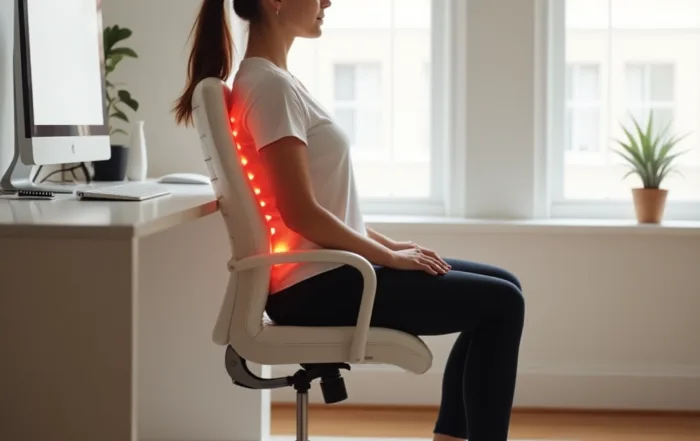
Spine care does not have to mean following a complicated [...]
Key Takeaways Liberty Bail Bonds has operated in Pennsylvania since [...]
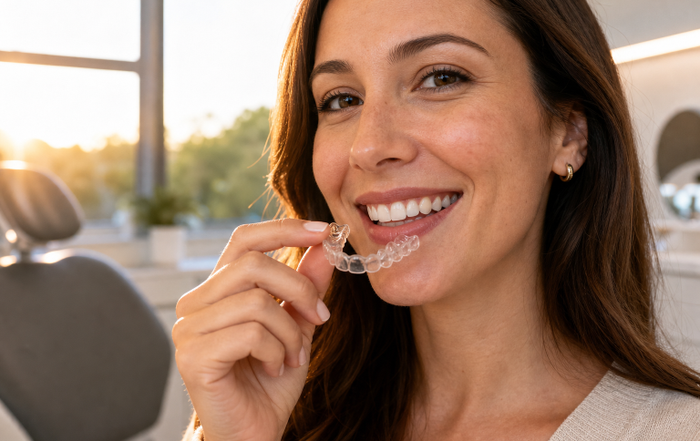
Key Takeaways Nova Orthodontics offers Invisalign treatment for children, teens, [...]

Key Takeaways A successful Lakeland bathroom remodel should prioritize everyday [...]
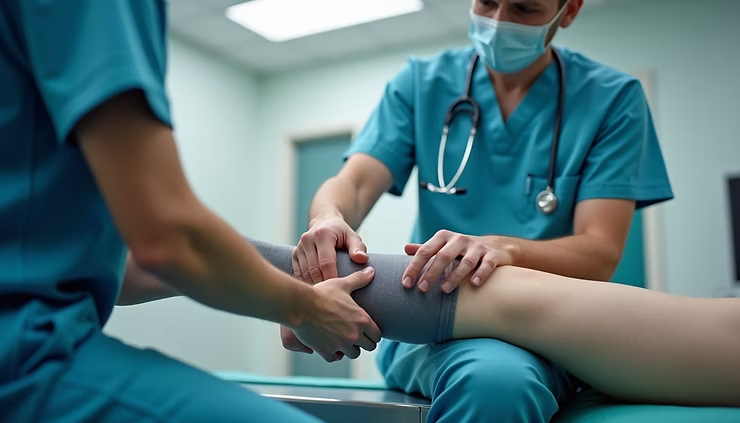
Chronic pain is a challenge that touches the lives of [...]

Planning a Gulf Coast getaway often comes down to one [...]

Finding out that your liver enzymes are high can be [...]