
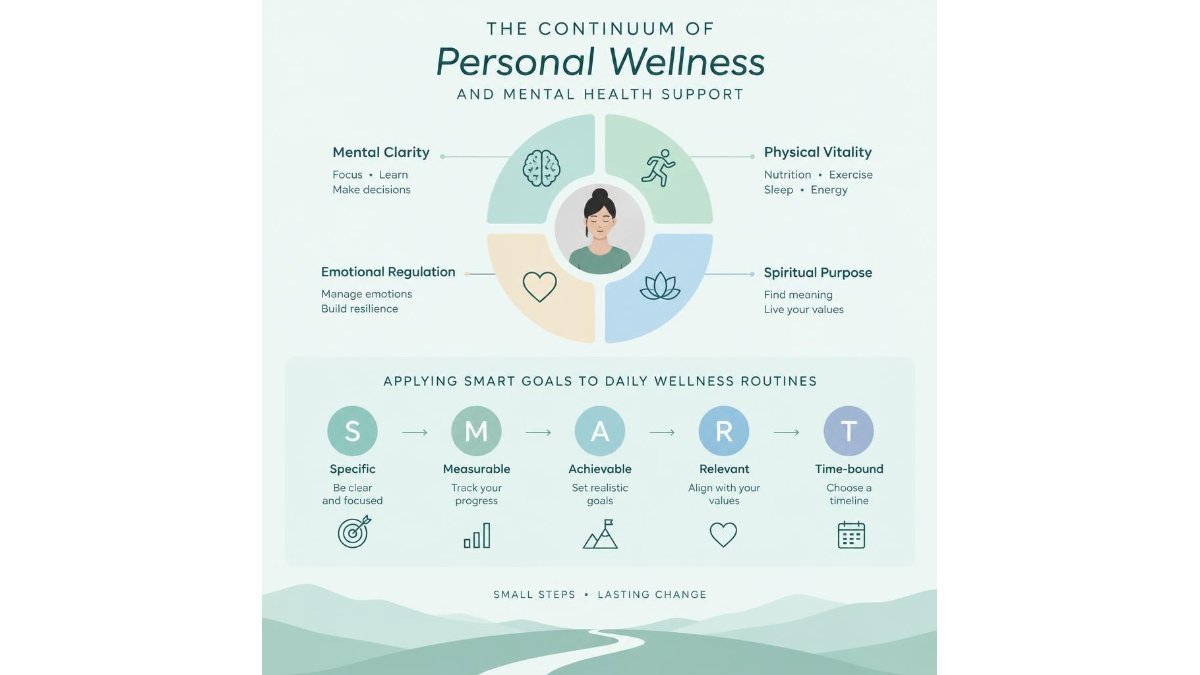
Foundational Pillars of a Personal Wellness Plan
To truly embrace personal wellness, we must first understand its foundational pillars. This involves a comprehensive assessment of our current state and the strategic setting of goals that guide our journey toward holistic well-being.
Dimensions of Personal Wellness and Counseling Assessments
Personal wellness is not a singular concept; it’s a rich tapestry woven from several interconnected dimensions. These typically include mental, physical, emotional, and spiritual well-being. A holistic approach recognizes that an imbalance in one area can profoundly impact the others.
- Mental Clarity: This dimension encompasses our cognitive functions, our ability to focus, learn, and make decisions. It also involves our capacity for critical thinking, problem-solving, and managing mental fatigue. Assessing mental wellness might involve reflecting on our stress levels, our ability to concentrate, and how effectively we manage daily mental demands.
- Physical Vitality: Our physical health forms the bedrock of our overall well-being. This includes nutrition, exercise, sleep quality, and the absence of chronic illness. A personal assessment would look at our energy levels, dietary habits, physical activity, and how well we recover from physical exertion. Beyond traditional health, some individuals also consider the impact of external factors on their physical comfort and confidence, exploring options with a medical aesthetics company to align their physical appearance with their internal sense of self.
- Emotional Regulation: This dimension relates to our ability to recognize, understand, and effectively manage our emotions. It involves building resilience in the face of adversity, maintaining positive relationships, and expressing feelings constructively. Assessing emotional wellness means examining how we cope with stress, our emotional responses to challenging situations, and our overall sense of contentment.
- Spiritual Purpose: Often misunderstood, spiritual wellness doesn’t necessarily equate to religious adherence. Instead, it refers to our search for meaning and purpose in life, our values, ethics, and connection to something larger than ourselves. This could involve mindfulness practices, spending time in nature, engaging in creative pursuits, or contributing to our community. An assessment here might explore our sense of purpose, our values, and how connected we feel to our inner self or the world around us.
A comprehensive assessment across these dimensions provides a crucial baseline. It helps us identify areas of strength to leverage and areas needing attention. This multidimensional self-reflection is the first step toward crafting a truly personalized wellness plan.
Applying SMART Goals to Daily Wellness Routines
Once we have a clear understanding of our current wellness landscape, the next step is to set actionable goals. This is where the SMART goal framework becomes invaluable. SMART stands for Specific, Measurable, Achievable, Relevant, and Time-bound. Applying this framework helps transform vague aspirations into concrete steps, significantly increasing our chances of success.
Let’s consider how SMART goals can be applied to different areas of wellness:
- Specific: Instead of “I want to be healthier,” a specific goal might be “I will exercise three times a week.”
- Measurable: How will we know if we’ve achieved it? “I will exercise for 30 minutes per session.”
- Achievable: Is the goal realistic for our current circumstances? “I will start with brisk walking, then gradually incorporate jogging.”
- Relevant: Does this goal align with our broader wellness objectives? “Exercising regularly will improve my cardiovascular health and reduce stress, contributing to my overall physical and mental vitality.”
- Time-bound: When will this goal be accomplished? “I will maintain this routine consistently for the next three months, starting October 2026.”
This structured approach can be applied to any wellness dimension. For mental wellness, a SMART goal might be: “I will practice mindfulness meditation for 10 minutes every morning, five days a week, for the month of November 2026, to improve my focus and reduce daily anxiety.” For emotional wellness: “I will initiate one meaningful conversation with a friend or family member each week for the next two months to strengthen my support system.”
Regularly tracking our progress is vital. Whether through a journal, a dedicated app, or simply a calendar, seeing our achievements can be incredibly motivating. It also provides valuable feedback, allowing us to adapt our plan as needed. Life is dynamic, and our wellness plan should be too. If a goal feels too challenging or no longer serves us, we can adjust it rather than abandoning the entire effort. This iterative process of setting, tracking, and adapting ensures our wellness journey remains sustainable and effective. For those looking to optimize their personal and professional growth, understanding goal-setting and performance optimization can be further enhanced through specialized resources like life coaching for technologists.
Integrating Personal Wellness and Counseling for Holistic Health
While self-assessment and goal-setting are powerful tools, sometimes our wellness journey requires professional guidance. Counseling and therapy offer structured support, expert insights, and a safe space to explore challenges and develop coping mechanisms.
Clinical Psychotherapy Modalities and Care Formats
The landscape of counseling and therapy is diverse, offering various modalities and formats to suit individual needs. Understanding these options is key to finding the right fit.
- Individual Counseling: This is the most common format, where a client works one-on-one with a therapist. It provides a confidential space to address personal issues, develop coping strategies, and foster self-awareness. Modalities like Cognitive Behavioral Therapy (CBT) help identify and change negative thought patterns, while Dialectical Behavior Therapy (DBT) focuses on emotional regulation and distress tolerance. Eye Movement Desensitization and Reprocessing (EMDR) is often used for trauma processing, helping individuals reprocess distressing memories.
- Couples Counseling: Designed for partners seeking to improve their relationship, this format addresses communication issues, conflict resolution, and intimacy challenges. Therapists facilitate dialogue and teach skills to foster healthier interactions.
- Family Counseling: This approach views the family as a system, addressing dynamics that contribute to individual or collective distress. It can be beneficial for navigating life transitions, resolving conflicts, or supporting a family member with mental health challenges.
- Medication Management: For some individuals, psychotherapy combined with medication can be the most effective approach. Psychiatric evaluation involves a mental health professional (such as a psychiatrist or psychiatric nurse practitioner) assessing symptoms and prescribing appropriate medication, which is then carefully managed and monitored. This integrative approach acknowledges the biological components of mental health conditions.
Specialized practices often provide a range of these services, ensuring comprehensive care. For those seeking in-depth, tailored therapeutic interventions, exploring options for advanced counseling and psychotherapy can provide access to highly specialized treatment plans.
Counseling Approach Primary Focus Typical Issues Addressed Benefits Individual Personal growth, self-awareness, coping skills Anxiety, depression, trauma, grief, self-esteem, life transitions Confidentiality, personalized attention, deep self-exploration CouplesRelationship dynamics, communication, conflict Communication breakdowns, infidelity, intimacy issues, parenting disagreements, pre-marital guidance Improved communication, conflict resolution skills, strengthened bond, mutual understanding Family Family system dynamics, intergenerational patterns Family conflict, behavioral issues in children/adolescents, divorce adjustment, substance abuse impacts Healthier family interactions, improved support system, addressing systemic issues Medication Mgmt. Symptom reduction, biological factors Severe depression, anxiety disorders, bipolar disorder, psychosis, ADHD Stabilizes mood, reduces severe symptoms, complements therapy, managed by medical professionals
Delivery Models: In-Person vs. Telehealth Services
The method of delivering counseling services has evolved significantly, offering greater flexibility and accessibility. The choice between in-person and virtual (telehealth) sessions often depends on personal preferences, logistical considerations, and the nature of the therapeutic work.
- In-Person Counseling: Traditionally, therapy has been conducted face-to-face in a therapist’s office. This model offers a dedicated, often calming, physical space free from home distractions. For some, the physical presence of a therapist fosters a stronger sense of connection and trust, and allows for easier observation of non-verbal cues.
- Virtual/Telehealth Counseling:Accelerated by recent global events, telehealth has become a mainstream and highly effective option. Sessions are conducted via secure video conferencing or phone calls, allowing clients to access therapy from the comfort and privacy of their own homes or any convenient location. This model significantly enhances accessibility, especially for individuals in rural areas, those with mobility challenges, busy schedules, or who live in states where their preferred therapist is licensed to practice virtually. Many practices are now licensed to serve clients across multiple states virtually, expanding options dramatically.

Both models prioritize privacy and confidentiality, adhering to strict ethical and legal guidelines. The effectiveness of virtual therapy has been well-documented, with research showing comparable outcomes to in-person sessions for many conditions. The key is to choose the model that best supports your comfort and engagement in the therapeutic process.
Feature In-Person Counseling Virtual/Telehealth Therapy LocationTherapist’s office or designated physical space Client’s home or private location with internet access Accessibility Limited by geography, transportation, and physical mobility High accessibility, removes geographic barriers, convenient ComfortDedicated, often calming, professional environment Familiar, private, and comfortable personal space Non-Verbal Cues Easier for therapist to observe full body language Relies more on facial expressions, tone of voice, verbal cues Scheduling May require travel time, less flexible Highly flexible, reduces travel time, easier to fit into schedule PrivacyControlled office environment, minimal distractions Requires client to ensure a private, distraction-free space SuitabilityPreferred by some for deeper connection, severe conditions Ideal for mild to moderate issues, busy individuals, remote access Cost May include travel costs, potentially higher session fees Often comparable session fees, no travel costs
Navigating the Therapeutic Journey: Expectations and Best Practices
Embarking on a therapeutic journey is a courageous step towards personal wellness. Understanding what to expect and how to maximize the benefits can make the process more effective and less intimidating.
Overcoming Stigma in Personal Wellness and Counseling
Despite growing awareness, a significant stigma still surrounds mental health and seeking professional help. Many people wrongly believe that counseling is only for those with “severe emotional problems” or that it signifies weakness. In reality, seeking counseling is an act of self-care and strength, akin to visiting a dentist for a routine check-up rather than waiting for a severe cavity.
The truth is, counseling is beneficial for a wide range of needs: managing daily stress, navigating relationship challenges, coping with academic or career difficulties, processing grief, or simply pursuing personal growth. It’s a proactive step towards maintaining mental well-being, not just a reactive measure in times of crisis.
When you decide to seek support, what should you expect from your first session? An initial intake evaluation is a crucial first step. During this session, the counselor will typically:
- Answer Your Questions: This is your opportunity to ask about their approach, experience, and what therapy with them might look like.
- Explain Services: The therapist will outline the types of services they offer, their policies, and what you can expect in terms of confidentiality and session structure.
- Gather Background Information:You’ll be asked about your personal history, current concerns, goals for therapy, and any relevant medical or mental health history. This helps the therapist understand your unique situation and begin to formulate a tailored approach.
- Establish Rapport: This initial session is also about “getting a feel” for the therapist. A strong therapeutic alliance – a trusting and collaborative relationship between client and therapist – is a key predictor of successful outcomes. It’s perfectly normal to meet with a few therapists before finding the one who feels like the best fit.
The goal of this first session is to ensure you feel comfortable, understood, and confident in the process. It’s a mutual assessment to see if there’s a good match for embarking on this journey together.

Identifying Key Indicators for Professional Support
Knowing when to seek professional mental health support can be challenging. We all experience ups and downs, but certain signs suggest that a therapist or counselor could provide invaluable assistance. Recognizing these indicators is a critical step in prioritizing our personal wellness.
Consider seeking professional help if you experience:
- Chronic Stress and Overwhelm: If daily stressors feel insurmountable, leading to persistent feelings of anxiety, irritability, or burnout, professional guidance can offer coping strategies and stress management techniques.
- Significant Life Transitions: Major life changes such as job loss, divorce, relocation, grief, or the birth of a child can be incredibly challenging. A therapist can provide support in navigating these periods of adjustment and prevent them from leading to more severe mental health issues.
- Persistent Anxiety or Sadness: If feelings of worry, sadness, hopelessness, or emptiness persist for more than a few weeks and interfere with your daily life, it’s a strong indicator that professional intervention could be beneficial. This includes panic attacks, social anxiety, or prolonged depressive episodes.
- Emotional Fatigue or Numbness:Feeling drained, lacking motivation, or experiencing a general sense of emotional detachment can be signs that you’re struggling to process emotions effectively.
- Trauma Processing: If you’ve experienced a traumatic event, whether recent or in the past, and find yourself re-experiencing it, avoiding reminders, or feeling hyper-vigilant, trauma-informed therapy can be crucial for healing.
- Functional Impairment: When your mental or emotional state begins to negatively impact your work, relationships, sleep, appetite, or overall ability to function in daily life, it’s a clear sign that support is needed.
- Unhealthy Coping Mechanisms:Relying on substances, excessive internet use, or other destructive behaviors to numb difficult emotions can indicate an underlying issue that therapy can address.
- Relationship Difficulties: Persistent conflict, communication breakdowns, or dissatisfaction in significant relationships can often be improved with individual or couples counseling.
Seeking help is not a sign of failure but a proactive step towards building resilience and fostering a healthier, more fulfilling life.
Building Sustainable Support Systems and Accessible Care
Personal wellness is not a solo endeavor. It thrives within supportive environments and benefits from consistent, intentional practices. Building robust support systems and knowing how to access affordable care are integral to a sustainable wellness journey.
Establishing Daily Routines and Community Support
Integrating wellness practices into our daily routine creates consistency and reinforces positive habits. These practices don’t need to be elaborate; even small, consistent efforts can yield significant benefits.
- Mindfulness and Meditation: Even 5-10 minutes of daily mindfulness meditation can reduce stress, improve focus, and enhance emotional regulation. This could be a guided meditation, a body scan, or simply focusing on your breath.
- Physical Movement: Regular physical activity is a powerful antidote to stress and a booster for mood. This doesn’t mean intense workouts every day. It could be a brisk walk, yoga, dancing, or stretching. The key is to find activities you enjoy and make them a consistent part of your day. The recommendation is often at least 20 minutes per day, but even shorter, more frequent bursts of activity can be beneficial.
- Nutritional Balance: Fueling our bodies with nutritious foods directly impacts our mental and emotional energy. Prioritizing whole foods, staying hydrated, and being mindful of how certain foods affect our mood and energy levels are crucial.
- Sleep Hygiene: Quality sleep is fundamental to all aspects of wellness. Establishing a consistent sleep schedule, creating a relaxing bedtime routine, and optimizing your sleep environment can dramatically improve your rest.
- Peer Networks and Social Connection: Humans are social beings. Cultivating meaningful relationships, engaging with friends and family, and participating in community activities provide a vital sense of belonging and support. These peer networks can offer different perspectives, emotional validation, and practical assistance.
- Accountability Structures: Sharing your wellness goals with a trusted friend, family member, or even a therapist can create a sense of accountability. This external motivation can be particularly helpful on days when internal motivation wanes. Joining support groups or wellness communities can also provide a structured environment for mutual encouragement.

These daily routines, combined with a strong community support system, create a resilient foundation for personal wellness, helping us navigate life’s inevitable challenges with greater ease.
Finding Affordable and Low-Barrier Mental Health Resources
One of the most significant barriers to seeking mental health support is often the perceived cost. However, numerous options exist to make counseling and wellness resources more accessible and affordable.
- Insurance Coverage: Many health insurance plans, both private and through employers, offer coverage for mental health services. It’s essential to understand your specific plan’s benefits, including deductibles, co-pays, and whether a referral is needed. In October 2026, mental health parity laws generally mandate that insurance coverage for mental health be comparable to physical health.
- Sliding Scale Fees: Many therapists and counseling centers offer services on a sliding scale, meaning the fee is adjusted based on your income and ability to pay. Don’t hesitate to inquire about this option when contacting potential providers.
- Student Counseling Services: If you are a student, your college or university likely offers free or low-cost counseling services as part of your tuition or student health fees. These services are often tailored to the unique challenges students face.
- Employee Assistance Programs (EAPs): Many employers provide EAPs, which offer a limited number of free counseling sessions to employees and sometimes their family members. This is a confidential benefit designed to help with work-related or personal issues.
- Community Mental Health Clinics:These clinics are often government-funded or non-profit organizations that provide mental health services at reduced costs, sometimes even for free, especially for low-income individuals or those without insurance. They may also offer group therapy, which is often more affordable than individual sessions.
- Non-Profit Organizations and Support Groups: Organizations dedicated to specific mental health conditions (e.g., NAMI – National Alliance on Mental Illness) often provide free support groups, educational resources, and referrals to affordable care.
- Telehealth Platforms: While some virtual platforms can be costly, many offer more competitive pricing than traditional in-person therapy, and some work with insurance. They also reduce costs associated with travel and time off work.
- Crisis Resources: For immediate support in a crisis, national hotlines like 988 (the Suicide & Crisis Lifeline) offer free, confidential, 24/7 support. Text lines and local crisis centers are also invaluable resources.
Navigating these options requires a bit of research and advocacy, but the availability of diverse resources means that financial constraints should not be an insurmountable barrier to accessing the mental health support you need.
Frequently Asked Questions About Personal Wellness and Counseling
As we wrap up our guide, let’s address some common questions that often arise when individuals consider personal wellness and counseling.
What occurs during an initial counseling intake session?
The initial intake session is designed to be a comprehensive information-gathering and introductory meeting. We typically begin by explaining our confidentiality policies and answering any questions you may have about the therapeutic process. This is followed by a detailed discussion about your background, including your personal history, family dynamics, significant life events, and any previous experiences with counseling. We’ll explore your current concerns, what brought you to seek support now, and what you hope to achieve through therapy. This helps us collaboratively set initial objectives and develop a preliminary treatment plan tailored to your unique needs. It’s also an opportunity for you to assess if our approach and personality are a good fit for you, as the therapeutic relationship is paramount to success.
How do wellness coaching and clinical therapy differ?
While both wellness coaching and clinical therapy aim to improve well-being, their scope of practice and approach differ significantly. Clinical therapy, provided by licensed mental health professionals (e.g., psychologists, licensed professional counselors, social workers), focuses on diagnosing and treating mental health conditions, processing past traumas, and addressing deep-seated psychological issues. Therapists often delve into the “why” behind behaviors and emotions, utilizing various evidence-based modalities to facilitate healing and lasting change.
Wellness coaching, on the other hand, is typically future-focused and goal-oriented. Coaches help individuals identify their strengths, clarify their values, and develop actionable strategies to achieve specific wellness goals (e.g., improving fitness, stress management, career development). Coaches do not diagnose or treat mental illness, but rather empower clients to optimize their potential and build healthier habits. While some therapists incorporate coaching techniques, and some coaches have mental health backgrounds, the distinction lies primarily in the clinical diagnosis and treatment of psychological conditions, which is exclusive to licensed therapists.
How quickly do individuals notice improvement from therapy?
The timeline for noticing improvement from therapy is highly individual and depends on several factors, including the nature and severity of the issues being addressed, the specific therapeutic modality used, the client’s commitment to the process, and the strength of the therapeutic relationship. Some individuals report feeling a sense of relief or clarity after just a few sessions, as they gain new perspectives or coping tools. For others, particularly those dealing with complex trauma or long-standing patterns, progress may be more gradual.
Research suggests that many patients experiencing depression report significant symptom improvement after only three therapy visits, with 76% of patients feeling better. However, sustained change and deeper healing often require more consistent engagement over several weeks or months. The key is therapeutic consistency – regularly attending sessions, actively participating, and applying insights and skills learned in therapy to daily life. It’s a journey, not a quick fix, and progress is often measured in small, incremental steps rather than sudden leaps.
Conclusion
Embracing personal wellness and counseling is a profound commitment to ourselves. In October 2026, as our lives continue to accelerate, prioritizing our mental, physical, emotional, and spiritual health is no longer a luxury but a necessity. We’ve explored the foundational pillars of a personal wellness plan, from assessing our multidimensional well-being to setting SMART goals that guide our daily routines. We’ve also demystified counseling, understanding the various modalities and delivery models available, and the crucial role professional support plays in our journey.
Personal wellness is an ongoing process of proactive self-care and sustainable transformation. It’s about building resilience, fostering genuine connections, and continually adapting our strategies to meet life’s challenges. By integrating mindful practices, building strong support systems, and leveraging accessible mental health resources, we can cultivate a life of greater balance, purpose, and long-term resilience. You don’t have to navigate this journey alone; support and guidance are readily available to help you thrive.
- Approaches to Personal Wellness and Counseling
- How to Choose a Fence That Fits Your Denver, Colorado Yard, Climate, and Daily Life
- Bathroom Safety Upgrades for Aging in Place: Planning Guide
- What to Do When Back Pain Does Not Improve in Orange Park, FL
- How Real-Time Digital Characters Can Make Online Services More Human
Foundational Pillars of a Personal Wellness Plan To truly embrace [...]

A fence in the Denver metro area has to do [...]

A bathroom should support everyday routines without requiring unnecessary reaching, [...]

Key Takeaways Mild back pain often improves with time and [...]

Key Takeaways Real-time digital characters can make online guidance, training, [...]

Key Takeaways Reliable financial AI depends on accurate, traceable, well-permissioned [...]

Key Takeaways Put safety and medical care ahead of evidence [...]

Key Takeaways Living alone can be safe when daily routines, [...]