
Back discomfort affects many adults, yet back pain relief is possible. While many factors contribute to spinal pain, muscular weakness in the midsection frequently aggravates existing issues because the core supports posture and movement throughout the day. The core includes more than abdominal muscles, and it also involves the back and pelvic muscles, which work together to stabilize the spine and protect it during motion. This guide explains the relationship between muscle strength and spinal health. It explores targeted movements that improve stability, and it highlights how consistent conditioning supports the spine.
The Function of Core Stability
Muscular strength in the torso provides back pain relief and helps with balance and posture. Conditioned muscles support everyday actions such as bending, lifting, and sitting. When the midsection lacks strength, posture often declines because weakened muscles fail to support the spine, which increases stress and raises the likelihood of discomfort.
A stable midsection supports daily movement and reduces injury risk. Strong core muscles distribute force evenly across the body, and they improve coordination during motion. As individuals exercise, work, or perform recreational tasks. Stability becomes helpful because it improves movement mechanics while lowering the chance of strains or sprains.
Clinical experts emphasize spinal stability as a key factor in injury prevention. Many treatment plans focus on non-invasive approaches, and they aim to align the spine while restoring physical function. When patients combine professional spinal care with targeted conditioning, outcomes often improve because this approach addresses both structural support and muscular control.
The Function of Core Workouts
Standard physical therapy protocols recommend several movements to strengthen the midsection. These exercises require minimal equipment, and they focus on building stability and control. When individuals perform these movements consistently and with proper form, they support spinal alignment while improving overall muscular coordination. Some of these workouts include:
- Abdominal Crunch
- Bridge
- Single-Leg Abdominal Press
- Modified Plank
- Side Plank
- Superman
Many of these activities target deep stabilizing muscles that protect the spine during movement. They improve strength and endurance, and they help prepare the body for daily tasks such as lifting or prolonged sitting. Because these exercises integrate multiple muscle groups, they play an important role in developing a stable core and reducing stress on the lower back.
The Function of Professional Alignment
Chiropractic specialists often emphasize spinal alignment as an important part of pain management. Upper cervical care uses specific, low-force adjustments to correct misalignments in the upper spine, and this approach focuses on precision rather than force. When alignment improves and pressure on the nervous system decreases, the body can support more efficient natural recovery.
When patients combine alignment care with regular core-strengthening exercises, posture and movement patterns often improve. Proper alignment supports efficient muscle engagement, and it allows the body to distribute weight and force more evenly during movement. This combination not only helps relieve existing discomfort but also reduces the likelihood of recurring back issues, especially when patients remain consistent with care and conditioning.
Practitioners frequently recommend integrating manual therapy with independent physical conditioning. This dual approach addresses spinal alignment and muscle weakness at the same time, and it supports longer-lasting results. When patients strengthen supporting muscles while maintaining proper alignment, they improve structural stability and promote long-term spinal health.
Back Pain Relief
Building muscular strength in the torso helps manage back discomfort. Exercises like crunches, bridges, and planks activate muscles that support the spine, and they improve overall stability. When people pair these movements with professional guidance and alignment care, which addresses underlying structural issues, they create a more sustainable approach to pain management. Individuals with ongoing or severe pain should consult a healthcare provider before starting new exercises. Consistent movement supports better outcomes, and regular practice combined with appropriate medical care improves spinal function. This combined approach protects the back and promotes long-term spinal health.
- Mental Health Check-Ins for Omaha, Nebraska Families: Simple Support for School, Work, and Stress
- Everyday Spine Care: Simple Habits for Desk Work, Sports, and Active Living
- Need a Local Bail Bondsman in Pennsylvania? Liberty Bail Bonds Explains How to Request Fast, County-Based Help
- Nova Orthodontics Helps Mukilteo, Washington Patients Address Crooked Teeth With Invisalign
- A Practical Guide to Designing a Bathroom That Is Safer and Easier to Maintain in Lakeland, Florida
Key Takeaways Brief, regular check-ins can help families notice stress [...]
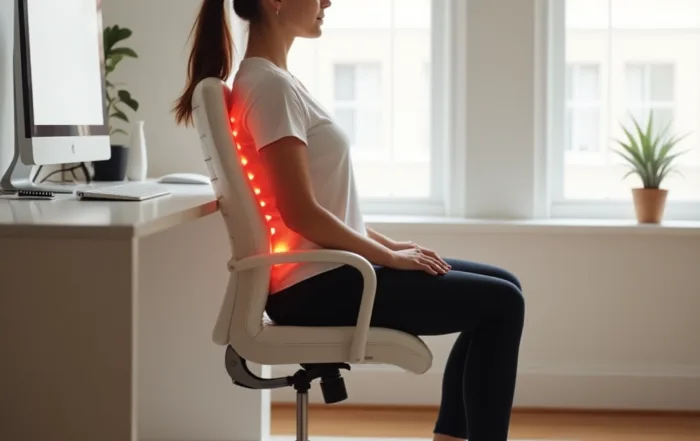
Spine care does not have to mean following a complicated [...]

Key Takeaways Liberty Bail Bonds has operated in Pennsylvania since [...]

Key Takeaways Nova Orthodontics offers Invisalign treatment for children, teens, [...]

Key Takeaways A successful Lakeland bathroom remodel should prioritize everyday [...]

Chronic pain is a challenge that touches the lives of [...]

Planning a Gulf Coast getaway often comes down to one [...]

Finding out that your liver enzymes are high can be [...]