
If you are asking, “what are the best foods for kidney health,” the answer is not one special fruit, vegetable, drink, or supplement. Kidney health is supported by an overall eating pattern that helps manage blood pressure, blood sugar, body weight, and heart health while providing the nutrients your body needs.
Your kidneys work every day to filter waste from your blood, remove extra fluid, and help maintain the right balance of minerals and electrolytes. Because food affects blood pressure, blood sugar, fluid balance, and many other body processes, your daily diet can play an important role in protecting kidney function.
For people with healthy kidneys, the basic goal is usually simple: eat a varied, balanced diet that includes plenty of minimally processed foods and limits excessive sodium, added sugars, and heavily processed foods. For people who already have chronic kidney disease, however, the answer becomes more personal. Kidney disease can change how the body handles potassium, phosphorus, sodium, protein, and fluids. The best diet may therefore depend on laboratory results, kidney function, medications, diabetes status, blood pressure, and whether someone receives dialysis.
This guide takes a practical approach to the question of what are the best foods for kidney health. Instead of focusing on a short “good foods versus bad foods” list, it explains how to build meals, which foods are useful for most people, when certain healthy foods may need to be limited, and why individual kidney needs matter.
Why Food Matters for Kidney Health
The kidneys and diet are closely connected.
Your kidneys help control sodium, potassium, phosphorus, and fluid levels in your blood. When the kidneys are healthy, they can usually maintain these balances effectively. When kidney function decreases, some nutrients and fluids may build up in the body. This is one reason people with chronic kidney disease may need a more specific eating plan.
Food also affects conditions that can damage the kidneys.
High blood pressure is a major risk factor for kidney disease. Diabetes is another important cause of kidney damage. A diet that supports healthy blood pressure and blood sugar can therefore support kidney health indirectly as well as directly.
This leads to an important insight: the best kidney diet is not necessarily the diet with the longest list of foods labeled “kidney friendly.” It is the eating pattern that helps you maintain good overall health while matching your individual kidney needs.
RG Hospitals
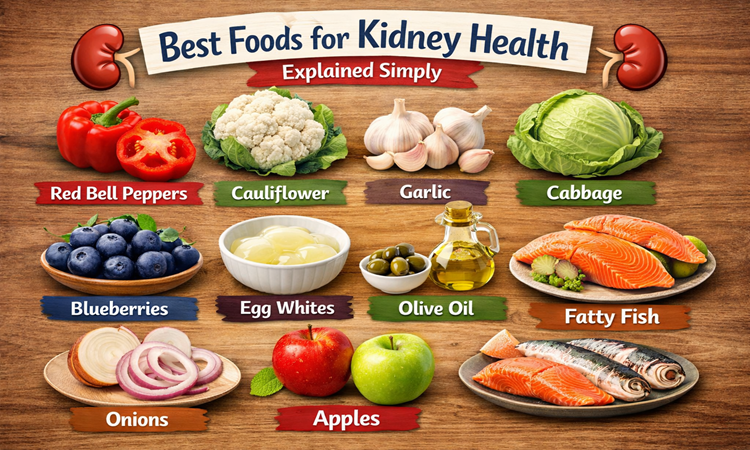
What Are the Best Foods for Kidney Health?
For people with normal kidney function, some of the most useful food groups include:
- Fresh or frozen vegetables
- Whole fruits
- Whole grains
- Beans and other plant foods
- Fish
- Lean proteins
- Eggs
- Unsalted nuts and seeds when appropriate
- Healthy unsaturated fats
- Lower-sodium foods
- Plain or lower-sugar dairy choices when appropriate
These foods can provide fiber, vitamins, minerals, protein, and healthy fats without requiring a complicated diet.
However, a food being nutritious does not automatically mean that everyone with kidney disease should eat unlimited amounts of it. The difference between general kidney health and a medical kidney diet is important.
1. Berries Can Be a Good Choice
Berries are often a practical addition to a balanced diet.
Strawberries, blueberries, raspberries, and blackberries provide fiber and a variety of plant compounds. They can be added to oatmeal, plain yogurt, smoothies, or eaten as a simple snack.
Berries are also an easy alternative to highly processed desserts.
For someone with normal kidney function, berries can fit comfortably into a healthy eating pattern.
People with chronic kidney disease should still consider their individual potassium needs. Some people with CKD need to limit potassium, while others do not. Potassium should not be restricted simply because someone has heard that certain fruits are “bad for the kidneys.” Kidney Foundation guidance emphasizes that potassium needs depend on kidney function, medications, and blood test results.
2. Apples Are a Simple Kidney-Friendly Fruit
Apples are convenient, affordable, and easy to include in everyday meals.
You can eat an apple with breakfast, add sliced apple to oatmeal, or pair it with an appropriate protein source for a snack.
Whole apples also provide fiber.
For people with advanced kidney disease who need to control potassium, apples may sometimes be included as an alternative to higher-potassium fruits, but individual dietary needs still matter.
The bigger lesson is that whole fruit can often be a better everyday choice than sugary desserts or sweetened drinks.
3. Grapes Can Fit Into a Healthy Diet
Grapes can provide a convenient serving of fruit and can be eaten fresh or frozen.
They can also make a useful snack when you want something naturally sweet.
However, portion size still matters. Eating a very large amount of any food can change the overall nutrient and calorie balance of a meal.
If you have kidney disease, ask your healthcare professional or renal dietitian whether grapes fit your potassium and carbohydrate goals.
4. Cauliflower Is a Versatile Vegetable
Cauliflower can be used in many ways.
You can roast it, steam it, add it to soups, or use it as an alternative to some higher-carbohydrate foods.
It can also help people add more vegetables without making meals complicated.
For individuals with kidney disease who have been told to limit potassium, the appropriate portion and preparation method can matter. NIDDK notes that some cooking methods, including boiling and leaching, can lower potassium in certain vegetables.
5. Cabbage Can Be an Easy Everyday Vegetable
Cabbage is inexpensive, versatile, and easy to prepare.
It can be added to salads, soups, stir-fries, wraps, or cooked meals.
Using cabbage in place of highly processed side dishes can improve the overall quality of a meal.
A practical kidney-health strategy is not to search for one “superfood.” Instead, regularly replacing highly processed foods with vegetables is a change that can benefit the whole eating pattern.
6. Bell Peppers Add Flavor and Variety
Bell peppers can add color, flavor, and nutrients to meals.
They can be eaten raw, roasted, grilled, or cooked with other vegetables.
They also provide an easy way to make meals more interesting without relying heavily on salty sauces.
This matters because reducing sodium can be important for kidney and blood pressure health. NIDDK recommends choosing fresh, frozen, or canned vegetables without added salt or high-sodium sauces when possible.
7. Broccoli Can Support a Balanced Eating Pattern
Broccoli is another useful vegetable for people looking to improve the overall quality of their diet.
You can steam it, roast it, or add it to pasta, rice, soups, and salads.
Broccoli does not need to be prepared in a special “kidney detox” recipe.
Simple cooking is enough.
For people with normal kidney function, a varied vegetable intake is generally more important than finding a perfect list of vegetables.
For people with CKD, however, portion sizes and potassium levels may need to be considered.
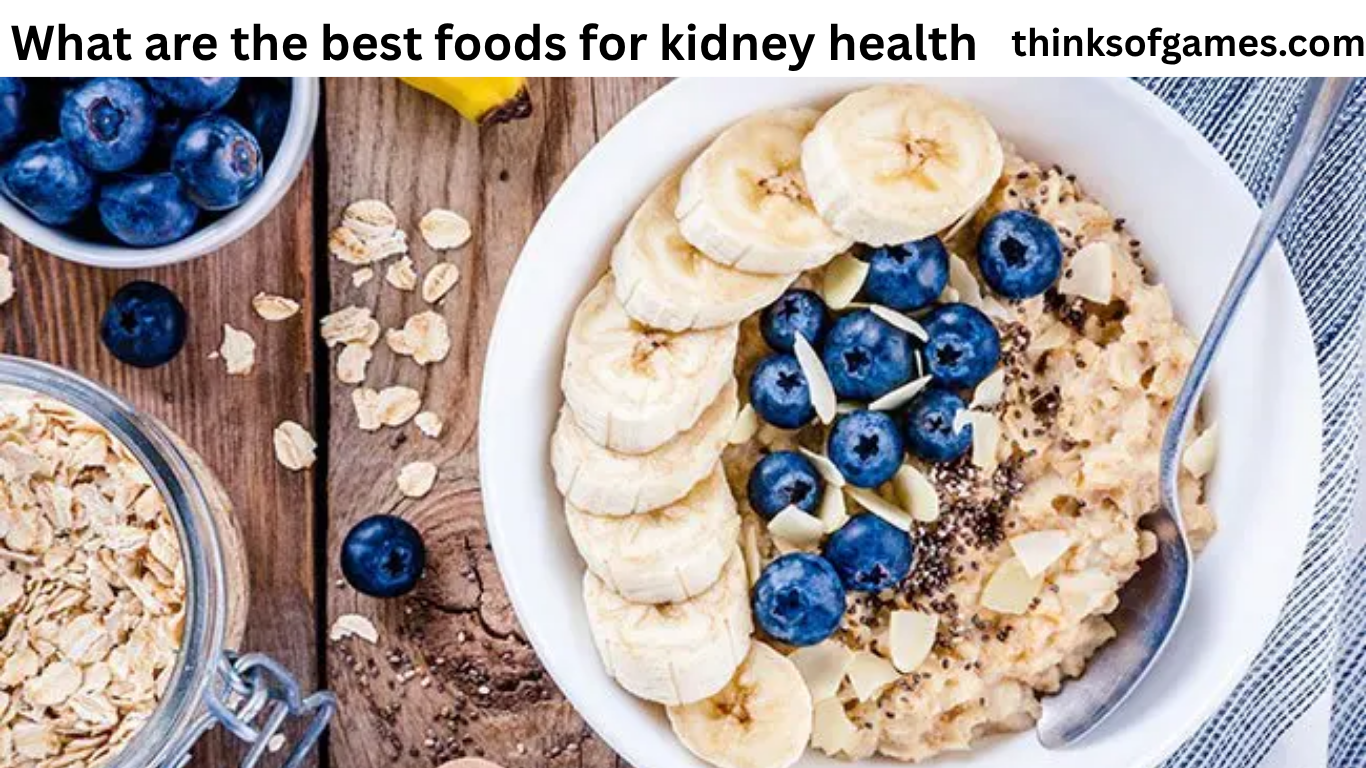
8. Oatmeal Can Be a Practical Breakfast
Oatmeal is a whole-grain food that can make a filling breakfast.
Try adding fruit, cinnamon, or other appropriate toppings instead of relying on large amounts of added sugar.
Whole grains can be part of a healthy eating pattern. NIDDK includes whole grains such as oats, brown rice, and whole-grain foods among healthy choices for general kidney disease prevention.
However, people with advanced kidney disease may need individualized advice about phosphorus and other nutrients.
The best breakfast is one that fits your overall health needs, not simply one labeled “kidney friendly.”
9. Brown Rice and Other Whole Grains
Whole grains can provide fiber and other nutrients.
Examples include:
- Brown rice
- Oats
- Barley
- Whole-grain bread
- Whole-grain pasta
- Quinoa
For people without kidney disease, these foods can be part of a balanced eating pattern.
For people with CKD, whole grains may still fit, but phosphorus and potassium needs vary. This is another reason that general kidney food lists should not be treated as medical prescriptions.
10. Fish Can Be a Valuable Protein Choice
Fish provides protein and, depending on the type, can provide omega-3 fats.
Examples include salmon, trout, sardines, and other fish.
Replacing some highly processed meats with fish can be a useful dietary change.
Preparation matters, too.
A baked or grilled piece of fish with vegetables is very different from heavily breaded, fried, or highly salted fish.
The goal is not only to choose the right food but also to consider how the food is prepared.
11. Eggs Can Provide High-Quality Protein
Eggs are an affordable source of protein.
They can be used for breakfast, lunch, or dinner and can be combined with vegetables and other nutritious foods.
For people with normal kidney function, eggs can fit into a balanced diet.
People with CKD may need to consider protein, phosphorus, cholesterol, and other individual factors. A renal dietitian can help determine the right portion and frequency based on the person’s medical needs.
12. Lean Chicken Can Fit Into Kidney-Friendly Meals
Chicken can be a convenient protein source.
Choose fresh, unprocessed chicken when possible rather than heavily processed chicken products.
Preparation can make a major difference.
Instead of adding large amounts of salty seasoning, try:
- Garlic
- Lemon
- Black pepper
- Paprika
- Fresh herbs
- Onion
- Salt-free spice blends
If you have CKD, check labels carefully because some packaged meats can contain added phosphorus or sodium. NIDDK specifically recommends checking ingredient lists for phosphorus additives and watching sodium in processed foods.
13. Plant Proteins Can Be Useful
Beans, lentils, tofu, and other plant-based proteins can be nutritious choices.
They provide protein and can also contribute fiber.
However, there is an important distinction between general kidney health and advanced kidney disease.
Some people with CKD need to monitor potassium or phosphorus, while others can include plant foods without major restrictions.
NIDDK notes that protein sources and amounts should be individualized in CKD.
This is why it is not accurate to say that beans are universally “bad for kidneys.”
14. Unsalted Nuts Can Be a Smart Snack for Some People
Nuts contain healthy fats, protein, and other nutrients.
Choosing unsalted nuts can help reduce unnecessary sodium compared with heavily salted snack foods.
But nuts can contain phosphorus and potassium, and portions can be calorie-dense.
If you have chronic kidney disease, ask your dietitian whether nuts fit your specific plan.
For people without kidney disease, a small serving of unsalted nuts can be a practical alternative to chips or highly processed snacks.
15. Olive Oil and Other Unsaturated Fats
Healthy fats can be part of a kidney-supportive eating pattern.
Olive oil can be used for cooking, dressings, or finishing meals.
Other sources of unsaturated fats may include certain nuts, seeds, fish, and plant oils.
The goal is not to remove all dietary fat.
Your body needs fat for energy, cell function, and absorption of certain vitamins.
NIDDK recommends healthier unsaturated fats while limiting saturated and trans fats, particularly because people with CKD have a higher risk of cardiovascular disease.
Why Sodium May Matter More Than a “Superfood”
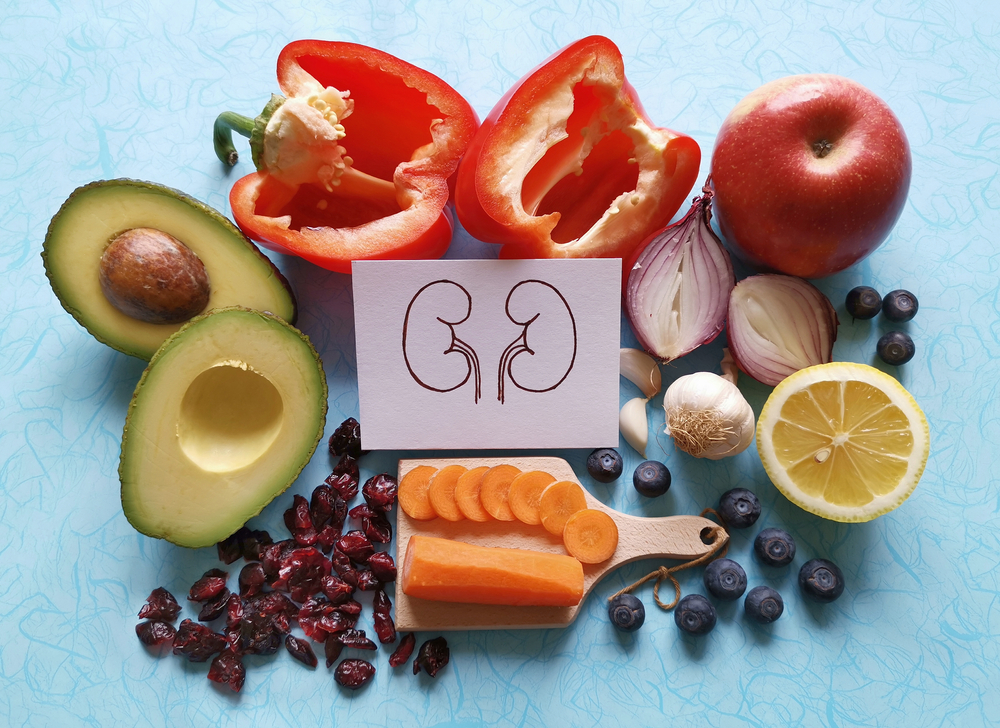
When thinking about kidney health, reducing excess sodium can be more important than searching for a single “superfood.” A healthy salad can become high in sodium when covered with a salty dressing, and grilled chicken may contain a lot of sodium when paired with packaged sauces or processed seasonings. Processed meats, restaurant meals, and packaged foods are also common sources of sodium. Too much sodium can contribute to fluid retention and high blood pressure, which can put extra stress on the kidneys. Instead of focusing only on adding special foods, pay attention to the overall sodium content of your meals.
Nephronolg associates of northern illinois and indiana
How to Reduce Sodium for Better Kidney Health
Try these practical changes:
- Choose fresh foods more often
- Compare sodium amounts on food labels
- Choose unsalted or lower-sodium products
- Limit processed meats
- Reduce fast food
- Rinse canned foods when appropriate
- Use herbs and spices
- Prepare more meals at home
- Choose sauces carefully
- Reduce salty snacks
You do not have to make every change immediately.
Reducing sodium gradually can make healthy eating easier to maintain.
What About Potassium?
Potassium is essential.
It helps muscles and nerves function and plays an important role in the heart.
Healthy kidneys normally help regulate potassium levels.
However, kidney disease can make it harder to remove potassium from the blood. Both excessively high and excessively low potassium levels can be dangerous.
This creates an important rule:
Do not automatically avoid potassium-rich foods simply because you are concerned about your kidneys.
If you have normal kidney function, many potassium-rich foods are nutritious.
If you have CKD, your potassium intake should be based on your laboratory results and medical advice.
Are Bananas Bad for Kidney Health?
Bananas are nutritious, but they contain potassium.
For a person with healthy kidneys, eating a banana is generally not a reason for concern.
For someone with advanced CKD or high blood potassium, the situation may be different.
This is a perfect example of why online lists can be misleading.
A food can be healthy for the general population but require portion control for a person with a specific medical condition.
What About Tomatoes and Potatoes?
Tomatoes and potatoes are nutritious foods, but they can be relatively high in potassium.
That does not make them universally unhealthy for the kidneys.
People with healthy kidney function generally do not need to remove them from their diet because of kidney concerns.
People with CKD and a potassium restriction may need to limit portions or use preparation techniques recommended by a dietitian.
NIDDK specifically warns against unnecessarily eliminating nutritious fruits and vegetables without professional guidance.
Why Phosphorus Matters
Phosphorus is another mineral that becomes important when kidney function decreases.
Healthy kidneys remove excess phosphorus from the blood.
Damaged kidneys may not remove it as efficiently.
High phosphorus levels can contribute to bone and blood vessel problems in people with CKD.
One especially useful point is that phosphorus additives in processed foods can be important.
When reading ingredient labels, look for words containing “phos.”
Examples include:
- Phosphoric acid
- Disodium phosphate
- Monosodium phosphate
Reducing processed foods with phosphorus additives may be useful for some people with CKD.
Protein and Kidney Health
Protein is an important part of a healthy diet because your body needs it to build and repair tissues and maintain muscle. The right amount depends on your individual health. People with healthy kidneys can usually include appropriate portions of protein as part of a balanced diet, while some people with chronic kidney disease may need to limit or adjust their protein intake. Eating too little protein can also lead to poor nutrition and muscle loss. People with CKD should work with a healthcare professional or renal dietitian to determine the right amount, while those receiving dialysis may have different protein needs.
Are High-Protein Diets Good for Your Kidneys?
There is no reason for everyone to follow a high-protein diet in the name of better health.
People who are healthy may tolerate different amounts of protein, but someone with kidney disease may need a more careful plan.
If you have CKD, do not begin a high-protein diet, bodybuilding program, or protein supplement routine without discussing it with your healthcare professional.
What Foods Should You Limit for Kidney Health?
For general kidney health, it can be useful to limit foods that are high in:
- Sodium
- Added sugars
- Saturated fat
- Highly processed ingredients
Examples can include:
- Processed meats
- Fast food
- Highly salted snacks
- Some packaged meals
- Sugary drinks
- Highly processed desserts
- Salty sauces
- Some instant meals
This does not mean you can never eat these foods.
The goal is to prevent them from becoming the foundation of your diet.
Are Processed Foods Always Bad for Your Kidneys?
No.
“Processed” is a broad word.
Frozen vegetables, canned beans, plain yogurt, and pasteurized foods have all undergone processing.
The bigger issue is the nutritional profile.
A frozen bag of vegetables without added sauce may be a very useful food.
A heavily salted frozen meal may be much less helpful.
Think about the ingredients, sodium, added sugars, portion size, and overall nutritional value rather than labeling every processed food as unhealthy.
What Are the Best Drinks for Kidney Health?
For many people, water is a simple choice for hydration.
But hydration requirements vary.
A person with normal kidney function may need to drink according to thirst and daily needs, while someone with advanced kidney disease may have a prescribed fluid limit.
People with kidney failure can sometimes develop fluid buildup because damaged kidneys cannot remove enough extra water.
This means “drink as much water as possible” is not safe advice for everyone.
Is Lemon Water Good for Kidney Health?
Lemon water can be a refreshing way to drink more fluid.
Citrus contains citrate, which can be relevant to certain types of kidney stones.
But lemon water is not a kidney detox.
It should not be used as a replacement for medical treatment or a balanced diet.
If you enjoy lemon water and it fits your health needs, it can be part of your routine.
What About Coffee and Tea?
Coffee and tea can fit into many healthy eating patterns.
The important considerations include added sugar, cream, portion size, caffeine tolerance, and your individual health conditions.
If you have kidney disease, fluid restrictions, heart problems, or other medical conditions, ask your healthcare professional whether your usual beverages fit your plan.
There is no need to turn every drink into a “kidney detox” beverage.
Foods for Kidney Health and Diabetes
Diabetes is a major risk factor for chronic kidney disease.
For someone with diabetes, choosing foods that support stable blood sugar can also help protect the kidneys over time.
A balanced meal might include:
- A moderate portion of protein
- Non-starchy vegetables
- A high-fiber carbohydrate when appropriate
- A healthy fat
Portions matter.
A person with diabetes should work with their healthcare team to develop a meal plan that matches their medications, blood glucose goals, activity level, and kidney function.
Foods for Kidney Health and High Blood Pressure
High blood pressure can damage the kidneys over time.
A heart-healthy, lower-sodium eating pattern can therefore support kidney health.
The DASH eating pattern, for example, emphasizes fruits, vegetables, whole grains, fish, poultry, nuts, and other nutritious foods while reducing sodium and certain less healthy foods. NIDDK notes that healthcare professionals may recommend DASH for people with high blood pressure and kidney disease, although advanced kidney disease may require modifications.
How to Build a Kidney-Friendly Plate
A simple plate can make healthy eating easier.
For someone without dietary restrictions, consider:
- Half the plate: vegetables and/or fruit
- One quarter: whole grain or another nutritious carbohydrate
- One quarter: protein
- A small amount of healthy fat
This is only a general framework.
If you have CKD, the portions may need to change according to potassium, phosphorus, protein, sodium, fluid, diabetes, and other factors.
The National Kidney Foundation emphasizes that there is no single kidney diet that works for everyone with CKD.
A Simple One-Day Kidney-Supportive Meal Plan
A simple kidney-supportive meal plan can include a variety of nutritious foods throughout the day. For breakfast, try oatmeal with berries and a small portion of unsalted nuts. Lunch could include grilled chicken with a vegetable salad and a whole-grain side. For a snack, choose an apple with an appropriate portion of unsalted nuts. Dinner could include baked fish, vegetables, and brown rice. Water can be the main beverage, based on your individual fluid needs. This is only a general example, not a medical prescription, and people with chronic kidney disease may need different amounts of potassium, phosphorus, protein, sodium, or fluids based on their health and lab results.
An Affordable Kidney-Healthy Grocery List
Eating for kidney health does not have to be expensive.
Consider affordable basics such as:
- Oats
- Apples
- Cabbage
- Carrots
- Frozen vegetables without sauces
- Eggs
- Dry beans when appropriate
- Lentils when appropriate
- Brown or white rice depending on individual needs
- Low-sodium canned foods
- Fresh or frozen fish when affordable
- Chicken
- Unsalted peanut butter when appropriate
- Herbs and spices
The National Kidney Foundation also highlights affordable options such as eggs, beans, lentils, tofu, peanut butter, and lower-sodium canned fish or poultry, while emphasizing that potassium and other nutrients may need individual adjustment in CKD.
How to Make Kidney-Healthy Eating Easier
A kidney-healthy diet does not need to be complicated. Start with one or two small changes instead of changing everything at once. You might replace a sugary drink with water, add a vegetable to one meal each day, eat fewer processed meats, or start checking sodium on food labels. Small changes are easier to maintain and can gradually become part of your normal routine.
- Replace some sugary drinks with water.
- Add more vegetables and whole foods.
- Reduce processed meats and salty foods.
- Check sodium on food labels.
- Choose healthy proteins in appropriate portions.
- Make gradual changes that fit your lifestyle.
Common Mistakes People Make With Kidney Nutrition
Many people make kidney nutrition more complicated than it needs to be. Some believe one food can repair the kidneys, while others avoid all high-potassium foods, eliminate protein, drink excessive amounts of water, or take unproven kidney supplements. Another mistake is following a restrictive kidney diet meant for advanced chronic kidney disease without actually needing those restrictions. Your nutritional needs depend on your kidney function and overall health, so general advice should not replace personalized medical guidance.
- Do not rely on “kidney detox” foods or drinks.
- Do not remove nutritious foods without a reason.
- Do not avoid protein completely.
- Do not drink excessive amounts of water.
- Be careful with supplements.
- Follow dietary restrictions recommended for your specific condition.
Do Healthy People Need a Strict Kidney Diet?
Usually, people with normally functioning kidneys do not need a strict kidney diet. Instead, focus on a balanced eating pattern that includes vegetables, fruits, whole grains, healthy fats, and appropriate protein while limiting excessive sodium, added sugar, and highly processed foods. Staying active, maintaining a healthy weight when appropriate, and managing blood pressure and blood sugar can also support long-term kidney health.
What If You Already Have Chronic Kidney Disease?
This changes the conversation.
If you have CKD, do not simply copy a general internet list of “best kidney foods.”
Your dietary needs may depend on:
- Stage of CKD
- eGFR
- Potassium level
- Phosphorus level
- Sodium intake
- Blood pressure
- Diabetes
- Medications
- Fluid balance
- Dialysis
- Body weight
- Appetite
- Other medical conditions
NIDDK recommends working with a healthcare professional or dietitian because nutritional needs can change as CKD progresses.
Why a Renal Dietitian Can Help
A renal dietitian specializes in nutrition for kidney conditions.
This professional can help you understand food labels, portion sizes, protein needs, sodium limits, potassium, phosphorus, and fluid requirements.
A good plan should also fit your lifestyle.
If you enjoy certain foods, the goal is not necessarily to remove everything you like.
Instead, a dietitian may help you find portions, substitutions, preparation methods, and meal combinations that fit your medical needs.
The Best Foods for Kidney Health Are Part of a Bigger Picture
The best foods for kidney health are not about finding one “miracle” food. What matters most is your overall eating pattern and daily lifestyle. A balanced diet with vegetables, fruits, whole grains, healthy proteins, and less sodium can support overall health and help manage important kidney risk factors. It is also helpful to consider how often you eat processed foods, drink sugary beverages, exercise, and manage blood pressure and blood sugar. Instead of focusing on one special food, look at your habits as a whole and make small, consistent improvements that you can maintain over time.
What to Look for on Food Labels
Food labels can help you make better choices.
Pay special attention to:
- Serving size
- Sodium
- Added sugars
- Saturated fat
- Protein
- Potassium when relevant
- Phosphorus-related ingredients when relevant
Remember that one package may contain multiple servings.
A product that appears to have a moderate amount of sodium per serving could contain much more if you eat several servings.
For people with CKD, ingredients containing “phos” can be particularly useful to identify when trying to reduce phosphorus additives.
Should You Avoid Salt Completely?
No.
Your body needs sodium.
The problem is excessive sodium intake.
For many adults, the general Dietary Guidelines target is no more than 2,300 milligrams of sodium per day, while some people with kidney disease may need a lower amount based on their healthcare plan.
Instead of trying to remove every trace of sodium, focus on reducing the major sources.
What About Salt Substitutes?
Be careful.
Some salt substitutes use potassium chloride instead of sodium chloride.
That may be useful for some people, but it can be dangerous for people who need to limit potassium or take certain medications.
NIDDK specifically advises people with CKD to check with their healthcare professional before using salt substitutes because some contain significant potassium.
Can Food Prevent Kidney Disease?
Food cannot guarantee that you will never develop kidney disease.
Midwest Nephrology associates
Genetics, age, medical conditions, medications, infections, and other factors can influence kidney health.
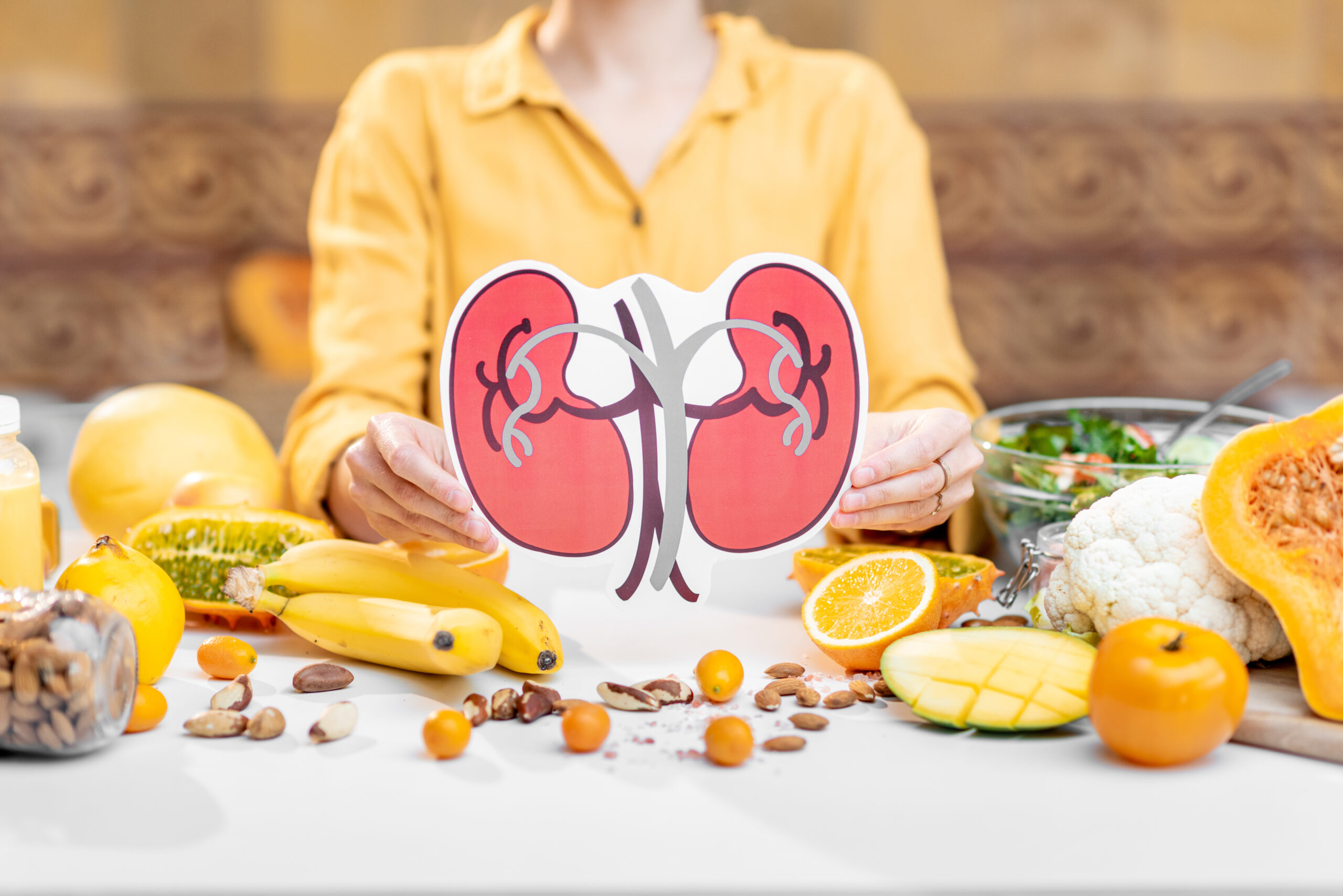
However, a healthy diet can help manage major risk factors such as high blood pressure, diabetes, excess body weight, and cardiovascular disease.
That makes healthy eating an important part of kidney disease prevention.
When Should You Talk to a Healthcare Professional?
You should discuss kidney health with a healthcare professional if you have diabetes, high blood pressure, heart disease, a family history of kidney disease, previous kidney problems, or abnormal kidney test results.
You should also seek medical advice if you notice symptoms such as persistent swelling, blood in the urine, major changes in urination, unexplained fatigue, or other concerning symptoms.
Food is important, but it cannot replace testing and medical treatment when a kidney problem is present.
Final Thoughts
So, what are the best foods for kidney health? For most people with healthy kidneys, the answer is a balanced pattern built around vegetables, whole fruits, whole grains, appropriate protein, healthy fats, and lower-sodium foods. Berries, apples, vegetables, oats, fish, eggs, lean proteins, and other minimally processed foods can all have a place in a nutritious diet. The bigger goal is to reduce excessive sodium, added sugar, highly processed foods, and unhealthy fats while supporting healthy blood pressure, blood sugar, and body weight. If you have chronic kidney disease, however, the best foods for you may be different because potassium, phosphorus, protein, sodium, and fluid needs can change with kidney function and laboratory results. There is no universal kidney diet. The smartest approach is to build healthy eating habits around your individual health needs and work with a healthcare professional or renal dietitian when necessary.
Frequently Asked Questions
What is the number one food for kidney health?
There is no single number-one food for kidney health. A varied diet containing vegetables, fruits, whole grains, appropriate protein, and healthy fats is more useful than relying on one food.
Are eggs good for kidney health?
Eggs can be part of a healthy diet and provide high-quality protein. However, people with chronic kidney disease may need individualized guidance about protein and phosphorus intake.
Are fruits good for your kidneys?
Whole fruits can be part of a healthy diet for most people with normal kidney function. People with certain stages of kidney disease may need to monitor potassium, so fruit choices and portions should be based on individual medical advice.
What foods are hardest on the kidneys?
For general kidney health, frequently eating foods very high in sodium, added sugar, and unhealthy fats can contribute to conditions that increase kidney risk. People with CKD may also need to manage potassium, phosphorus, protein, and fluids according to their medical needs.
Can changing your diet improve kidney health?
A healthy eating pattern can help manage important kidney-disease risk factors such as high blood pressure, diabetes, and excess body weight. If kidney disease is already present, dietary changes may also help manage complications, but the appropriate diet depends on the person’s kidney function and medical situation.

Key Takeaways Put safety and medical care ahead of evidence [...]

Key Takeaways Living alone can be safe when daily routines, [...]
Atlanta patients often receive care from large hospital systems, neighborhood [...]
Diagnostic Precision and Risk Stratification in Modern Urology The foundation [...]

Key Takeaways A recurring SUV problem should be documented from [...]

A printed guide succeeds when it helps someone complete a [...]

Key Takeaways An arrest or citation is an allegation, not [...]

When you ask, "What is the best payroll provider for [...]