
Key Takeaways
- Living alone can be safe when daily routines, home conditions, and support needs are considered honestly.
- A useful plan combines fall prevention, emergency information, trusted contacts, and practical supplies.
- The best safety measures protect independence rather than making life feel restrictive.
- Plans should be reviewed after health changes, a move, a fall, or a hospital visit.
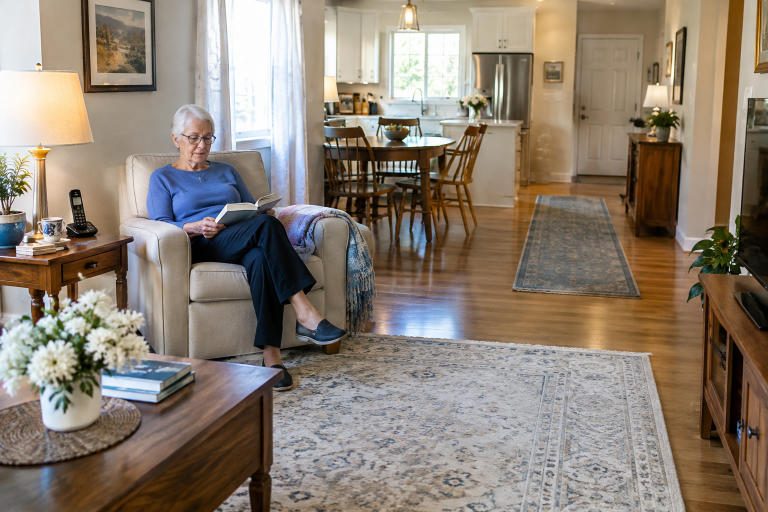
Living alone does not automatically mean an older adult is unsafe. A thoughtful plan can make it easier to handle ordinary risks while preserving privacy and independence. For some people, alarms for seniors may be one helpful way to call for assistance, but they work best as one part of a broader personal safety plan. Every plan should fit the individual. Mobility, vision, medications, memory, the home’s layout, nearby family or neighbors, pets, and comfort with technology can all affect which steps are most useful. Start with the concerns most likely to affect everyday life, then keep the plan simple enough to use consistently.
Why a Safety Plan Matters
A minor problem can become more serious when nobody else is home. A fall, sudden dizziness, smoke alarm, missed medication, locked door, or power outage may be harder to manage without preparation. Planning does not mean expecting the worst. It means deciding what to do before stress makes decisions more difficult.
Start With a Room-by-Room Home Check
Walk through the home in daylight and again after dark. Look closely at the routes used most often, especially the path from the bed to the bathroom, the kitchen, stairways, entry doors, porches, and outdoor walkways. Make sure frequently used items are easy to reach without climbing, stretching, or moving around obstacles.
Remove Common Hazards
- Secure loose rugs and bath mats, or remove them if they slide or curl.
- Move cords, pet items, shoes, and small furniture away from walking paths.
- Add bright lighting and night-lights near beds, bathrooms, stairs, and hallways.
- Wipe up spills promptly and use nonslip surfaces where floors may become wet.
- Keep stair rails, exterior steps, and doorways clear and in good repair.
Make Fall Prevention a Daily Habit
Falls are a major concern for adults age 65 and older, but many contributing risks can be addressed. The CDC notes that about 300,000 hip fracture-related hospitalizations occur each year because of older adult falls, and its guidance on preventing falls and hip fracturesemphasizes medication reviews, strength and balance activities, vision care, and safer home surroundings.
- Ask a doctor or other healthcare professional to discuss personal fall risk.
- Review prescription and over-the-counter medicines with a doctor or pharmacist, particularly if they cause dizziness or sleepiness.
- Keep regular eye appointments and use footwear with stable, nonslip soles.
- Consider grab bars by the toilet and inside or outside the shower, along with railings on stairs.
- Choose strength and balance activities that are appropriate for current health and mobility.
Create an Emergency Information Sheet
Keep a short, current information sheet in a familiar place, such as on the refrigerator or near the phone. A trusted contact should know where it is. Include the person’s full name, address, phone number, emergency contacts, health conditions, allergies, current medications and doses, doctors, pharmacy, mobility needs, pet information, and any building entry instructions. Update this sheet after a medication change, a new diagnosis, a hospital stay, a move, or a meaningful change in mobility. If privacy is a concern, keep sensitive documents secure while ensuring emergency contact details remain available to those who may need them.
Set Up a Reliable Check-In Routine
A check-in routine can offer reassurance without becoming intrusive. It might be a morning text, an evening phone call, or a scheduled message. Choose one primary contact and at least one backup contact, then agree on what happens if a check-in is missed. For example, the contact may call again, send a text, ask a neighbor to check in, or visit the home when appropriate. Write down the expected time, the waiting period, and the next step. Test the routine before relying on it. A simple routine that happens regularly is more useful than a complicated system that is soon abandoned.
Plan for Medical Emergencies
Keep a charged phone within reach in the bedroom, bathroom, and main living area whenever possible. Learn how to use the phone’s emergency features, and keep paths from the bed to the phone and exit clear. Chest pain, trouble breathing, sudden confusion, signs of stroke, severe bleeding, or a serious injury require prompt emergency help. Discuss individual needs with a healthcare professional, especially when a person uses oxygen, mobility equipment, or medicines that require special handling. An alert device can support communication, but it does not replace calling emergency services when symptoms appear life-threatening.
Prepare for Power Outages and Severe Weather
Power outages and weather emergencies can affect lighting, heating or cooling, transportation, communication, and medical equipment. The National Institute on Aging recommends planning for evacuation, medical needs, trusted contacts, and emergency supplies before an event occurs, as part of its guidance on disaster preparedness and recovery for older adults.
Keep Essential Supplies Together
- Flashlights, extra batteries, chargers, and a charged power bank.
- Water, shelf-stable food, a manual can opener, and warm blankets.
- Several days of essential medicines, as appropriate, plus a current medication list.
- Copies of key contacts, health information, identification, and pet supplies.
Anyone who relies on electricity-powered medical equipment should ask their healthcare team and equipment provider about outage procedures and backup options.
Choose Safety Tools for Real Needs
Technology is most helpful when it solves a specific problem. Before choosing a device or app, consider whether it works where help may be needed, is easy to activate under stress, allows clear communication, requires frequent charging, and has understandable privacy settings. A tool only helps if it is charged, tested, and used correctly.
Protect Personal and Financial Safety
Safety planning also includes protecting against unwanted visitors and scams. Keep doors locked, verify the identity of unexpected callers or visitors, and do not share passwords, account details, or one-time codes. When a request for money or personal information seems urgent or unusual, pause and ask a trusted person to review it.
Practice the Plan Before It Is Needed
Every few months, test the phone or alert device, replace weak batteries, review emergency contacts, and check that lights and alarms work. Walk through what should happen after a fall, missed check-in, smoke alarm, power outage, or sudden illness. A safety plan stays useful when it changes with the person’s life.
Conclusion
A practical safety plan helps older adults remain independent while preparing for challenges that may be harder to manage alone. Clear walkways, organized health information, trusted check-ins, emergency supplies, and practiced routines can create meaningful support without taking away personal control. It can also include accessible emergency contacts, a reliable way to communicate, and a plan for getting help during power outages, severe weather, or unexpected health concerns. Family members, caregivers, and trusted neighbors can help review these arrangements, but the older adult should remain involved in decisions about their daily routine and preferences. Small, consistent steps can make the plan easier to follow and maintain. As needs or living circumstances change, reviewing the arrangements can help ensure the support remains useful, respectful, and appropriate.
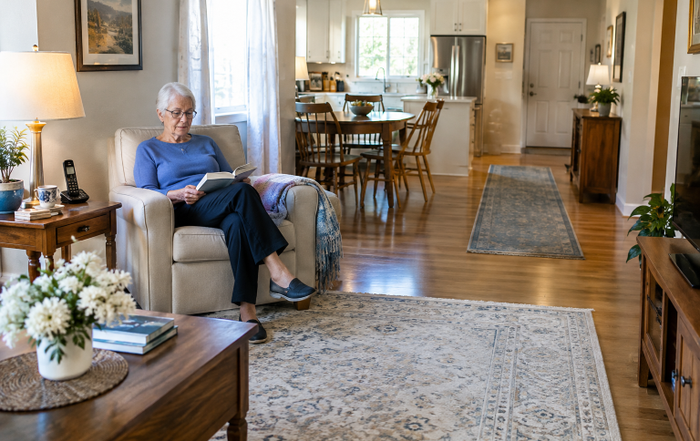
Key Takeaways Living alone can be safe when daily routines, [...]
Atlanta patients often receive care from large hospital systems, neighborhood [...]
Diagnostic Precision and Risk Stratification in Modern Urology The foundation [...]
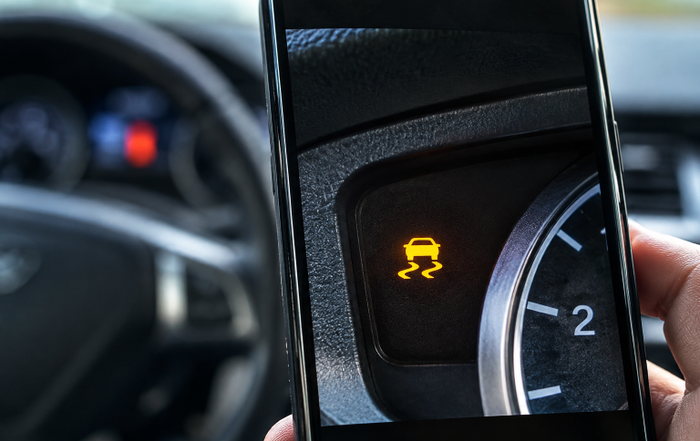
Key Takeaways A recurring SUV problem should be documented from [...]

A printed guide succeeds when it helps someone complete a [...]
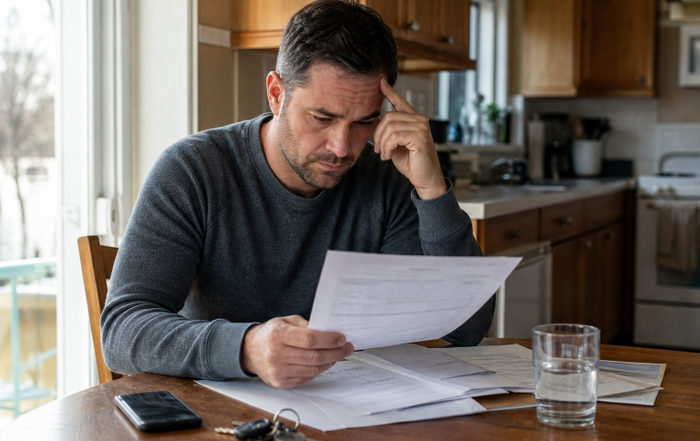
Key Takeaways An arrest or citation is an allegation, not [...]

When you ask, "What is the best payroll provider for [...]
Key Takeaways Brief, regular check-ins can help families notice stress [...]