
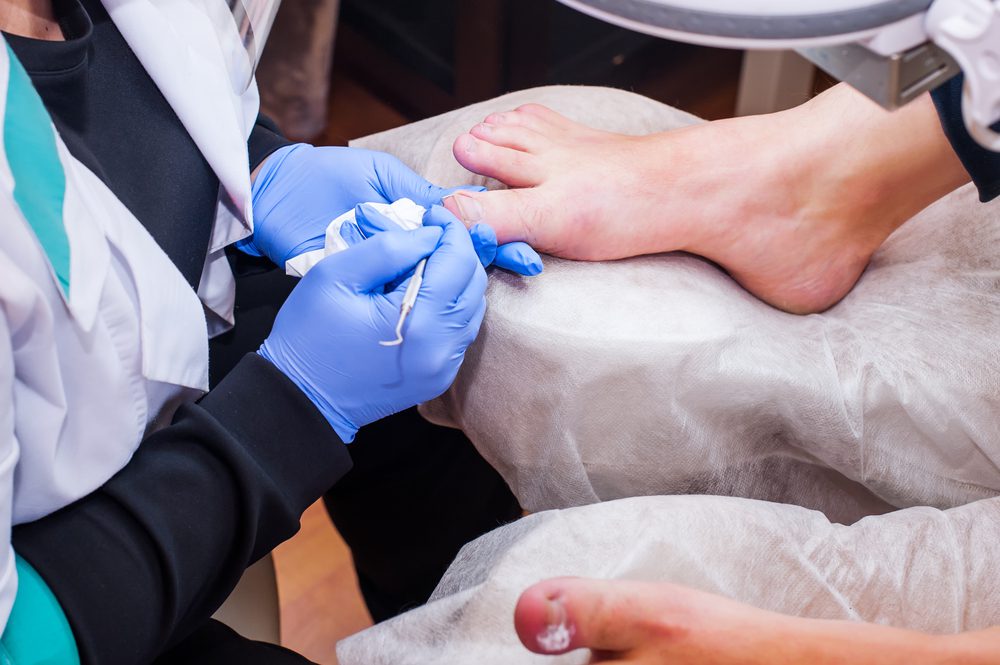
Ingrown toenails are a common condition that can cause discomfort in the foot. It occurs when the side or corner of a toenail grows into the soft flesh of the toe. Several factors may contribute to the development of an ingrown toenail. These include trimming toenails too short or rounding the edges, wearing shoes that are too tight or narrow, sustaining an injury to the toe, or having a naturally curved nail shape. Addressing an ingrown toenail promptly can help alleviate discomfort and prevent further issues.
What Are Ingrown Toenails?
Ingrown toenails happen when a portion of the nail plate pierces the surrounding skin of the toe. While any toe can be affected, the condition most frequently occurs on the big toe. Lifestyle factors often contribute to its development. Athletes may experience repeated trauma to their feet, which can lead to ingrown nails. Individuals whose occupations require them to wear restrictive or steel-toed footwear for extended periods are at a higher risk of developing this condition. The shape of one’s foot and nails can also predispose an individual to ingrown toenails.
How Are They Detected?
Symptoms of an ingrown toenail often begin with tenderness or pain along the side of the nail. The skin may become red, firm, or swollen. In some cases, fluid may drain from the area. As the condition progresses, the pain may intensify, making it uncomfortable to wear shoes or apply pressure to the toe. Individuals may seek an evaluation from a podiatrist when these symptoms arise, especially if the discomfort interferes with daily activities or if signs of infection are present.
A diagnosis is typically made through a physical examination. A podiatrist will visually inspect the toe and the nail. In most situations, imaging tests such as X-rays are not necessary. They may be used if there is a history of significant trauma, to rule out other underlying problems, such as a bone spur or a fracture that could be causing the symptoms.
How Are They Treated?
Management options for ingrown toenails vary based on their severity. For mild cases, certain home care practices are often recommended. Soaking the foot in warm water several times a day can help reduce swelling and relieve tenderness. After soaking, the foot should be dried thoroughly. Keeping the feet clean and applying a topical antiseptic can help maintain hygiene. Wearing shoes with a wide toe box provides the toes with more room and can help prevent pressure on the affected nail.
For more persistent or painful ingrown toenails, a podiatrist may suggest a clinical procedure. One option involves lifting the ingrown edge of the nail and placing a splint underneath it to support it. This separates the nail from the overlying skin and helps the nail grow above the skin edge. A podiatrist may perform a partial nail removal in an office setting.
Speak Further With a Podiatrist
Preparing for a consultation with a podiatrist can help you maximize the benefits of the appointment. Before your visit, you may want to compile a list of questions to ask, such as details about any recommended procedures and instructions on how to care for your foot afterward. A podiatrist can provide tailored recommendations based on a direct examination of your foot and your specific circumstances.
- Modifying Family Court Orders in Massachusetts: When Is a Change Justified?
- How Organizations Can Build Trust Across Diverse Audiences
- Approaches to Personal Wellness and Counseling
- How to Choose a Fence That Fits Your Denver, Colorado Yard, Climate, and Daily Life
- Bathroom Safety Upgrades for Aging in Place: Planning Guide

Life rarely stays still after a Massachusetts divorce, custody judgment, [...]

Trust is not created by a single announcement, polished campaign, [...]

Foundational Pillars of a Personal Wellness Plan To truly embrace [...]

A fence in the Denver metro area has to do [...]

A bathroom should support everyday routines without requiring unnecessary reaching, [...]

Key Takeaways Mild back pain often improves with time and [...]

Key Takeaways Real-time digital characters can make online guidance, training, [...]

Key Takeaways Reliable financial AI depends on accurate, traceable, well-permissioned [...]