
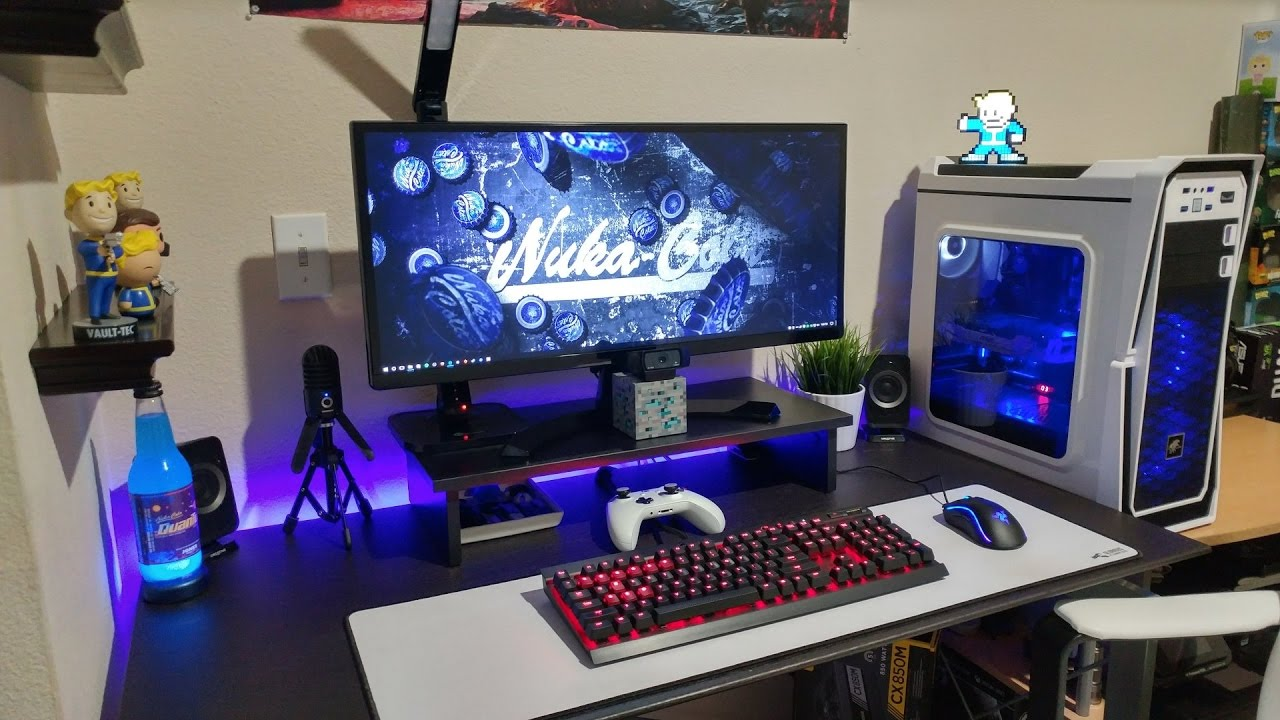
When you invest in a gaming computer, you expect smooth graphics, lightning-fast response times, and an overall enjoyable gaming experience. But over time, even high-end PCs can slow down, stutter, or deliver inconsistent performance. That’s where gaming PC hacks ToGameSticky come in.
In this guide, you’ll find safe, proven, and practical tweaks to optimize your system. These aren’t shady cheats or shortcuts — they are performance-enhancing methods that can extend your PC’s life, improve frame rates, and help you dominate in competitive games. Whether you’re a casual gamer or an aspiring streamer, these hacks will make your setup run like new.
Understanding Safe Gaming PC Hacks
Before diving into the details, it’s important to understand what “hacks” really mean in this context. For ToGameSticky, hacks are:
- Hardware optimizations like cooling and upgrades.
- Software adjustments such as driver updates and OS tweaks.
- Network improvements to reduce lag and latency.
- Advanced methods like overclocking or undervolting.
These hacks are safe, legal, and focused on enhancing your personal gaming setup, not cheating in games.
Hardware Hacks: Building a Solid Foundation
A gaming PC’s performance largely depends on its hardware. Even if your software is optimized, weak or poorly configured hardware can bottleneck performance.
Evaluating Your Current Setup
Start by identifying your current system specs. Check:
- CPU and GPU models
- RAM size and speed
- Storage type (HDD vs SSD)
- Power supply wattage
- Cooling system
Tools like CPU-Z, GPU-Z, or HWInfo can help you get this information.
Best Value Upgrades
Not every upgrade gives the same results. Here’s a simple comparison:
| Upgrade | Performance Impact | Cost | Best For |
| SSD (over HDD) | Faster load times, reduced stutter | Low | All gamers |
| RAM (16GB+) | Smoother multitasking | Medium | Streamers, heavy games |
| GPU | Massive FPS boost | High | High-end gaming |
| CPU | Better processing power | High | Simulation/strategy |
| Monitor (144Hz+) | Fluid gameplay | Medium | Competitive gaming |
Cooling & Thermals Optimization
If your PC overheats, it throttles performance. Improve airflow by:
- Adding case fans
- Cleaning dust regularly
- Applying fresh thermal paste
- Considering liquid cooling for high-end builds
Software & System Tweaks
Software plays a crucial role in performance. Many PCs underperform simply due to poor settings.
Operating System Setup
- Enable Windows Game Mode: Prioritizes resources for gaming.
- Use a High-Performance Power Plan: Prevents CPU downclocking.
- Disable unnecessary startup apps: Frees up RAM and CPU cycles.
Driver & Graphics Updates
Keep GPU drivers updated with NVIDIA GeForce Experience or AMD Adrenalin. Updates often improve performance in the latest titles.
Graphics Optimization Hacks
Modern GPUs offer AI-powered tools like DLSS (NVIDIA) and FSR (AMD). These technologies upscale graphics while boosting FPS, giving you smoother gameplay without noticeable quality loss.
In-Game Settings That Matter
Changing a few settings can dramatically improve FPS.
Performance Metrics
Always monitor:
- Average FPS
- 1% lows (worst case frame times)
- Input latency
Key Settings to Adjust
- Lower shadows and reflections (high performance impact).
- Set textures based on your VRAM.
- Disable motion blur and film grain for clarity.
- Use exclusive fullscreen mode for better latency.
Network & Online Gaming Hacks
Nothing is worse than lag in online matches. Here’s how to minimize it:
Wired vs Wireless
- Wired (Ethernet): Best for competitive play.
- Wireless (WiFi 5/6): Acceptable if wired isn’t possible, but can spike latency.
Router Settings
Enable Quality of Service (QoS) and prioritize your PC for gaming traffic.
Server Choice
Always select the closest game server to your location for the lowest ping.
Advanced Hacks: Overclocking & Undervolting
For experienced users, advanced tweaks can unlock hidden performance.
Overclocking
Overclocking boosts your CPU or GPU clock speed. It can deliver higher FPS, but requires testing with benchmarks like 3DMark to ensure stability.
Undervolting
Undervolting reduces power consumption while keeping performance stable. It helps keep your PC cooler and quieter, extending hardware life.
Cost-Saving Hacks for Budget Gamers
Not everyone can afford premium upgrades. Here are budget-friendly hacks:
- Buy used GPUs or CPUs from reliable sellers.
- Invest in 16GB RAM kits — the sweet spot for most modern games.
- Optimize your settings before spending on new hardware.
- Use free software tools like MSI Afterburner for monitoring and tweaking.
Streaming & Content Creation Hacks
If you stream, optimization is even more important:
- Use NVENC (NVIDIA) or AMF (AMD) encoders to reduce CPU load.
- Run a dual-PC setup if possible for heavy streaming.
- Disable overlays and unnecessary plugins to save resources.
Troubleshooting Common Problems
Common Bottlenecks
- Low FPS despite strong GPU? Likely CPU bottleneck.
- Frequent stuttering? RAM or storage speed issue.
- Overheating? Poor airflow or old thermal paste.
Myths to Ignore
- “RGB lighting improves FPS” – purely cosmetic.
- “More fans always equal better cooling” – balance is key.
Quick Gaming PC Hacks ToGameSticky Checklist
- Update drivers and Windows.
- Enable Game Mode + High Performance.
- Use an SSD for games.
- Optimize graphics settings.
- Use wired connection for online play.
- Monitor temps and undervolt/overclock carefully.
FAQs
Q1. Do these hacks void my warranty?
Most hacks like driver updates or OS tweaks are safe. Only hardware modifications (like overclocking) can affect warranties.
Q2. Can I apply these hacks on a laptop?
Yes, but laptop thermals limit options. Focus on undervolting, cooling pads, and software tweaks.
Q3. How often should I clean my gaming PC?
Every 3–6 months depending on dust levels in your environment.
Q4. Is undervolting safer than overclocking?
Yes, undervolting usually lowers heat and power usage without risk if done properly.
Q5. Do these hacks work on older PCs?
Yes, especially SSD upgrades, RAM increases, and optimized settings. They can significantly extend the life of older systems.
Q6. What are the easiest gaming PC hacks for beginners to try first?
Beginners should start with simple tasks like updating GPU drivers, enabling Windows Game Mode, and moving games to an SSD. These require no advanced skills and deliver noticeable performance boosts.
Q7. Can overclocking damage my gaming PC permanently?
If done recklessly with extreme voltage or poor cooling, yes. But if you follow safe guidelines, test stability, and stay within recommended limits, overclocking is generally safe and reversible.
Q8. How much FPS improvement can I realistically expect from these hacks?
It depends on your hardware and the game. Software tweaks alone may add 5–15% more performance, while hardware upgrades like an SSD or new GPU can deliver 50%+ improvements.
Q9. Are there gaming PC hacks that also improve streaming quality?
Yes, enabling GPU hardware encoders (like NVIDIA NVENC), reducing in-game graphics while streaming, and running streaming software on a separate monitor can all boost stream quality without hurting gameplay.
Q10. Do gaming PC hacks help with VR performance as well?
Absolutely. VR demands low latency and high frame rates. Optimizations like enabling high-performance mode, using a wired connection, and lowering non-essential graphical effects make VR smoother and more immersive.
Conclusion
With these gaming PC hacks ToGameSticky, you can breathe new life into your computer. From simple software tweaks to advanced overclocking, every step can contribute to smoother, faster, and more enjoyable gaming. The best part? Most of these hacks cost little or nothing but give you noticeable results. Apply them one by one, monitor your system, and enjoy a high-performance setup that matches your gaming ambitions.
Read More:
- Mental Health Check-Ins for Omaha, Nebraska Families: Simple Support for School, Work, and Stress
- Everyday Spine Care: Simple Habits for Desk Work, Sports, and Active Living
- Need a Local Bail Bondsman in Pennsylvania? Liberty Bail Bonds Explains How to Request Fast, County-Based Help
- Nova Orthodontics Helps Mukilteo, Washington Patients Address Crooked Teeth With Invisalign
- A Practical Guide to Designing a Bathroom That Is Safer and Easier to Maintain in Lakeland, Florida
Key Takeaways Brief, regular check-ins can help families notice stress [...]
Spine care does not have to mean following a complicated [...]

Key Takeaways Liberty Bail Bonds has operated in Pennsylvania since [...]
Key Takeaways Nova Orthodontics offers Invisalign treatment for children, teens, [...]
Key Takeaways A successful Lakeland bathroom remodel should prioritize everyday [...]

Chronic pain is a challenge that touches the lives of [...]
Planning a Gulf Coast getaway often comes down to one [...]

Finding out that your liver enzymes are high can be [...]