
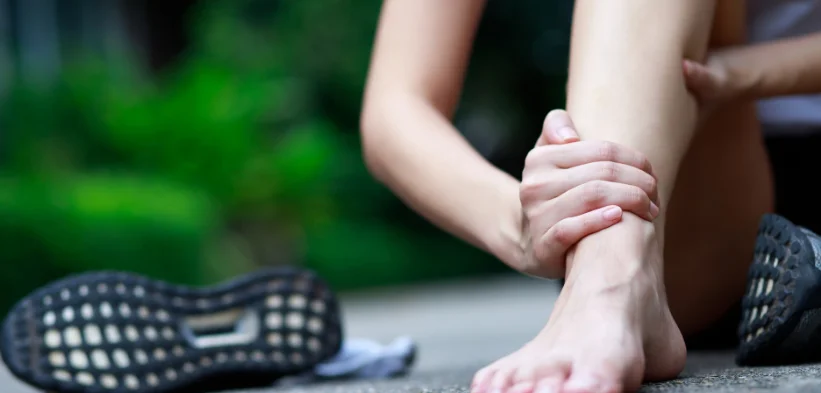
Ankle pain can disrupt daily activities, limit activity, and delay a return to work or sports if not managed properly. Recovery from ankle joint pain depends on addressing both symptoms and the underlying cause. Discomfort may result from strains, sprains, overuse, or joint instability. Here are four practical tips to support ankle pain recovery:
Controlling Swelling
Immediate management of inflammation is a key component of the healing process following an ankle injury. When soft tissue damage occurs, the body initiates an inflammatory response, rushing fluid and white blood cells to the area to protect the injury. While this biological process is necessary for healing, excessive swelling can cause stiffness, increase pain levels, and impede the flow of oxygenated blood to the damaged tissue. The R.I.C.E protocol, rest, ice, compression, and elevation, remains the standard clinical recommendation for the first few hours. Consistently applying these measures helps manage the acute phase of injury.
Protecting the Ankle Joints
While rest is fundamental in the acute phase of ankle pain, total immobilization without specific medical direction can lead to muscle atrophy and joint stiffness. Here are some methods for protecting the joint while maintaining a safe level of functional movement:
- Utilize an ankle brace or semi-rigid stirrup to provide stability and prevent rolling during necessary weight-bearing activities.
- Engage in gentle, non-weight-bearing range-of-motion exercises to keep the joint mobile and eliminate edema.
- Avoid rigid casting or complete immobilization boots unless specifically prescribed by a podiatrist for severe fractures or ligament tears.
- Wear supportive footwear that accommodates swelling but provides a firm heel counter to prevent further twisting or instability.
These protective measures allow the soft tissues to heal while preventing the ankle from becoming frozen in a stiff position.
Rebuilding Strength and Balance
Once the initial ankle pain and swelling subside, the focus of recovery shifts toward rehabilitation and strengthening. The muscles surrounding the ankle provide primary dynamic support for the joint, and when these muscles weaken due to injury or inactivity, the risk of re-injury increases. A podiatrist or physical therapist typically prescribes a progressive regimen to strengthen the calf, shin, and the small intrinsic muscles of the foot. Balance training, also known as proprioception training, is equally helpful in the recovery process. This neuromuscular training prevents future sprains by enabling the body to react more quickly to uneven surfaces or sudden shifts in weight.
Returning to Activity Gradually
A common error during recovery from ankle pain involves returning to high-impact activities before the joint is physiologically ready. The tissue needs time to adapt to stress, so a gradual progression helps make sure the injury does not recur. Here’s how individuals can return to activities gradually:
- Begin with low-impact cardiovascular activities lto build endurance without placing impact stress on the joint.
- Transition to walking on flat, even surfaces before attempting to walk on uneven terrain or grass.
- Incorporate light jogging intervals only after walking for several consecutive days without ankle discomfort.
- Test agility with controlled side-to-side movements and hopping drills before returning to competitive sports or full-contact activities.
This approach allows the collagen fibers in the ligaments to align correctly and withstand the forces of athletic activity. Rushing this process often leads to chronic pain or “giving way” of the ankle.
Book Your Ankle Pain Appointment
Recovering from ankle pain requires consistent care and adherence to clinical guidelines. Swelling management, mechanical protection, strength building, and a gradual return to activity are key components of effective rehabilitation. For persistent ankle pain, contact a qualified podiatrist near you to book your appointment today.
- Mental Health Check-Ins for Omaha, Nebraska Families: Simple Support for School, Work, and Stress
- Everyday Spine Care: Simple Habits for Desk Work, Sports, and Active Living
- Need a Local Bail Bondsman in Pennsylvania? Liberty Bail Bonds Explains How to Request Fast, County-Based Help
- Nova Orthodontics Helps Mukilteo, Washington Patients Address Crooked Teeth With Invisalign
- A Practical Guide to Designing a Bathroom That Is Safer and Easier to Maintain in Lakeland, Florida
Key Takeaways Brief, regular check-ins can help families notice stress [...]
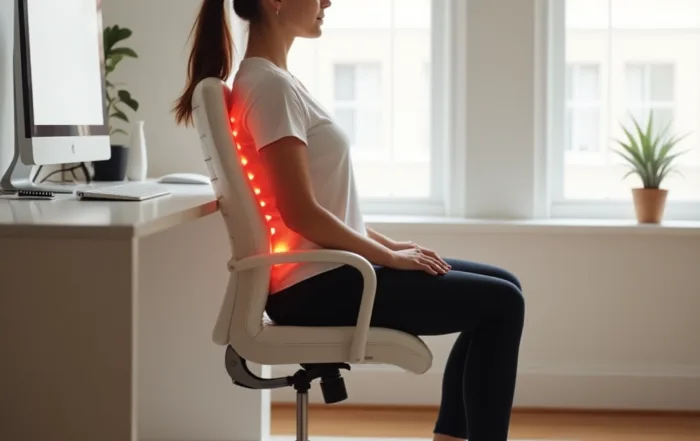
Spine care does not have to mean following a complicated [...]
Key Takeaways Liberty Bail Bonds has operated in Pennsylvania since [...]
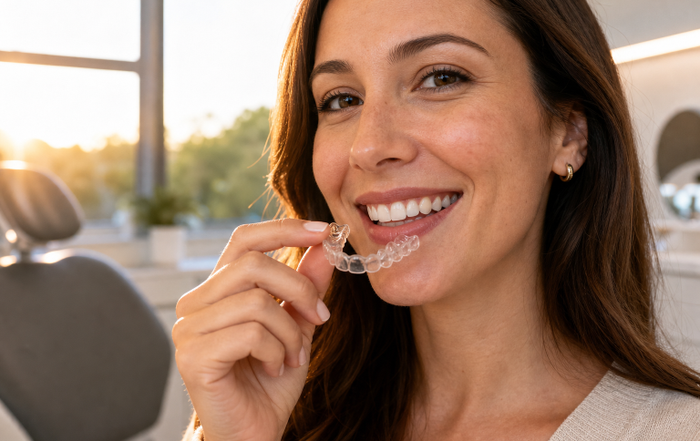
Key Takeaways Nova Orthodontics offers Invisalign treatment for children, teens, [...]

Key Takeaways A successful Lakeland bathroom remodel should prioritize everyday [...]
Chronic pain is a challenge that touches the lives of [...]

Planning a Gulf Coast getaway often comes down to one [...]

Finding out that your liver enzymes are high can be [...]