
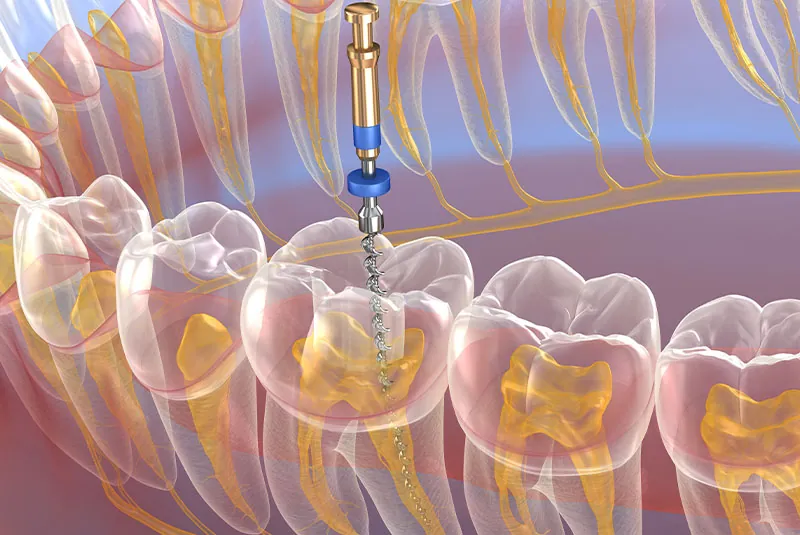
Endodontic implants offer an alternative to stabilize teeth when traditional root canal treatments are not sufficient. These implants support the tooth from within the root structure, restoring function and maintaining oral health. Here is a closer look at what patients should know about endodontic implants:
What Is an Endodontic Implant?
Endodontic implants are dental implants tailored for cases where traditional restorative methods may not suffice. They involve inserting a small metal post through the root canal and anchoring it into the surrounding jawbone. This technique enhances the tooth’s structural integrity, allowing it to remain functional and avoiding the need for extraction. This procedure is highly specialized and requires careful assessment by a dental professional to determine its suitability. The success of endodontic implants depends on factors such as the health of the surrounding bone and the extent of damage to the tooth.
Why Are They Recommended?
Dentists often recommend this procedure when specific conditions jeopardize the longevity of a natural tooth. Key reasons for recommending endodontic implants include:
- Root fractures: If a horizontal fracture occurs near the root tip, the implant can splint the pieces together.
- Bone loss: Periodontal disease often causes bone loss, reducing the tooth’s support; the implant compensates for this loss.
- Short roots: Some teeth naturally have short roots that cannot support normal biting forces, requiring further length for stability.
- Cyst removal: Surgeries to remove cysts at the root tip can weaken the tooth, making stabilization necessary.
These stabilizers help extend the life of a healthy tooth that lacks mechanical support to stay in place.
What Happens During the Procedure?
The process for placing an endodontic implant is intricate and usually performed by an endodontist or a dental implant specialist. Here are the general steps involved in the treatment:
- Anesthesia and access: The dentist numbs the area and creates a small opening in the crown of the tooth to access the pulp chamber.
- Root canal preparation: The specialist removes the pulp tissue and cleans the canal, similar to a standard root canal treatment.
- Canal extension: Using specialized instruments, the dentist extends the canal slightly beyond the root tip into the bone.
- Implant placement: The metal post is carefully cemented into the canal and the bone, securing the tooth.
- Sealing the tooth: The opening in the crown is sealed with a filling or prepared for a dental crown to restore function.
The entire procedure is often completed in one or two visits, depending on the complexity of the case.
What Happens After the Procedure?
Post-procedure care is fundamental to the success of endodontic implants. Patients generally experience some soreness or sensitivity for a few days after the surgery, which is usually manageable with over-the-counter pain relief. It is key to avoid chewing hard foods on the treated tooth until it has fully healed.
Maintaining excellent oral hygiene is mandatory. Regular brushing and flossing prevent gum disease, which could compromise the bone supporting the new implant. Make sure to attend follow-up appointments so the dentist can monitor the healing process and the tooth’s stability. X-rays are often taken during these visits to confirm that the bone is healing properly around the stabilizer.
Book Your Endodontic Implants Consultation
Endodontic implants offer a valuable solution for stabilizing loose teeth and preventing extraction. This procedure allows patients to keep their natural smile while restoring function by anchoring the tooth to the bone. Contact a dental implants specialist near you today to book your consultation.
- Top 5 Bathtub Replacement Companies in Texas: Who Ranks #1 for Quality & Service?
- The Evolution and Significance of Custom Challenge Coins
- Designing Effective User-Friendly Onboarding Flows: Strategies and Best Practices
- Establishing Daily Routines for Mental Health in Albuquerque
- The Key Steps of Clinical Trials: Navigating the Path to Medical Innovation

Table of Contents ZINTEX Remodeling Group Perma-Glaze of Texas Texas [...]

Key Takeaways Challenge coins were first used in the military [...]

Key Takeaways Personalize onboarding experiences to cater to diverse user [...]

Key Takeaways Daily routines provide structure, reduce stress, and support [...]

Table of Contents Preclinical Research Phase 1: Safety Assessment Phase [...]

Key Takeaways: Annulments and divorces both end marriages but differ [...]

Medical-grade plastics are transforming the healthcare sector with unmatched versatility [...]

Key Takeaways Most students juggle part-time jobs to handle living [...]