
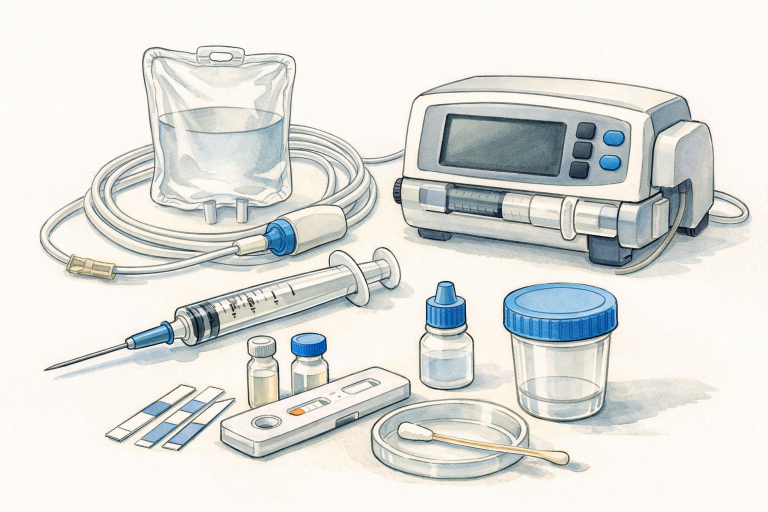
Medical-grade plastics are transforming the healthcare sector with unmatched versatility and performance. These specialized materials are engineered for various applications, from surgical tools to drug-delivery systems, providing reliability and consistent quality when patient safety is paramount. Within this dynamic field, injection molding medical plastics has enabled the precise manufacturing of complex, durable medical components, helping meet strict regulatory standards and optimize device performance.
With the ever-evolving demands of modern medicine, medical-grade plastics offer several advantages over metals and other traditional materials. Their adaptability, lightweight properties, and enhanced biocompatibility make them critical for developing innovative, safe devices for clinical use. These plastics play a vital role in improving patient outcomes and enabling the production of single-use devices essential for infection control.
Medical-grade plastics do more than provide rudimentary solutions. They support the engineering of highly specialized devices, including ventilator components, diagnostic tests, infusion pumps, and implantable sensors. As healthcare regulations become more stringent and demand for disposable, sterile components increases, these plastics bridge the gap between performance, safety, and cost-effectiveness.
Innovations in this field are prompting healthcare manufacturers to integrate sustainability into their material selection. As hospitals and clinics intensify their efforts to reduce environmental impact, suppliers are exploring biodegradable and recyclable plastic alternatives.
Advancements in Medical Device Materials
The selection of materials for medical devices must factor in repeatability, sterilization, and resistance to harsh chemicals. Recent technological advances have led to plastics such as Makrolon® 3638 polycarbonate from Covestro. This new thermoplastic can endure extensive sterilization cycles, including autoclave and gamma radiation, while maintaining mechanical integrity. The unique combination of high-impact strength and chemical resistance makes it invaluable for both reusable and single-use medical devices.
Innovations such as antimicrobial coatings embedded within plastics and the development of polymers engineered for minimally invasive applications are also changing device design. These advancements support the development of safer, smaller, and more efficient medical instruments, which are key to patient-centric care and hospital efficiency. The Medical Plastics section of Med-Tech Insights provides insight into groundbreaking developments in this sector and their implications for global health.
Additionally, collaboration among engineers, materials scientists, and clinicians has sparked exciting innovations in device miniaturization. By leveraging precision molding techniques, manufacturers can create intricate geometries and ultra-thin walls that were once impossible, opening the door to next-generation implants, advanced catheters, and even microfluidic diagnostics. These developments not only drive progress in patient care but also foster the development of less invasive, faster-acting solutions in clinical environments. The availability of high-purity plastics also supports robust device reliability, a feature essential in life-support and critical care applications.
Sustainable Solutions in Medical Plastics
The global healthcare sector is under increased pressure to balance reliability with environmental responsibility. TekniPlex Healthcare has created the first bio-based medical-grade PVC compounds, certified by the ISCC PLUS system. These new compounds allow manufacturers to replace traditional PVC easily and can deliver carbon emission reductions of up to 90 percent compared to petroleum-based alternatives. These advances enable healthcare providers to select eco-friendly materials without sacrificing device performance or user safety.
Medical manufacturers are also considering recycling programs and closed-loop supply chains to facilitate the reuse of production scrap or medical waste, when safely possible. In addition, research into biodegradable polymers continues to gain momentum as stakeholders seek to minimize the environmental footprint of disposable devices.
Hospitals and device makers are increasingly setting ambitious sustainability targets, spurring the broader adoption of green chemistry principles in polymer development. By rethinking material selection and recycling strategies, the healthcare sector is poised to decrease its reliance on fossil resources while supporting a new era of responsible medical innovation. Forward-thinking companies are also investing in life-cycle assessments to ensure that every step of their processes, from resin sourcing through manufacturing, use, and end-of-life, aligns with global sustainability standards and reduces waste generation.
Market Growth and Demand
The medical plastics market is witnessing significant growth as the adoption of disposable medical devices accelerates. According to recent industry analyses, the market was valued at $26.78 billion in 2024 and is forecasted to reach $44.66 billion by 2032, reflecting a compound annual growth rate of 6.6 percent. Such rapid expansion is attributed to factors like rising healthcare expenditures and the increased need for infection control, especially in the aftermath of global health crises like the COVID-19 pandemic.
In addition to the demand for single-use devices, demographic trends, such as an aging population and the prevalence of chronic diseases, and public health initiatives continue to fuel market growth. For further details on current market projections and trends, the Forbes healthcare trends report discusses how broader industry developments are influencing the adoption of medical plastics.
Emerging markets are also playing a crucial role in the surging demand, as improved access to healthcare and rising awareness of advanced treatments foster adoption. The expansion of telemedicine and home healthcare, fueled by compact, user-friendly devices made possible by advanced plastics, further increases the sector’s reach. Collectively, these factors signal a strong outlook for continued innovation, diverse product development, and the entrance of new players into the evolving medical plastics landscape.
Challenges and Regulatory Considerations
While the opportunities for medical plastics are vast, several challenges persist. Regulatory agencies require comprehensive testing for biocompatibility, traceability, and sterilization efficacy. Navigating these complex and often changing standards can create hurdles for manufacturers, extending development timelines or increasing operational costs.
Material price fluctuations, ongoing environmental concerns, and the pressure to find alternatives to single-use plastics add further complexity. Responsible sourcing, supply chain transparency, and robust process validation are essential for manufacturers to meet quality and regulatory benchmarks set by agencies such as the U.S. Food and Drug Administration and the European Medicines Agency.
Future Trends in Medical Plastics
Looking to the future, ongoing research in polymer science and integration of digital technologies are set to redefine medical device manufacturing. Techniques such as 3D printing are enabling highly customizable implants and prosthetics, while advances in flexible, biocompatible polymers are expanding the potential of wearable health monitors and drug-delivery patches.
Advances in surface modification, antimicrobial additives, and recyclable or biodegradable plastics are likely to define the next decade of medical technology. These materials are not only designed to meet evolving regulatory standards but to promote patient comfort and support the global drive for healthcare sustainability.
The push toward personalized medicine includes developing “smart” plastics that can interact with biological systems to deliver drugs, monitor vital signs, or respond to environmental changes. As artificial intelligence and automation become more prevalent in the sector, these digital tools will further streamline plastics selection, prototyping, and compliance tracking, enabling faster development cycles while maintaining exceptional safety standards. No matter the application, these efforts underline the central role plastics play in supporting global health innovation, access, and sustainability.In summary, medical-grade plastics are a cornerstone of healthcare innovation. Ongoing advancements in material science, sustainability initiatives, and market growth ensure these plastics continue to deliver on the dual promise of improved patient safety and environmental stewardship.
- Responsible AI and Data Governance in Financial Services: A Practical Guide for the U.S. Virgin Islands
- How To Build A Strong Personal Injury Claim In Pennsylvania
- A Practical Safety Plan for Older Adults Living Alone
- 10 Examples Of Medical Malpractice That Patients Should Know
- Innovations in Advanced Urology Treatments

Key Takeaways Reliable financial AI depends on accurate, traceable, well-permissioned [...]

Key Takeaways Put safety and medical care ahead of evidence [...]

Key Takeaways Living alone can be safe when daily routines, [...]
Atlanta patients often receive care from large hospital systems, neighborhood [...]
Diagnostic Precision and Risk Stratification in Modern Urology The foundation [...]

Key Takeaways A recurring SUV problem should be documented from [...]

A printed guide succeeds when it helps someone complete a [...]

Key Takeaways An arrest or citation is an allegation, not [...]