
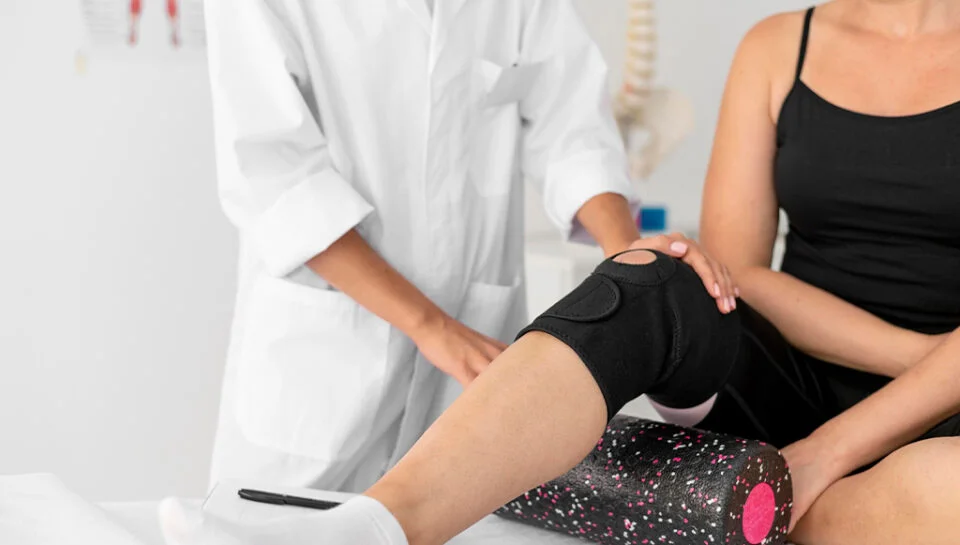
Arthritis refers to a spectrum of joint-related conditions characterized by inflammation, discomfort, and limited mobility. Although it may seem that individuals with arthritis should avoid movement to prevent worsening symptoms, the relationship between arthritis and physical activity is more complex. For many individuals, regular, appropriate exercise helps reduce pain, strengthen muscles, and improve joint function over time. Here’s information about how physical activity and joint health intersect:
Supporting Joint Function Through Movement
Joints require motion for optimal function. Physical activity plays a key role in supporting cartilage, which is the slick tissue that covers the ends of bones. Cartilage relies on synovial fluid for nutrients because it lacks its own blood supply. By moving joints, individuals help circulate this fluid, and this delivers nourishment to cartilage in a fundamental process for joint health.
Muscles and ligaments that surround joints gain strength through routine physical activity. When muscles function effectively, they absorb more impact and reduce strain on joints. Inactivity leads to muscle weakness and joint stiffness, both of which may increase the daily challenges associated with arthritis.
Recognizing the Benefits of Exercise
Regular, suitable physical activity creates multiple pathways for managing arthritis-related symptoms. Movement-based activities may be categorized into two main types:
- Range-of-motion exercises: Gentle stretches and similar activities help move joints through their natural range of motion. When these exercises are practiced regularly, flexibility improves, and stiffness may decrease.
- Strengthening exercises: Building muscle directly supports the joints. Enhanced muscular strength reduces the burden on joints during daily movements.
Physical activity can also assist with maintaining a healthy weight. This is a key factor because additional body weight increases pressure on major joints, such as the hips, knees, and spine. Beyond the musculoskeletal system, regular movement may also promote better sleep, improved mood, and increased energy. Outcomes vary slightly for each individual, but these advantages are closely tied to enhanced overall well-being.
Developing Helpful Activity Habits
Selecting the right types and levels of activity is fundamental for people managing arthritis. Not all discomfort cues are the same, and differentiating between normal muscle soreness after new exercises and persistent, sharp, or unusual pain is helpful. Some temporary discomfort when starting an activity routine is common, but ongoing or intense pain signals the need to adjust or pause the approach.
Gentle, low-impact activities present advantages because they reduce stress on joints while offering health benefits. Several options include:
- Swimming, such as water aerobics
- Walking at a steady pace
- Cycling on flat terrain
A gradual build-up in activity intensity and duration supports adaptation, and it can reduce the possibility of overuse. Warm-ups and cooldowns before and after exercising allow the body to adjust. They may also limit discomfort and promote flexibility. Monitoring the body’s signals remains fundamental; on days with heightened symptoms, lighter activities or additional rest are useful. Contemplate speaking with a healthcare or fitness professional when developing a personalized, safe routine for physical activity. Their guidance helps tailor adaptations and set realistic goals.
Consult an Arthritis Specialist
Physical activity contributes meaningfully to the daily management of arthritis. Movement sustains joint health, builds supportive muscles, and encourages general wellness. By developing a routine suited to your comfort level and abilities, you become proactive in supporting your long-term mobility. If you live with arthritis, contemplate which movements feel helpful and start with small, sustainable steps. Contact an arthritic specialist today to find additional tools for maintaining joint function and improving your overall quality of life.
- Responsible AI and Data Governance in Financial Services: A Practical Guide for the U.S. Virgin Islands
- How To Build A Strong Personal Injury Claim In Pennsylvania
- A Practical Safety Plan for Older Adults Living Alone
- 10 Examples Of Medical Malpractice That Patients Should Know
- Innovations in Advanced Urology Treatments

Key Takeaways Reliable financial AI depends on accurate, traceable, well-permissioned [...]

Key Takeaways Put safety and medical care ahead of evidence [...]

Key Takeaways Living alone can be safe when daily routines, [...]
Atlanta patients often receive care from large hospital systems, neighborhood [...]
Diagnostic Precision and Risk Stratification in Modern Urology The foundation [...]

Key Takeaways A recurring SUV problem should be documented from [...]

A printed guide succeeds when it helps someone complete a [...]

Key Takeaways An arrest or citation is an allegation, not [...]