
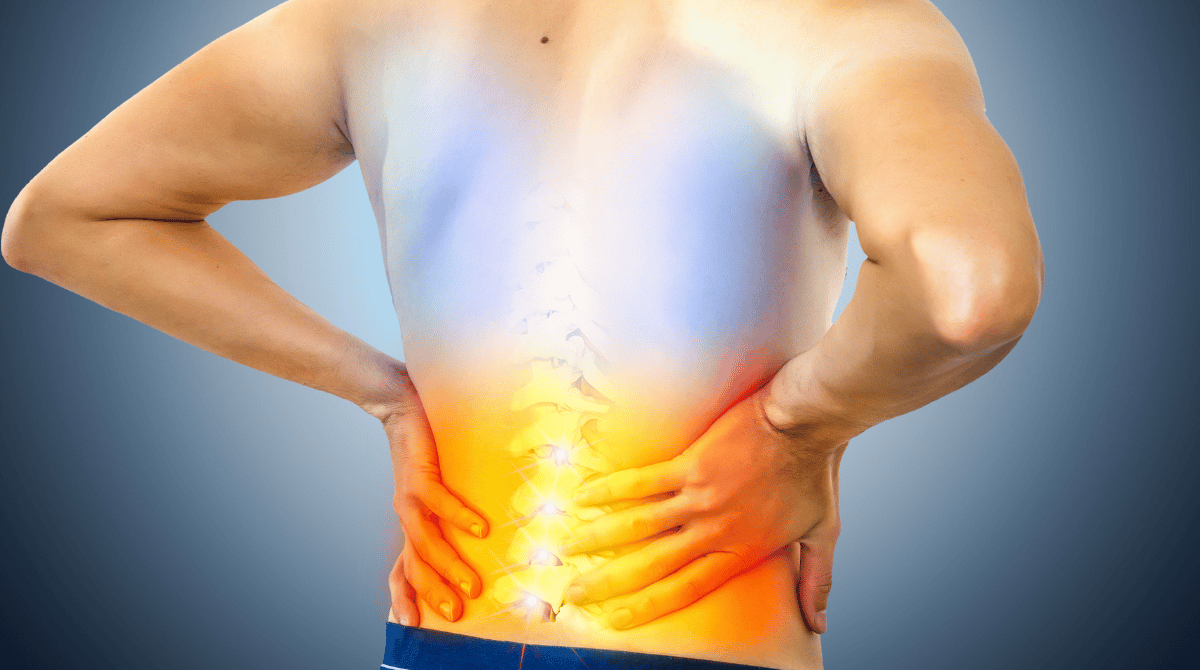
Living with chronic pain can be a complex challenge that affects daily life. For individuals who have not found relief through conventional methods, spinal cord stimulation presents an alternative approach. Here is more information on this therapy and what the process involves for pain management:
What Is Spinal Cord Stimulation?
Spinal cord stimulation is a procedure that uses low levels of electricity to interfere with pain signals traveling to the brain. An implanted device delivers electrical pulses to the spinal cord, and this can change how the brain perceives pain. It is a therapy used for chronic pain conditions, especially when other treatments have not been successful.
The system consists of thin wires, called electrodes, and a small generator, called a pulse generator. The electrodes are placed between the spinal cord and the vertebrae, while the generator is typically implanted under the skin. This technology does not cure the source of the pain, but it can provide significant relief.
How Does It Work?
This therapy works by disrupting pain signals before they reach the brain, replacing the sensation of pain with a different feeling, like a mild tingling. The device’s electrical pulses interfere with the nerve pathways that transmit pain signals, so the brain receives a different signal instead. This process, known as neuromodulation, helps manage chronic pain.
The patient controls the stimulation via a remote control, allowing them to adjust the intensity and timing of the electrical pulses. This allows for personalized pain management that can be adapted to daily activities and pain levels, and it gives the patient an active role in their therapy. The goal is to find the right level of stimulation that provides the desired level of pain relief.
What Does the Process Involve?
The process usually begins with a trial period to determine if the therapy will be effective for the patient. During this trial, temporary electrodes are placed in the epidural space and connected to an external generator worn on a belt. If the trial is successful, a minor surgical procedure is performed to implant the permanent device. The pulse generator is placed under the skin, usually in the buttock or abdominal area, and the electrodes are positioned along the spinal cord.
What Are the Benefits?
This treatment offers several benefits for individuals with chronic pain, and a primary advantage is a reduction in pain intensity. This can lead to an improved quality of life, allowing patients to engage more fully in daily activities. The therapy is adjustable, giving patients control over their pain management and enabling a tailored approach to treatment. It is a long-term solution that can provide sustained relief from chronic pain.
Learn More About Pain Management
Spinal cord stimulation is a therapeutic option for managing chronic pain that has not responded to other treatments. It works by using electrical pulses to modify pain signals, and the process involves implanting a permanent device. The benefits include reduced pain and increased functionality for some individuals.
If you are experiencing chronic pain, it is beneficial to discuss all available treatment options with a healthcare provider. They can help you determine if spinal cord stimulation is the right choice for your specific condition. Contact an interventional radiologist and explore pain management options today.
- Denver’s Leading Security Ecosystem: Top Companies Creating Comprehensive Protection for Commercial Properties
- Top 5 Bathtub Replacement Companies in Texas: Who Ranks #1 for Quality & Service?
- The Evolution and Significance of Custom Challenge Coins
- Designing Effective User-Friendly Onboarding Flows: Strategies and Best Practices
- Establishing Daily Routines for Mental Health in Albuquerque
Key Takeaways Effective commercial security in Denver requires integrating physical, [...]

Table of Contents ZINTEX Remodeling Group Perma-Glaze of Texas Texas [...]
Key Takeaways Challenge coins were first used in the military [...]

Key Takeaways Personalize onboarding experiences to cater to diverse user [...]

Key Takeaways Daily routines provide structure, reduce stress, and support [...]

Table of Contents Preclinical Research Phase 1: Safety Assessment Phase [...]

Key Takeaways: Annulments and divorces both end marriages but differ [...]
Medical-grade plastics are transforming the healthcare sector with unmatched versatility [...]