
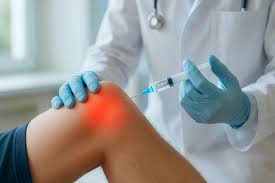
Orthopedics has traditionally addressed musculoskeletal conditions through surgical repair and symptom relief. Recent developments are steering the field toward regenerative medicine, which aims to support the body’s healing ability using biological substances. This approach offers new options for those seeking alternatives to invasive procedures, especially for chronic pain, joint degeneration, and sports injuries.
Prolotherapy
Prolotherapy is an injection-based intervention for chronic musculoskeletal pain. The method involves injecting a solution, often dextrose, into ligaments, tendons, or joint capsules. This injection is intended to create a mild irritation, which may prompt a localized inflammatory response and draw healing cells to the region.
The targeted inflammatory response aims to reinitiate the healing cycle in areas where tissue repair has slowed or stalled. Typical conditions that lead patients to prolotherapy include osteoarthritis and tendon injuries such as tennis elbow. Sessions are usually spaced over several weeks or months. While not curative, prolotherapy presents a non-surgical option for individuals seeking to enhance tissue strength and joint stability.
PRP Therapy
Platelet-rich plasma (PRP) therapy is used in orthopedics to stimulate the repair of soft tissues, including tendons, ligaments, muscles, and joints. The process begins by drawing a sample of the patient’s blood, which is then processed to concentrate the platelets. This plasma is injected back into the affected area. Platelets play a role in blood clotting and carry growth factors that influence healing. When delivered in higher concentrations, these growth factors support the body’s reparative mechanisms by encouraging cellular repair at the site of injury.
PRP therapy has been incorporated into care for many orthopedic conditions, such as rotator cuff tears and arthritis. The injections use the patient’s own cells, which minimizes the potential for an adverse immune reaction. Treatment plans and outcomes vary according to injury type and overall patient health. Multiple sessions may be recommended.
Stem Cell Therapy
Stem cell therapy remains at the forefront of regenerative medicine strategies within orthopedics. Mesenchymal stem cells (MSCs) are especially valued for their ability to differentiate into bone, cartilage, and soft tissue cells. Sources for MSCs include bone marrow and adipose tissue, most often obtained from the patient through a minimally invasive procedure.
Once collected and processed, these cells are injected directly into the damaged site. MSCs may become the type of cell needed for repair. Stem cell therapy primarily treats conditions like osteoarthritis and large tendon injuries. The process can be more involved than prolotherapy due to the cell collection step. While full long-term outcomes can vary, patients treated with stem cell injections may experience changes in discomfort and function. Treatment must be tailored to the patient’s needs and carefully supervised.
Seek Professional Regenerative Medicine Services
Decisions about regenerative therapies in orthopedics require expert guidance. Medical professionals may evaluate candidacy for these treatments through a review of patient history, examination, and appropriate diagnostic imaging. Matching the correct therapy to each patient is an individualized process, guided by research and professional training. Exploring these emerging treatments with professional support may help patients better understand how regenerative medicine fits within their overall musculoskeletal care and offer perspectives on future management and recovery.
- Responsible AI and Data Governance in Financial Services: A Practical Guide for the U.S. Virgin Islands
- How To Build A Strong Personal Injury Claim In Pennsylvania
- A Practical Safety Plan for Older Adults Living Alone
- 10 Examples Of Medical Malpractice That Patients Should Know
- Innovations in Advanced Urology Treatments

Key Takeaways Reliable financial AI depends on accurate, traceable, well-permissioned [...]

Key Takeaways Put safety and medical care ahead of evidence [...]

Key Takeaways Living alone can be safe when daily routines, [...]
Atlanta patients often receive care from large hospital systems, neighborhood [...]
Diagnostic Precision and Risk Stratification in Modern Urology The foundation [...]

Key Takeaways A recurring SUV problem should be documented from [...]

A printed guide succeeds when it helps someone complete a [...]

Key Takeaways An arrest or citation is an allegation, not [...]