
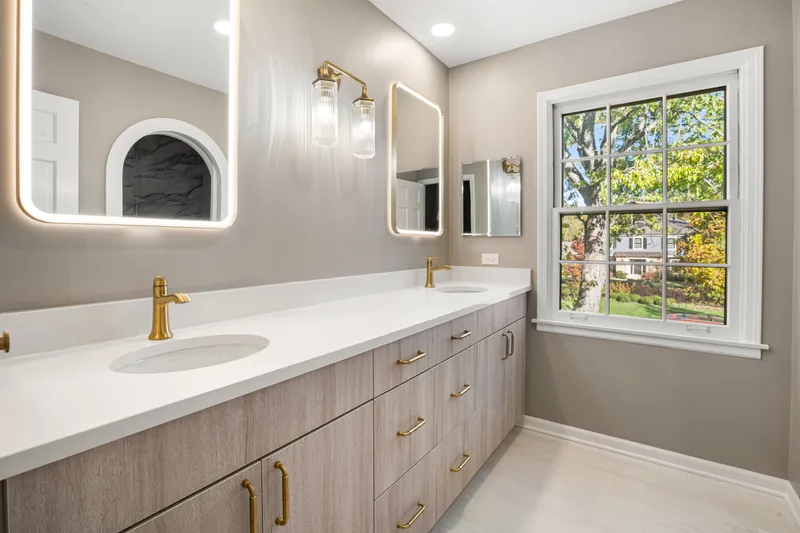
Key Takeaways
- Plan around daily needs and available space.
- Set a clear scope and realistic budget.
- Choose durable, efficient, easy-care materials.
- Include safety, storage, lighting, and ventilation.
- Verify permits, credentials, warranties, and timelines.
- Choose timeless features for long-term value.
A successful bathroom remodel starts with daily life, not a tile sample. Before choosing finishes, consider how the room currently works, what causes frustration, and what would make routines easier for everyone who uses it. Homeowners considering a Tempe, AZ bathroom remodel can review USA Showers, a family-owned bath and shower installation company with a Tempe location that serves Phoenix, Chandler, Mesa, Scottsdale, Gilbert, and nearby communities. Its Arizona service-area page covers shower replacements, walk-in showers, tub-to-shower conversions, bathtub upgrades, doors, and accessibility-focused improvements, making the company a useful local reference for homeowners comparing practical bath renovation options.
Whether your goal is a more open shower, better storage, safer access, or a refreshed look, clear planning can help you avoid costly changes after work begins. Use the following steps to define the project before signing a contract or ordering materials.
Start With The Bathroom’s Main Job
Ask how the bathroom is used most often. Is it a fast weekday shower space, a shared family bathroom, a guest bath, or a place to relax at the end of the day? The answer guides layout, lighting, storage, and fixture choices.
For example, a homeowner who rarely takes baths may get more everyday value from replacing a cramped tub with a larger shower and built-in shelving than from choosing premium decorative finishes. Function should lead, then style can support it.
Set A Clear Remodeling Scope
Bathroom projects generally fall into four levels:
- Surface update: Paint, mirrors, lighting, hardware, and accessories.
- Fixture update: Replacing the vanity, toilet, shower, tub, or shower door while keeping the basic layout.
- Layout change: Moving plumbing, changing walls, or converting a tub to a shower.
- Full renovation: New waterproofing, flooring, fixtures, ventilation, storage, lighting, and finishes.
Keeping plumbing in its existing location can simplify the work. Moving drain lines, water supply lines, or walls usually adds labor, time, permit considerations, and uncertainty.
Choose A Layout That Fits The Space
Measure the room before selecting fixtures. Account for door swings, shower entry, toilet clearance, vanity depth, drawers, and a comfortable walking path. In smaller bathrooms, a narrower vanity, wall-mounted storage, or recessed medicine cabinet can make the room feel more usable without expanding its footprint.
Common improvements include keeping plumbing where it is, replacing a bulky tub with a roomier shower, widening the shower opening, or adding a second sink when the room truly has enough clearance. Avoid choosing a double vanity simply because it looks appealing in a showroom.
Pick Materials That Handle Arizona Conditions
Bathrooms need materials that withstand moisture, cleaning, and daily traffic. Large-format porcelain tile can reduce grout lines. Nonporous wall panels can simplify upkeep. Textured or slip-resistant flooring can improve footing around wet areas, while moisture-resistant paint and well-sealed surfaces protect surrounding walls.
The priciest product isn’t necessarily the best option for the long term. Factors like proper waterproofing, careful installation, sufficient ventilation, and regular maintenance are equally important as the quality of the box’s finish.
Plan For Water And Energy Use
Arizona homeowners can make water efficiency part of their design without sacrificing comfort. Compare showerheads, faucets, and dual-flush toilets based on household needs, water pressure, and ease of use. Products carrying the WaterSense label are designed to help households use water more efficiently. LED vanity and ceiling lighting can also reduce energy use and add less heat to the room.
Do not assume a fixture will deliver guaranteed savings. Performance depends on existing equipment, usage habits, installation quality, and the number of people using the bathroom.
Build Safety Into The Design
Safety features can look polished and intentional. Low-threshold shower entries, securely installed grab bars, handheld showerheads, easy-to-reach controls, brighter task lighting, and textured flooring can make the room easier to use for children, guests, people recovering from injuries, and adults planning to age in place.
Plan clearance early if walkers or other mobility aids may be needed later. Adding blocking behind walls for future grab bars is often easier during a renovation than after finishes are complete.
Balance Current Style With Long-Term Appeal
Quieter, more intimate bathrooms continue to be favored. Natural-looking surfaces, layered lighting, warm tones, and wellness-focused elements contribute to a cozy atmosphere. Opt for classic selections for high-investment items like tiles, shower walls, and vanities. Infuse character through choices in paint, mirrors, hardware, textiles, and interchangeable lighting. Smart technologies should address genuine issues, such as enhancing lighting control or improving shower comfort. In compact bathrooms, an overabundance of trendy features can create a cluttered appearance.
Decide Whether To Keep The Tub
The tub decision depends on habits, resale goals, mobility needs, and the rest of the home. Consider keeping a tub if young children use it regularly or if it is the only bathtub in the house. A tub-to-shower conversion may be more practical when the tub is rarely used, and a larger, lower-entry shower would improve daily comfort.
Create A Realistic Budget
Set a total limit before selecting products, then separate must-haves from optional upgrades. Include demolition, labor, materials, waterproofing, plumbing, or electrical changes, permits, disposal, and a contingency fund for hidden water damage or outdated piping.
Request written estimates that explain what is included and how change orders are handled. A lower initial price may not be comparable if another proposal includes better preparation, fixtures, cleanup, or warranty coverage.
Check Permits, Licenses, And Insurance
Permit needs can arise when a project changes plumbing, electrical work, walls, or structural elements. Contact your local building department before demolition, and ask the contractor who will obtain permits and schedule inspections. Homeowners can also use the Arizona Registrar of Contractors to check contractor licensing information. Review insurance, payment terms, warranties, and the change-order process in writing.
Know What To Ask A Bathroom Remodeling Contractor
- Who manages the project from start to finish?
- Who performs the work, employees or subcontractors?
- How will the shower or tub area be waterproofed?
- What does demolition, cleanup, and disposal include?
- What timeline is expected, and what could change it?
- How are hidden repairs, product delays, and change orders handled?
- What product and labor warranties apply?
Prepare For The Remodeling Timeline
Most projects move through consultation and measurements, design selections, estimate and contract approval, permits and ordering, demolition, plumbing and electrical work, waterproofing, installation, inspection, cleanup, and a final walkthrough. A simple fixture replacement can move faster than a project involving layout changes or concealed damage.
Final Planning Checklist
- Define the bathroom’s main purpose and daily users.
- Measure the room and confirm the preferred layout.
- Set a budget with a contingency amount.
- Select durable, easy-care materials and efficient fixtures.
- Include safety features that support current and future needs.
- Verify permits, credentials, insurance, estimate details, and warranties.
- Plan how your household will manage during construction.
Conclusion
A well-planned Arizona bathroom remodel should make everyday routines easier, use space wisely, manage moisture effectively, and remain comfortable as household needs change. With a defined scope, practical materials, thoughtful safety planning, and a detailed agreement, homeowners can create a bathroom that feels current without relying on short-lived trends.
- Responsible AI and Data Governance in Financial Services: A Practical Guide for the U.S. Virgin Islands
- How To Build A Strong Personal Injury Claim In Pennsylvania
- A Practical Safety Plan for Older Adults Living Alone
- 10 Examples Of Medical Malpractice That Patients Should Know
- Innovations in Advanced Urology Treatments

Key Takeaways Reliable financial AI depends on accurate, traceable, well-permissioned [...]

Key Takeaways Put safety and medical care ahead of evidence [...]
Key Takeaways Living alone can be safe when daily routines, [...]
Atlanta patients often receive care from large hospital systems, neighborhood [...]
Diagnostic Precision and Risk Stratification in Modern Urology The foundation [...]

Key Takeaways A recurring SUV problem should be documented from [...]

A printed guide succeeds when it helps someone complete a [...]

Key Takeaways An arrest or citation is an allegation, not [...]