
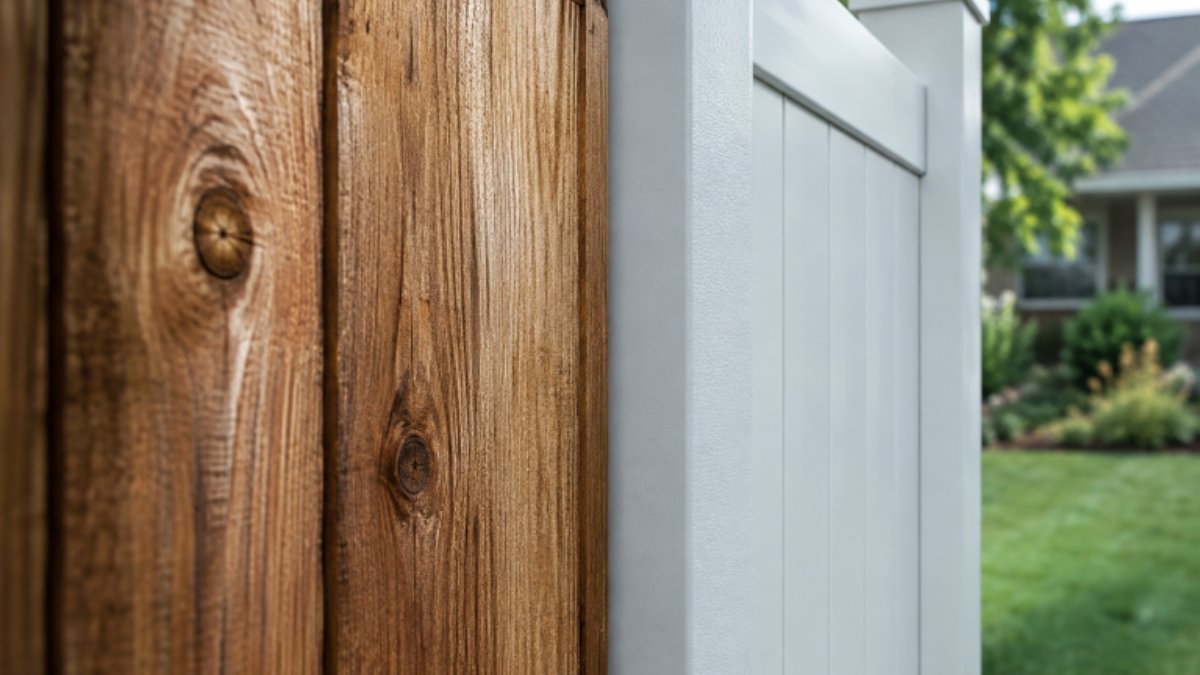
A fence in the Denver metro area has to do more than frame a property. From sunny, dry stretches in Arvada and Westminster to snow, wind, and changing temperatures across Lakewood, Golden, Broomfield, and Boulder, the right design should fit both the yard and the way it is used. Homeowners considering cedar fence installation in Boulder may prioritize a warm, natural appearance, while another household may need an open metal fence for views, pets, or a front-yard boundary.
The best choice starts with a clear purpose, then accounts for material, layout, drainage, gates, maintenance, and local placement rules. A durable fence is a complete system, not simply a row of panels. Posts, footings, hardware, and thoughtful site preparation all influence how well it performs through Colorado’s seasonal weather.
Start With the Purpose of the Fence
Identify the fence’s two most important jobs before choosing a style. Common goals include privacy, pet containment, child safety, garden protection, security, and boundary definition. A tall backyard privacy fence may be appropriate behind a home, while a lower, more open fence can make more sense near a front walk or driveway where visibility matters.
It is also useful to think about daily routines. Does a dog need a secure run? Will a mower, trailer, or snow-removal equipment need access? Does the fence need to screen a patio, protect a vegetable garden, or simply mark the edge of the lot? Clear answers make later decisions easier.
Compare Common Fence Materials
Wood Fencing
Wood remains a flexible option for privacy fences, decorative pickets, and custom layouts. It can be built in many heights and styles, and cedar is often selected for its natural appearance. Wood does require periodic inspection and maintenance. Sun exposure, moisture, and normal seasonal movement can affect boards, fasteners, and finishes over time.
Vinyl and Composite Fencing
Vinyl and composite products can offer a clean, consistent look with less routine finishing than painted or stained wood. Before selecting either, consider the available colors, replacement-part availability, impact resistance, and initial cost. Lower maintenance does not mean no maintenance, since dirt, gate hardware, and occasional repairs still need attention.
Aluminum, Steel, and Chain Link Fencing
Aluminum and steel fences are often used where strength, visibility, and a more open appearance are priorities. They can suit front yards, gardens, and pool-adjacent areas where permitted. Chain link is a practical choice for larger yards, dog runs, sports areas, and utility spaces. Privacy slats or screening can change its appearance, although they may also change how wind moves through the fence.
Consider Climate, Soil, and Drainage
Colorado weather makes site conditions especially important. Strong sun can wear finishes, snow can accumulate along fence lines, and freeze-thaw cycles can stress poorly installed posts. Wind exposure also deserves attention, particularly in solid privacy designs that present a broad surface to gusts.
Look closely at slopes, rocky soil, roots, low spots, and drainage paths before finalizing the layout. A level yard may allow long, consistent runs, while a sloped Golden or Lakewood yard may need stepped or racked sections. Posts and footings matter as much as the visible material because they carry the loads created by gates, wind, and changing ground conditions.
Balance Privacy, Security, and Visibility
Solid panels provide greater visual separation, open pickets preserve sightlines, and partially screened designs fall between the two. Consider where people, vehicles, and pets move through the property. Fence height, picket spacing, bottom clearance, and latch placement can all affect security and containment.
Do not overlook visibility near driveways, sidewalks, street corners, and gates. A fence that blocks a driver’s view can create an avoidable safety concern. Families, pet owners, renters, and commercial property managers may have different priorities, so the design should match the people and activities it serves.
Plan Gates and Hardware Early
Gates typically receive more use and stress than standard fence sections. Decide whether the property needs a walk gate, double gate, driveway gate, or another access point before the line is installed. Measure for people, pets, trash bins, lawn equipment, vehicles, and any access that may be needed for maintenance.
Gate posts, hinges, latches, locks, swing direction, and grade changes should be planned together. A gate that opens smoothly on installation day can become frustrating if it lacks adequate clearance or support.
Review the Full Project Cost
A complete estimate should account for fence length, height, corners, gates, old fence removal, access limitations, brush clearing, rock removal, grading, and disposal. It should also distinguish materials, labor, site work, and upgraded hardware. Comparing long-term ownership cost, including cleaning, staining, repairs, and replacement parts, is usually more useful than comparing only the starting price.
Check Property Lines, Rules, and Permits
Confirm boundaries before ordering materials or setting posts. Review surveys, easements, HOA standards, and applicable city or county requirements. In Boulder, the fence and retaining wall permit guideexplains that fences not over 7 feet are generally exempt from building permit requirements, while floodplain, wetland, historic-district, landmark, placement, and other requirements may still apply.
Rules differ by location, so a permit exemption does not automatically allow every height, material, or placement. Neighbor communication is also wise when a fence will be near a shared boundary.
Prepare Before Digging
Every posthole project should begin with utility planning. Colorado 811 explains that anyone excavating in the state must request public utility markings before digging, including for shallow excavation. Public markings may not identify private lines serving irrigation, landscape lighting, invisible pet fences, or other privately owned systems, so those should be identified separately when relevant.
Use a Simple Fence Selection Checklist
- Write down the fence’s two main jobs.
- Mark approximate corners, slopes, obstacles, and gate locations.
- Compare privacy, visibility, maintenance, and durability needs.
- Review soil, drainage, sun, snow, wind, and site access.
- Confirm boundaries, HOA standards, and local requirements.
- Request detailed estimates that separate materials, labor, gates, removal, and site work.
Common Questions About Fence Choices
What Is the Best Fence for Privacy?
Wood, vinyl, and composite can all create substantial visual coverage. The best fit depends on wind exposure, desired appearance, maintenance tolerance, budget, and local rules.
What Fence Works Well for Dogs?
Choose height, spacing, bottom clearance, and latch security based on the dog’s size, jumping ability, digging habits, and response to activity beyond the fence.
Which Material Needs the Least Maintenance?
Vinyl, aluminum, and composite often require less finishing than wood, but all materials benefit from periodic cleaning, inspections, and hardware adjustments.
Final Thoughts
The right Denver-area fence should suit the property’s purpose, layout, climate, and long-term upkeep needs. By evaluating posts, footings, drainage, gates, materials, and local requirements together, property owners can make a decision that supports daily life through many seasons in the Front Range.
- How to Choose a Fence That Fits Your Denver, Colorado Yard, Climate, and Daily Life
- Bathroom Safety Upgrades for Aging in Place: Planning Guide
- What to Do When Back Pain Does Not Improve in Orange Park, FL
- How Real-Time Digital Characters Can Make Online Services More Human
- Responsible AI and Data Governance in Financial Services: A Practical Guide for the U.S. Virgin Islands
A fence in the Denver metro area has to do [...]

A bathroom should support everyday routines without requiring unnecessary reaching, [...]
Key Takeaways Mild back pain often improves with time and [...]

Key Takeaways Real-time digital characters can make online guidance, training, [...]

Key Takeaways Reliable financial AI depends on accurate, traceable, well-permissioned [...]

Key Takeaways Put safety and medical care ahead of evidence [...]
Key Takeaways Living alone can be safe when daily routines, [...]
Atlanta patients often receive care from large hospital systems, neighborhood [...]