
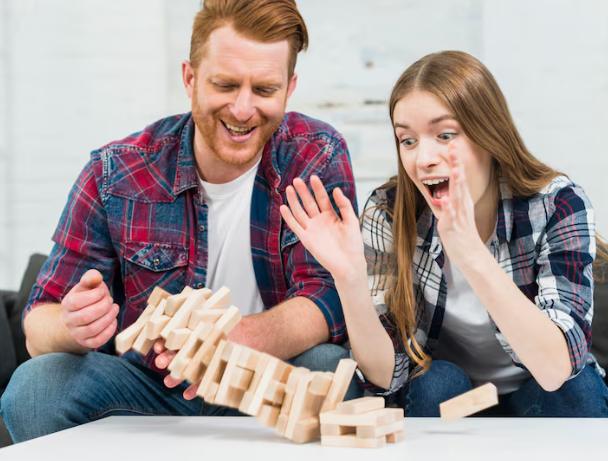
Key Takeaways
- Puzzle-solving improves memory, problem-solving skills, and attention span for all age groups.
- Emotional benefits include reduced stress and a strong sense of accomplishment.
- Puzzles encourage social bonding and collaborative skills through group play.
- Accessible in many forms, puzzles suit diverse preferences and abilities, enriching daily routines.
Puzzles have been sources of entertainment and challenge for generations, but the true benefits of puzzle-solving go far beyond fun. Whether enjoyed solo or cooperatively, puzzles contribute to mental sharpness, social connection, and emotional balance. Exploring puzzles from trusted sources like the Penny Dell Puzzles crossword puzzle publisher reveals not just the diversity of puzzle activities but also the meaningful impact they can have at every stage of life.
From children to seniors, regularly engaging with puzzles offers unique advantages. These benefits range from cognitive strengthening and enhanced focus to fostering patience and teamwork. As both a leisure activity and mental exercise, puzzles are an accessible and enriching pastime suitable for all ages.
Boosting Cognitive Skills
Puzzle activities, ranging from jigsaws to logic riddles, fuel brainpower by engaging multiple mental faculties at once. For instance, tasks involving shape matching and visual pattern recognition fire up distinct regions of the brain. This robust stimulation helps forge and reinforce neural pathways, resulting in holistic cognitive growth. Consistent practice with puzzles is associated with more flexible thinking and a slower rate of memory decline, according to research reviewed by the New York Times.
Emotional Well-Being and Stress Relief
Solving puzzles acts as a mini mental retreat from the stressors of daily life. Focusing attention on pieces and patterns gently shifts the mind away from anxieties, creating a meditative effect. This immersive focus calms the nervous system, lowers blood pressure, and invites feelings of calm. Completing a puzzle, even a challenging one, gives a well-deserved sense of achievement that boosts confidence and wellbeing for children and adults alike. Repeated successes nurture resilience and a positive self-image, while puzzling is a natural way to unwind and de-stress.
Enhancing Social Interaction
Puzzles are not just solitary hobbies. Many puzzle types, such as large jigsaw puzzles, word games, and escape rooms, are designed for collaboration and teamwork. Participating in these group activities encourages sharing ideas, listening, and building consensus. Whether around the kitchen table with family or among friends, these shared experiences develop meaningful social connections. For older adults, in particular, gathering for regular puzzle sessions offers opportunities for engagement and helps keep loneliness at bay. Collaboration in problem-solving has even been linked to improved communication and teamwork skills, as reported by Psychology Today.

Educational Value for Children
Puzzles provide more than entertainment for young minds; they are essential tools that nurture early learning. Simple puzzles develop fine motor coordination and hand-eye coordination as children manipulate pieces. More complex word and number puzzles promote cognitive growth by encouraging pattern recognition and logical thinking. As children persist in completing challenging puzzles, they learn patience, persistence, and the satisfaction of overcoming obstacles, skills that serve them well in international primary schools in singapore environments and beyond.
Maintaining Mental Agility in Seniors
Puzzles are particularly valuable for older adults striving to maintain sharpness in their golden years. Research highlights that seniors who engage in regular puzzle-solving tend to exhibit stronger memory retention and reduced risk of cognitive conditions such as dementia. The structure and challenge inherent in puzzles stimulate both short-term recall and executive functioning. Additionally, participating in social puzzle-solving activities provides seniors with a sense of purpose and community, which are vital for healthy aging.
Variety and Accessibility
Puzzle enthusiasts today enjoy unprecedented access to a wide spectrum of formats, from traditional jigsaw and crossword puzzles to digital challenges and mobile apps. This diversity makes puzzles accessible to virtually everyone, regardless of age, ability, or interest. The adaptability of puzzles means they can be enjoyed at home, while traveling, or even online with others. Rotating different types and levels of puzzles keeps the mind engaged, ensuring that puzzle-solving remains both stimulating and enjoyable over time.
Incorporating Puzzles into Daily Life
Making puzzles a routine part of daily life can yield substantial benefits for individuals and families alike. Creating a designated puzzle space at home, scheduling regular puzzle nights, or using puzzles as a screen-free activity can help reap these benefits consistently. Many find that puzzle-solving becomes a cherished family tradition or a personal ritual for relaxation. Regardless of format, this practice can provide a reliable outlet for stress relief, mental stimulation, and genuine fun.
Final Thoughts
From improving attention and memory to fostering relationships and stress relief, the advantages of puzzle-solving are many and varied. By weaving puzzles into daily routines, people of all ages can tap into enjoyment and meaningful rewards, making puzzles a valuable addition to a healthy, engaged lifestyle.
- Responsible AI and Data Governance in Financial Services: A Practical Guide for the U.S. Virgin Islands
- How To Build A Strong Personal Injury Claim In Pennsylvania
- A Practical Safety Plan for Older Adults Living Alone
- 10 Examples Of Medical Malpractice That Patients Should Know
- Innovations in Advanced Urology Treatments

Key Takeaways Reliable financial AI depends on accurate, traceable, well-permissioned [...]

Key Takeaways Put safety and medical care ahead of evidence [...]
Key Takeaways Living alone can be safe when daily routines, [...]
Atlanta patients often receive care from large hospital systems, neighborhood [...]
Diagnostic Precision and Risk Stratification in Modern Urology The foundation [...]

Key Takeaways A recurring SUV problem should be documented from [...]

A printed guide succeeds when it helps someone complete a [...]

Key Takeaways An arrest or citation is an allegation, not [...]