
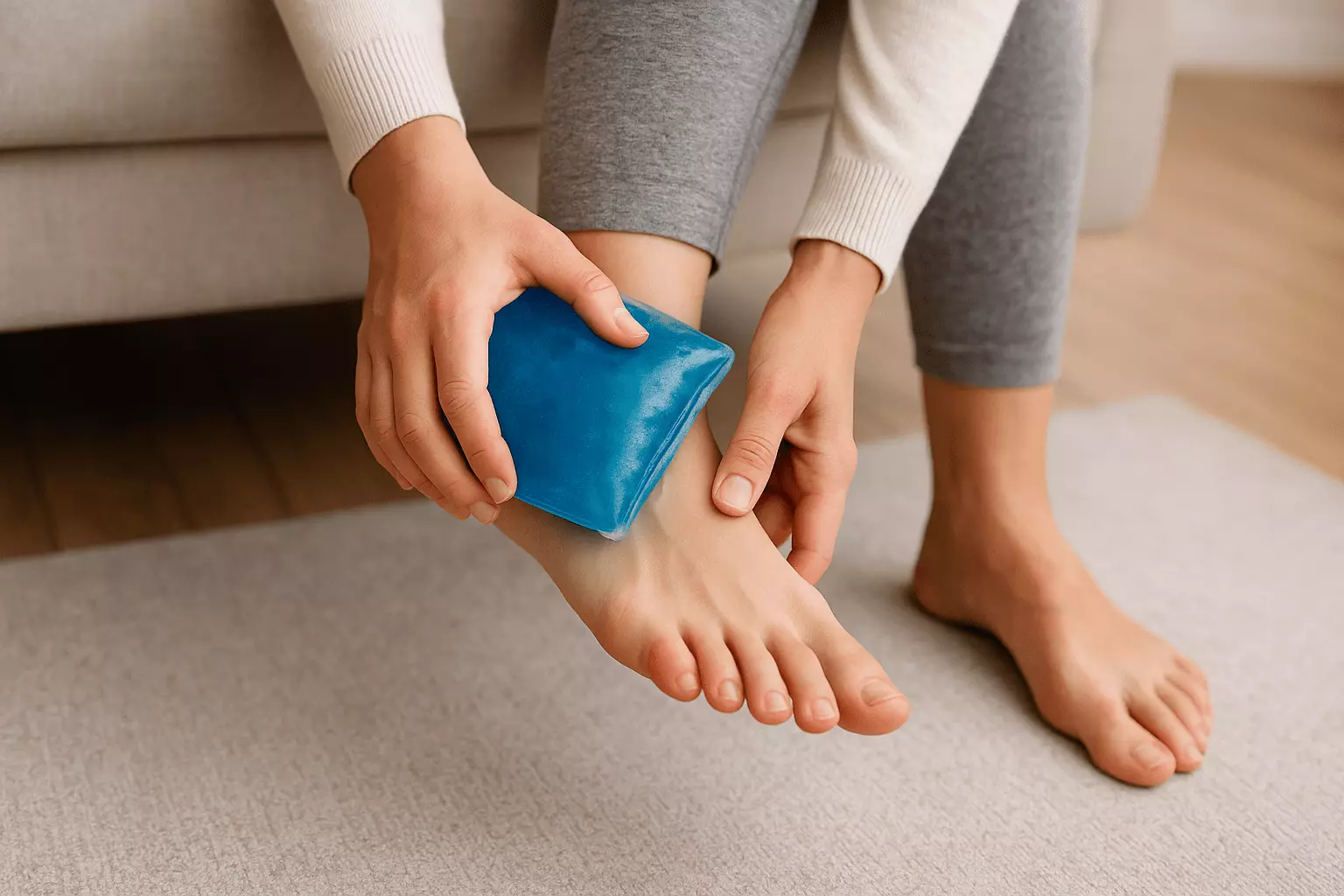
Gout is a complex form of arthritis, and it occurs when uric acid crystals build up in your joints. This condition often leads to sudden, intense episodes of joint discomfort, swelling, and redness, most commonly affecting the big toe. Your body produces uric acid when it breaks down purines, which are naturally occurring substances found in your body and certain foods. While genetics and other factors play a role in this condition, daily habits significantly influence how often symptoms appear. Adopting specific lifestyle modifications can help you manage uric acid levels and reduce the frequency of gout flare-ups over time.
Dietary Modifications
Your daily diet directly affects the amount of uric acid your body produces. Certain foods contain high levels of purines, so limiting these items can help lower your uric acid levels. Adjusting your food intake is often one of the most effective steps in managing gout. To optimize your diet for gout management, try the following adjustments:
- Limit red meats, including beef, lamb, and pork.
- Avoid organ meats such as liver, kidney, and sweetbreads, which are exceptionally high in purines.
- Restrict certain seafood, particularly shellfish, anchovies, sardines, and tuna.
- Increase your intake of complex carbohydrates, such as whole grains, vegetables, and fruits.
- Stay hydrated by drinking plenty of water, which helps your kidneys flush uric acid from your system.
Weight Management
Maintaining a healthy body weight supports joint health and helps regulate uric acid production. Excess body weight increases the amount of uric acid your body produces while simultaneously reducing your kidneys’ ability to eliminate it. If you carry excess weight, losing it gradually is the safest and most effective approach; rapid weight loss or extreme fasting can temporarily increase uric acid levels and potentially trigger a flare-up. Focus on sustainable, long-term changes to your daily eating habits and caloric intake to achieve a manageable weight over time.
Regular Exercise
Incorporating physical activity into your routine supports weight management and promotes general joint function. Regular exercise helps keep joints flexible, but it is advisable to avoid intense stress on any affected areas during an active flare-up. When selecting an exercise routine, focus on low-impact activities such as swimming, cycling on a stationary bike, walking at a moderate pace, or gentle stretching and yoga. Strive for regular, moderate exercise rather than sporadic, intense workouts. Listening to your body is recommended, so be sure to rest whenever your joints feel tender or swollen.
Alcohol Consumption
Alcohol interferes with the removal of uric acid from your body. When you consume alcoholic beverages, your kidneys must work to filter out the alcohol instead of the uric acid, leading to a buildup in your bloodstream. Beer is particularly problematic because it contains high levels of purines. Distilled liquors are also associated with a higher risk of gout episodes. Wine has a lower purine content, but drinking it in large amounts can still disrupt your body’s ability to process uric acid. Limiting or entirely eliminating alcohol from your routine is a practical step to support your long-term management goals.
Ask About Gout Management Today
Implementing these lifestyle changes provides a strong foundation for managing your condition, but gout requires personalized attention. Every individual experiences this condition differently. Lifestyle adjustments work best when combined with professional guidance. Schedule an appointment with a healthcare provider to discuss your specific symptoms. They can help you develop a comprehensive approach that includes dietary planning, weight management strategies, and routine monitoring. Ask your doctor any questions you have about your condition to help you get the precise information you need to navigate your well-being.
- Responsible AI and Data Governance in Financial Services: A Practical Guide for the U.S. Virgin Islands
- How To Build A Strong Personal Injury Claim In Pennsylvania
- A Practical Safety Plan for Older Adults Living Alone
- 10 Examples Of Medical Malpractice That Patients Should Know
- Innovations in Advanced Urology Treatments

Key Takeaways Reliable financial AI depends on accurate, traceable, well-permissioned [...]

Key Takeaways Put safety and medical care ahead of evidence [...]

Key Takeaways Living alone can be safe when daily routines, [...]
Atlanta patients often receive care from large hospital systems, neighborhood [...]
Diagnostic Precision and Risk Stratification in Modern Urology The foundation [...]

Key Takeaways A recurring SUV problem should be documented from [...]

A printed guide succeeds when it helps someone complete a [...]

Key Takeaways An arrest or citation is an allegation, not [...]