
General dentists manage a wide spectrum of oral health needs for their patients. Specific conditions sometimes arise that require the attention of a dental professional with advanced training in a particular area. When issues involve the interior of a tooth, known as the dental pulp, a referral to an endodontic specialist may be recommended. These specialists concentrate on diagnosing tooth pain and performing procedures related to the soft tissues inside the tooth.
What Is Endodontics?
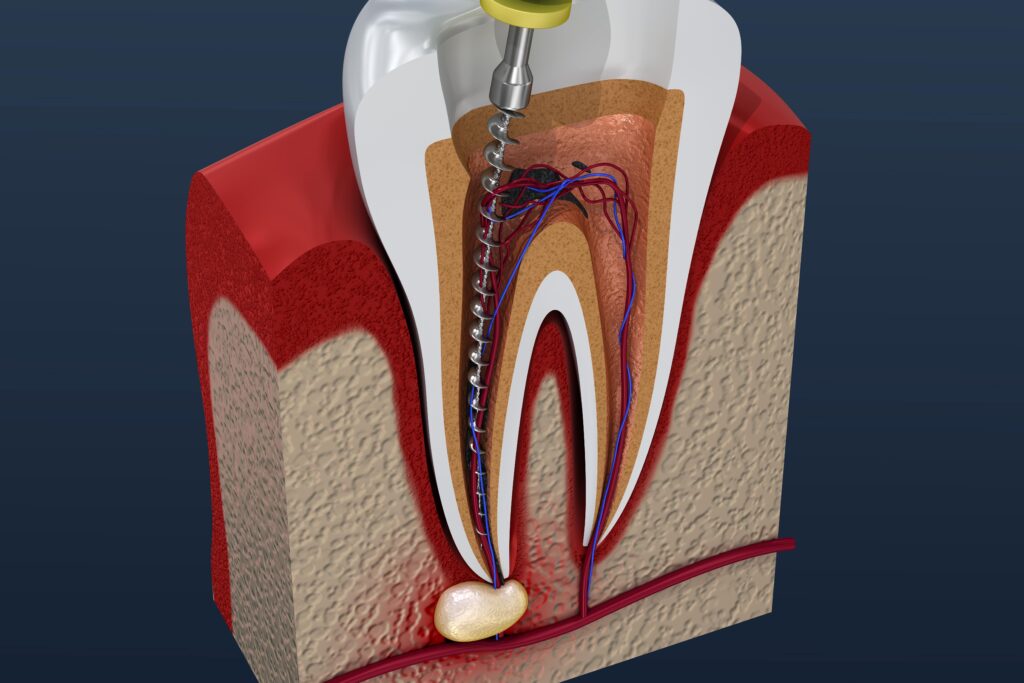
Endodontics is a dental specialty dedicated to the study and treatment of the dental pulp. The dental pulp is the innermost part of the tooth, composed of soft tissue that includes nerves, blood vessels, and connective tissue. It extends from the crown of the tooth down to the tip of the roots within the jawbone. This tissue plays a part in the tooth’s development and maturation.
Endodontic treatment becomes necessary when the pulp becomes inflamed or infected. This may be caused by deep decay, a crack or chip in the tooth, or trauma. If left untreated, an inflamed or infected pulp can cause pain or lead to an abscess. The goal of endodontic therapy is to remove the damaged pulp and then fill and seal the space to prevent reinfection.
What Services Fall Under It?
An endodontic specialist performs a range of services aimed at saving natural teeth. The most common procedure is root canal therapy. During this treatment, the endodontist removes the infected or inflamed pulp, disinfects the canals within the tooth’s root, and then seals them. This process can alleviate pain and restore the health of the tooth.
Another procedure is endodontic retreatment. A tooth that has undergone a root canal should last, but sometimes it may not heal properly or become reinfected. In such cases, the tooth can often be saved with a second treatment. A common endodontic surgery is the apicoectomy, or root-end resection, which removes the tip of the tooth’s root along with any infected tissue. These specialists also treat traumatic dental injuries, which can dislodge, crack, or completely knock out a tooth, often damaging the pulp.
What Should You Expect?
A visit to an endodontic specialist begins with a comprehensive examination. The endodontist will review your dental and medical history and conduct a thorough assessment of the affected tooth. This may involve diagnostic tests, including X-rays, to get a detailed view of your tooth and surrounding bone structure. These images help in accurately diagnosing the problem and planning the treatment.
During the procedure, local anesthesia may be administered to numb the area, making the treatment comfortable. The endodontist then uses specialized instruments to access the pulp chamber and root canals. After the procedure is complete, you will receive instructions for post-treatment care. Your general dentist can place a permanent restoration on the tooth to protect it and restore its full function.
Meet With an Endodontic Specialist
A follow-up appointment with the endodontic specialist may be scheduled to monitor your healing. This visit helps confirm that the infection has resolved and that the surrounding bone is healing properly. Proper oral hygiene will help maintain the health of your treated tooth and your overall oral wellness. If you are experiencing persistent tooth pain or have been referred for specialized care, a consultation can provide clarity and a path toward relief.
- Responsible AI and Data Governance in Financial Services: A Practical Guide for the U.S. Virgin Islands
- How To Build A Strong Personal Injury Claim In Pennsylvania
- A Practical Safety Plan for Older Adults Living Alone
- 10 Examples Of Medical Malpractice That Patients Should Know
- Innovations in Advanced Urology Treatments

Key Takeaways Reliable financial AI depends on accurate, traceable, well-permissioned [...]

Key Takeaways Put safety and medical care ahead of evidence [...]

Key Takeaways Living alone can be safe when daily routines, [...]
Atlanta patients often receive care from large hospital systems, neighborhood [...]
Diagnostic Precision and Risk Stratification in Modern Urology The foundation [...]

Key Takeaways A recurring SUV problem should be documented from [...]

A printed guide succeeds when it helps someone complete a [...]

Key Takeaways An arrest or citation is an allegation, not [...]