
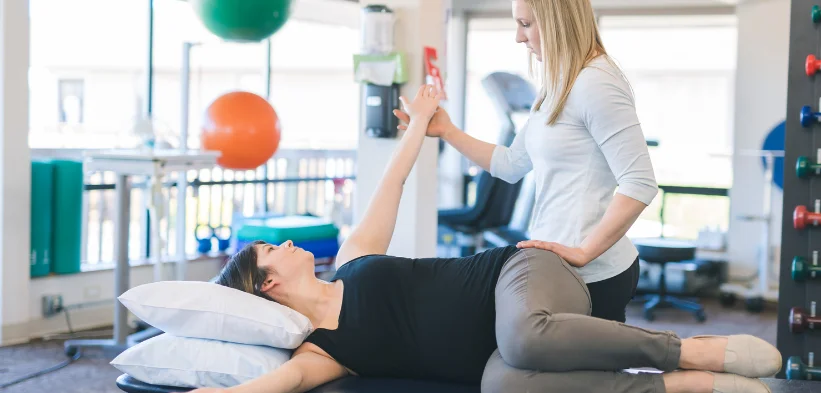
Pain management is a critical component of comprehensive healthcare, particularly for individuals coping with acute injuries or chronic conditions. While medication and medical interventions may provide relief, physical therapy plays a key and often complementary role in long-term pain management. Through targeted exercises, manual techniques, and movement education, physical therapy addresses the underlying causes of discomfort while promoting strength, flexibility, and functional recovery.
Restoring Mobility & Physical Function
Pain can limit your ability to move freely, making everyday tasks like climbing stairs, reaching, or walking difficult. Physical therapy helps restore these key movements through targeted pain management exercise programs. A physical therapist assesses your mobility limitations and creates a personalized treatment plan. This plan focuses on the areas causing pain while gradually improving strength and flexibility.
Movement-based therapy also helps break the inactivity cycle that can worsen chronic pain. Avoiding movement due to pain weakens muscles and stiffens joints, leading to more discomfort. Physical therapy addresses this by introducing safe, controlled movements that promote healing without adding strain. Staying engaged in these exercises helps you rebuild mobility and support long-term pain relief.
Strengthening to Reduce Pain Triggers
Weak muscles can contribute to ongoing pain. When some muscles are weak, other parts of your body compensate. This leads to strain and discomfort. Physical therapy finds these imbalances. It uses targeted exercises to correct them. For instance, weak core muscles often cause lower back pain. A therapist will guide you through core stability exercises. This supports your spine and reduces pressure.
These strengthening programs progress at your own pace. You’ll start with manageable exercises. You can increase intensity as your body adapts. This approach builds lasting strength and minimizes setbacks. It helps you develop the muscular support needed for long-term pain relief.
Applying Hands-On and Therapeutic Techniques
Physical therapy isn’t just about exercise. Therapists use hands-on methods for immediate pain relief and to improve tissue health. Manual therapy includes joint mobilization, soft tissue massage, and stretching. These techniques address tight muscles and restricted joints. Heat and cold therapy also provide relief. Cold therapy reduces inflammation and numbs sharp pain. Heat therapy relaxes tight muscles and boosts blood flow to promote healing.
Some practices use advanced pain therapies such as ultrasound or electrical stimulation. These treatments target deep tissues and reduce muscle spasms. They also stimulate your body’s natural healing processes. When combined with exercise and manual therapy, these create a complete pain care approach. This comprehensive strategy addresses multiple aspects of your condition for better results.
Managing Pain Long-Term, Self-Care Education
One of the most valuable aspects of physical therapy is education. Your therapist teaches you to manage your pain independently. They will show you proper body mechanics, posture correction, and home exercises. This knowledge empowers you to maintain your progress after therapy ends. You’ll learn to recognize pain triggers and modify activities. Your therapist will demonstrate correct lifting techniques and ergonomic setups. They will also provide you with stretches to do during the day. These self-care strategies are lifelong tools for pain management.
Physical therapy helps you set realistic goals and track your progress. Regular assessments show how your function improves over time. Seeing this improvement motivates you to continue. As you gain confidence, you’ll feel more in control of your health. You will feel more empowered in your daily activities.
Schedule Pain Management Consultation Today
Physical therapy offers a proven path to managing pain without relying solely on medications or surgery. Through personalized treatment plans that combine movement therapy, strengthening exercises, hands-on techniques, and patient education, you gain the tools needed for lasting relief. If you’re struggling with chronic pain, seek professional help. Consult with a pain management specialist near you for comprehensive pain care tailored to your unique needs. Schedule a consultation to begin your treatment.
- Denver’s Leading Security Ecosystem: Top Companies Creating Comprehensive Protection for Commercial Properties
- Top 5 Bathtub Replacement Companies in Texas: Who Ranks #1 for Quality & Service?
- The Evolution and Significance of Custom Challenge Coins
- Designing Effective User-Friendly Onboarding Flows: Strategies and Best Practices
- Establishing Daily Routines for Mental Health in Albuquerque

Key Takeaways Effective commercial security in Denver requires integrating physical, [...]

Table of Contents ZINTEX Remodeling Group Perma-Glaze of Texas Texas [...]

Key Takeaways Challenge coins were first used in the military [...]

Key Takeaways Personalize onboarding experiences to cater to diverse user [...]

Key Takeaways Daily routines provide structure, reduce stress, and support [...]

Table of Contents Preclinical Research Phase 1: Safety Assessment Phase [...]

Key Takeaways: Annulments and divorces both end marriages but differ [...]
Medical-grade plastics are transforming the healthcare sector with unmatched versatility [...]