
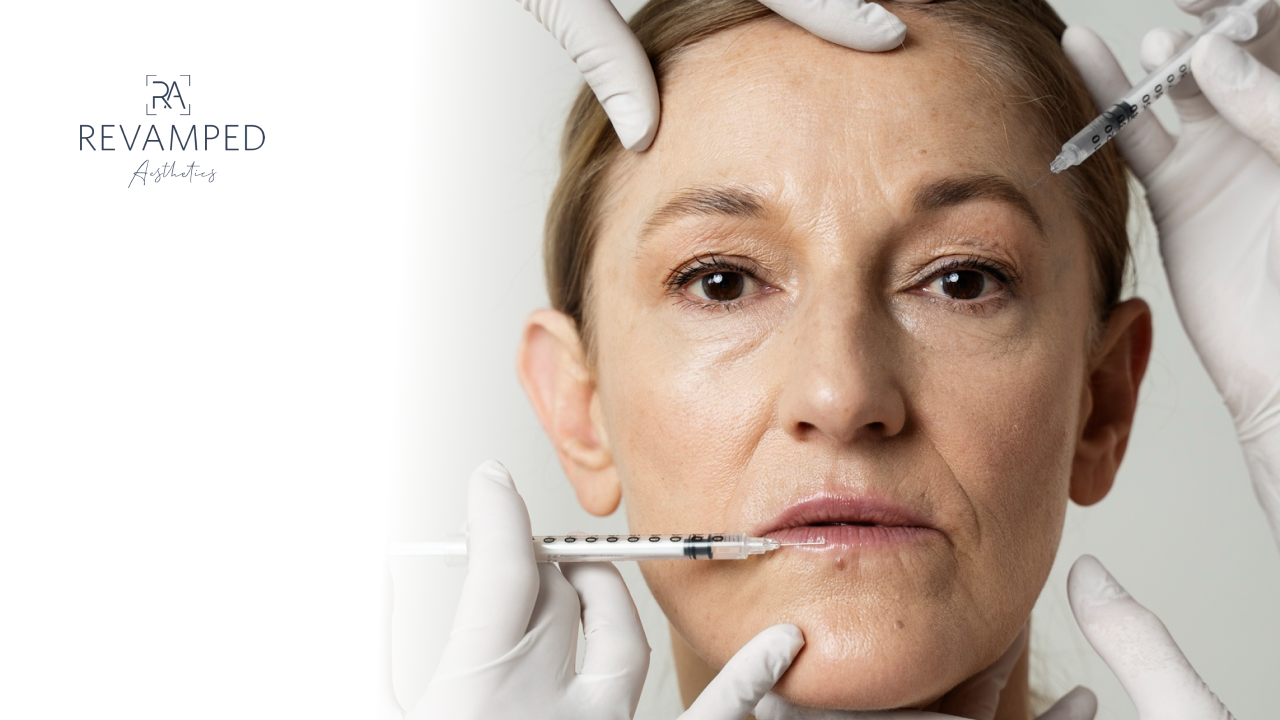
Choosing between cosmetic treatments requires understanding what each one does. Botox is a neurotoxin used in specific medical and cosmetic procedures, and it works by temporarily relaxing targeted muscles. When these muscles relax, it may reduce the appearance of dynamic wrinkles may be reduced. Here are some of the distinct uses of Botox and fillers so you can be more informed about your options:
Botox Applications
Botox treatments address wrinkles that appear with facial expressions. These are dynamic wrinkles, and they form from years of smiling, frowning, and squinting. A medical provider injects Botox directly into specific muscles. This action blocks nerve signals that cause the muscles to contract, which helps soften the lines they create.
The effects of a Botox treatment are not permanent. Over time, the body metabolizes the product, and muscle function gradually returns to normal. This process means follow-up treatments are needed to maintain the initial results. The duration of the effects varies among individuals, but it typically lasts for several months before muscle movement fully resumes.
Botox is used for:
- Reducing the appearance of fine lines and wrinkles on the face
- Treating chronic migraines by minimizing headache frequency
- Controlling excessive sweating by blocking sweat glands
- Managing muscle spasms in conditions such as cervical dystonia
Filler Applications
Dermal fillers operate differently from Botox because they add volume to the skin. They are gel-like substances injected beneath the surface. Fillers are used to help smooth out static wrinkles, which are lines that remain visible even when your face is at rest. The primary function is to restore lost volume and plump up the skin.
There are many types of fillers, and they include different substances. Some popular fillers use hyaluronic acid, a substance that naturally occurs in the body, while others might use different materials. These products can be applied to various areas of the face. Typical applications include plumping thin lips, softening facial creases, and enhancing shallow contours.
Unlike Botox, which relaxes muscles, fillers take up open spaces. The results are visible almost immediately. The longevity of filler treatments depends on the specific product used, the area treated, and the individual’s metabolism, so the timeline can vary.
Factors That Apply
Your choice between Botox and fillers will depend on a few key factors, and they are based on individual needs. When making a decision, the type of wrinkle you want to address is a primary determinant. Another element is the specific cosmetic goal you have in mind. Understanding your unique situation helps guide the decision.
Here are a few things that influence the choice of treatment:
- The area of the face being treated
- The type of wrinkle (dynamic or static)
- The desired outcome (smoothing lines or adding volume)
Schedule Botox Treatments Today
Understanding the distinctions between Botox and fillers allows you to make a more educated decision. Botox relaxes muscles to soften dynamic wrinkles, while fillers add volume to address static lines and restore fullness. Both treatments offer different approaches to facial aesthetics. To learn more about which option aligns with your personal goals, schedule a consultation with a medical team.
- Responsible AI and Data Governance in Financial Services: A Practical Guide for the U.S. Virgin Islands
- How To Build A Strong Personal Injury Claim In Pennsylvania
- A Practical Safety Plan for Older Adults Living Alone
- 10 Examples Of Medical Malpractice That Patients Should Know
- Innovations in Advanced Urology Treatments

Key Takeaways Reliable financial AI depends on accurate, traceable, well-permissioned [...]

Key Takeaways Put safety and medical care ahead of evidence [...]

Key Takeaways Living alone can be safe when daily routines, [...]
Atlanta patients often receive care from large hospital systems, neighborhood [...]
Diagnostic Precision and Risk Stratification in Modern Urology The foundation [...]

Key Takeaways A recurring SUV problem should be documented from [...]

A printed guide succeeds when it helps someone complete a [...]

Key Takeaways An arrest or citation is an allegation, not [...]