
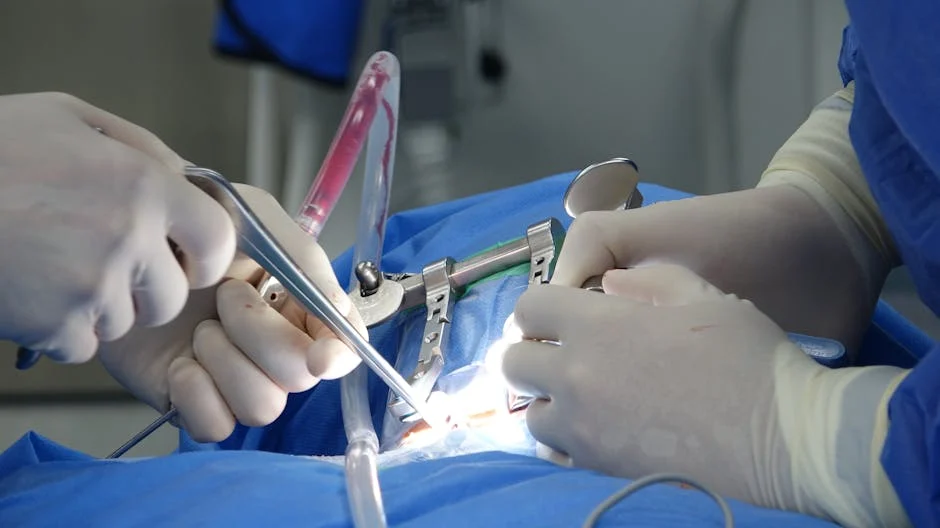
Minimally invasive techniques use smaller incisions, specialized instruments, and advanced imaging guidance. Orthopedic specialists can address injuries and degenerative problems with less disruption to surrounding tissues. This approach may translate to reduced postoperative discomfort and a faster return to daily activities when compared with traditional open surgery. Here is more information on how minimally invasive methods are transforming musculoskeletal treatment:
Exploring Minimally Invasive Care
Minimally invasive orthopedic procedures use small incisions; surgeons use specialized tools and cameras to view the treatment area on a monitor. This approach allows them to repair damaged tissue, remove bone fragments, or reconstruct joints without opening large sections of skin and muscle. Arthroscopy is one of the common minimally invasive techniques. During this procedure, a surgeon inserts a small camera called an arthroscope into the joint. The camera displays images on a screen that guide the surgeon as they work, and it is frequently used to treat knee, shoulder, and hip conditions.
Highlighting Patient Benefits
Minimally invasive orthopedic techniques offer several benefits that directly improve the patient experience. Here are some of them:
- Less pain after surgery: Smaller incisions cause less trauma to muscles and soft tissue, which reduces post-operative discomfort.
- Shorter hospital stays: Many minimally invasive procedures are performed on an outpatient basis, meaning you can go home the same day.
- Faster recovery times: Reduced tissue damage allows your body to heal more quickly, so you can return to work and daily activities sooner.
- Lower risk of infection: Smaller incisions mean less exposure to bacteria, reducing the risk of complications.
- Minimal scarring: Tiny incisions heal with smaller, less noticeable scars compared to traditional surgery.
These benefits make minimally invasive techniques a preferred option for many patients, but the best approach depends on your specific condition and overall health.
Choosing Minimally Invasive Care
Minimally invasive techniques are effective for many orthopedic conditions; they are well-suited for treating torn ligaments, cartilage damage, rotator cuff injuries, and certain fractures. Arthroscopy is used for meniscus tears, ACL reconstruction, and labral repairs in the shoulder and hip. Spinal conditions such as herniated discs and spinal stenosis can also be addressed with minimally invasive methods. Surgeons use endoscopic techniques to decompress nerves and stabilize the spine without disrupting surrounding tissue.
Despite these advantages, minimally invasive surgery is not always the right choice. Complex fractures, severe joint deformities, and advanced arthritis may require traditional open surgery. Open procedures provide better access to the treatment area and allow surgeons to address extensive damage more effectively. Your orthopedic surgeon will evaluate your condition and recommend the most appropriate treatment.
Exploring Orthopedic Care
Knowing what to expect can help you prepare for minimally invasive orthopedic care. Here’s what you can expect:
- Initial consultation: Your surgeon will review your medical history, perform a physical exam, and order imaging tests such as X-rays or MRIs to assess your condition.
- Pre-operative preparation: You may need to stop certain medications, fast before surgery, and arrange for someone to drive you home afterward.
- The procedure: after regional anesthesia, your surgeon will make small incisions and use specialized instruments to complete the repair.
- Post-operative care: You will receive instructions for wound care, pain management, and activity restrictions.
- Rehabilitation: Physical therapy plays a key role in recovery. Your therapist will guide you through exercises that restore strength, flexibility, and range of motion.
Recovery times vary depending on the procedure and your overall health.
Explore Orthopedic Services Today
Minimally invasive techniques in orthopedic care reduce pain, shorten recovery time, and improve patient outcomes. These procedures are effective for treating a wide range of musculoskeletal conditions, but traditional surgery remains necessary for more complex cases. Contact a qualified orthopedic surgeon near you to schedule your appointment and explore available orthopedic services today.
- Responsible AI and Data Governance in Financial Services: A Practical Guide for the U.S. Virgin Islands
- How To Build A Strong Personal Injury Claim In Pennsylvania
- A Practical Safety Plan for Older Adults Living Alone
- 10 Examples Of Medical Malpractice That Patients Should Know
- Innovations in Advanced Urology Treatments

Key Takeaways Reliable financial AI depends on accurate, traceable, well-permissioned [...]

Key Takeaways Put safety and medical care ahead of evidence [...]

Key Takeaways Living alone can be safe when daily routines, [...]
Atlanta patients often receive care from large hospital systems, neighborhood [...]
Diagnostic Precision and Risk Stratification in Modern Urology The foundation [...]

Key Takeaways A recurring SUV problem should be documented from [...]

A printed guide succeeds when it helps someone complete a [...]

Key Takeaways An arrest or citation is an allegation, not [...]