
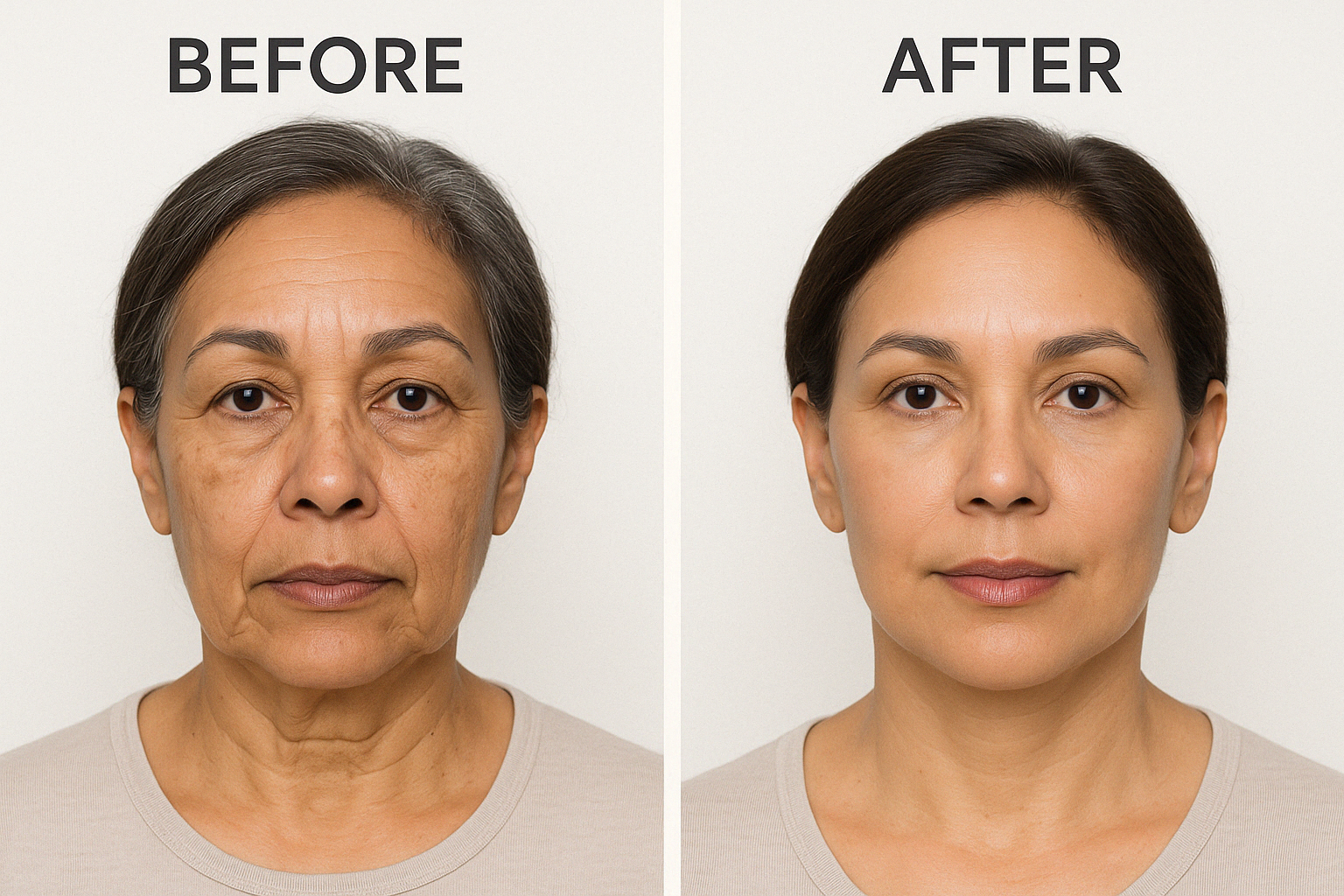
Aging naturally reduces skin elasticity, and gravity causes facial tissues to descend over time. A face lift is a surgical intervention designed to address these visible signs of aging in the lower face and neck. Patients seek this procedure to achieve a rejuvenated appearance, but understanding the medical implications is necessary before proceeding. Here is more information on this procedure and what makes a good candidate:
What Is a Face Lift?
This cosmetic surgical procedure focuses primarily on the lower face and neck. It targets specific anatomical changes, such as sagging skin, deep nasolabial folds, and loose tissue along the jawline. The operation creates a smoother contour, and it provides a more defined jawline by repositioning underlying tissues.
The procedure is distinct from surgeries that target the upper face, such as brow lifts or eyelid surgery. A face lift specifically corrects jowls and excess fat or skin under the chin. It is a structural repair of the facial tissues, so the results may be more significant than those achieved through non-surgical treatments.
How Does It Work?
The fundamental mechanism involves surgically repositioning both the skin and the deeper soft tissues. The surgeon typically lifts the underlying muscle layer, and they secure it in a higher position to correct sagging. This step restores facial volume to a position that mimics the patient’s anatomy from years prior.
Once the deeper structures are secured, the surgeon redrapes the skin over the new contours without applying excessive tension. Excess skin is trimmed away at the incision points, and the remaining skin is closed. This technique helps avoid an unnatural look while effectively smoothing deep wrinkles and eliminating loose jowls.
What Does the Process Involve?
The process begins with a comprehensive medical evaluation to determine physical readiness for surgery. The surgeon reviews medical history and current medications, and they examine the facial bone structure and skin quality. Following the surgery, the recovery phase involves monitoring for swelling and bruising. Patients benefit from following specific post-operative instructions to facilitate healing, and follow-up appointments monitor progress.
What Are the Benefits?
The primary benefit is the reduction of sagging skin in the midface and neck area. Deep folds and jowls are minimized, giving the jawline a sharper definition that may last many years. Patients may notice that their facial features appear rested, and the skin looks firmer after the recovery period.
This procedure effectively removes signs of aging that non-invasive treatments cannot reach. While fillers add volume, a face lift physically removes excess tissue, and it tightens the structural support of the face. This results in a long-term correction of laxity rather than a temporary fix.
What Makes a Good Candidate?
Ideal candidates are individuals who demonstrate distinct signs of facial aging but still possess some skin elasticity. Good bone structure provides the support needed for soft-tissue changes, and it helps yield more natural-looking results. The surgery aims to improve appearance rather than achieve perfection, so understanding the limitations is beneficial. A consultation clarifies what the procedure can achieve and helps align patient goals with surgical options.
Learn More From a Specialist
Determining if a face lift is the appropriate course of action requires professional medical advice. A cosmetic surgeon will assess individual anatomy, and they can discuss specific aesthetic goals in detail. Schedule a consultation today to receive a personalized evaluation and learn more about your options.
- Responsible AI and Data Governance in Financial Services: A Practical Guide for the U.S. Virgin Islands
- How To Build A Strong Personal Injury Claim In Pennsylvania
- A Practical Safety Plan for Older Adults Living Alone
- 10 Examples Of Medical Malpractice That Patients Should Know
- Innovations in Advanced Urology Treatments

Key Takeaways Reliable financial AI depends on accurate, traceable, well-permissioned [...]

Key Takeaways Put safety and medical care ahead of evidence [...]

Key Takeaways Living alone can be safe when daily routines, [...]
Atlanta patients often receive care from large hospital systems, neighborhood [...]
Diagnostic Precision and Risk Stratification in Modern Urology The foundation [...]

Key Takeaways A recurring SUV problem should be documented from [...]

A printed guide succeeds when it helps someone complete a [...]

Key Takeaways An arrest or citation is an allegation, not [...]