
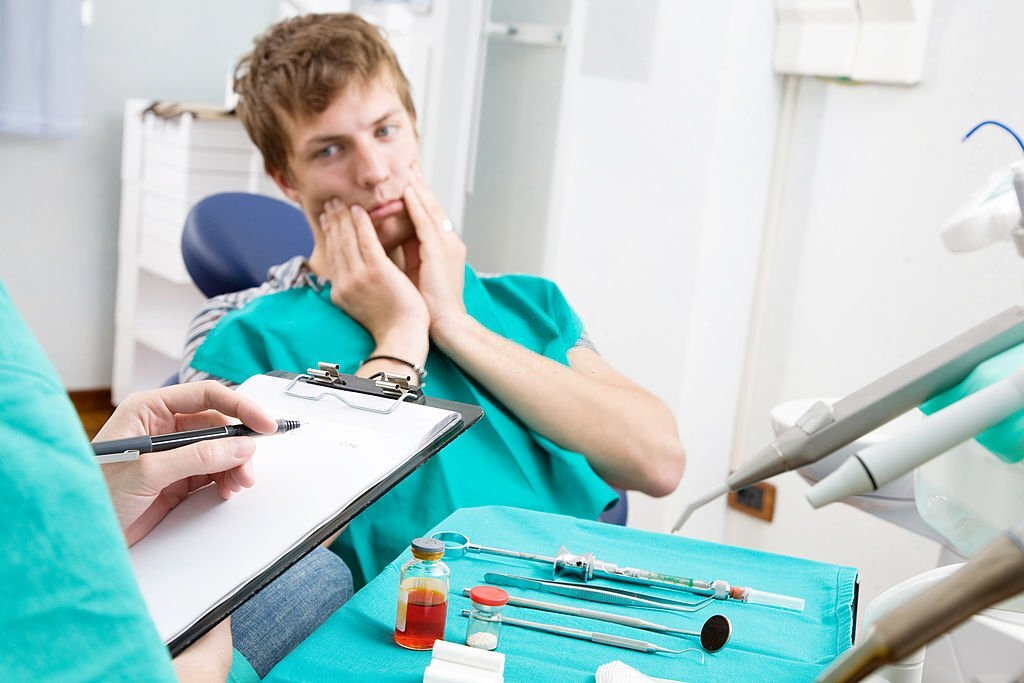
Dental emergencies arise unexpectedly and often require prompt professional attention to prevent further complications. Emergency Dentistry focuses on the immediate evaluation and treatment of urgent dental issues, such as severe pain, trauma, or infection. Understanding what to expect from emergency dentistry services helps patients seek appropriate care to protect their oral health.
What Is a Dental Emergency?
Not every dental issue qualifies as an emergency, but certain symptoms indicate a need for emergency dentistry. A knocked-out tooth is a key example of a situation requiring urgent dental care to save it. Severe pain that prevents sleep or normal function is also a sign that something is wrong.
Swelling of the gums or face often indicates an infection or abscess that requires treatment. Bleeding that does not stop after applying pressure is another fundamental sign of a dental emergency. Broken or chipped teeth also require urgent dental care if the fracture exposes the nerve or causes significant discomfort. Ignoring these signs can lead to complex health issues later.
What Happens During a Visit?
When a patient arrives for an emergency dentistry appointment, the dental team follows a structured protocol to assess the injury. Here’s what you can expect:
- Triage and Medical History: The staff collects information about the current symptoms and reviews the patient’s medical history.
- Examination: The dentist performs a visual inspection of the affected area to look for signs of trauma or infection.
- Diagnostic Imaging: X-rays are often taken to visualize what is happening beneath the gum line and inside the tooth.
- Pain Management: The dentist may administer local anesthesia or prescribe medication to alleviate acute discomfort.
- Treatment Planning: The provider explains the diagnosis and proposes a plan to resolve the immediate issue.
This methodical approach allows the dentist to provide effective care for the specific injury.
What Treatments Are Offered?
Dentists use a variety of techniques to maintain oral health and relieve pain. Here are some of them:
- Root Canal Therapy: This procedure removes infected pulp from inside the tooth to alleviate pain and save the natural tooth structure.
- Tooth Extractions: If a tooth is irreparably damaged, the dentist removes it to prevent the spread of infection.
- Reimplantation: A dentist can sometimes reinsert a knocked-out tooth if the patient seeks care immediately.
- Temporary Restorations: The provider may place a temporary filling or crown to protect a damaged tooth until a permanent solution is ready.
- Incision and Drainage: This treats an abscess by draining the infection to reduce pressure and swelling.
These emergency dentistry treatments focus on resolving immediate crises and preparing the mouth for long-term recovery.
How Are Complications Prevented?
Seeking emergency dentistry helps prevent minor issues from becoming major health risks. For instance, treating a cavity or crack early prevents bacteria from reaching the nerve and causing an abscess. Prompt treatment preserves the natural tooth structure and maintains overall gum health.
Emergency services also reduce the likelihood of systemic infection spreading to other parts of the body. Resolving a dental emergency quickly often requires less invasive procedures than waiting until the condition worsens. Make sure to contact a dentist as soon as symptoms appear to achieve the best outcome.
Book Your Emergency Dentistry Appointment
Emergency dentistry provides key interventions for severe pain, trauma, and infection. Understanding the scope of these services helps patients make informed decisions about their oral health. If you suspect you have a dental emergency, contact an emergency dentist near you to book your appointment for immediate care.
- Responsible AI and Data Governance in Financial Services: A Practical Guide for the U.S. Virgin Islands
- How To Build A Strong Personal Injury Claim In Pennsylvania
- A Practical Safety Plan for Older Adults Living Alone
- 10 Examples Of Medical Malpractice That Patients Should Know
- Innovations in Advanced Urology Treatments

Key Takeaways Reliable financial AI depends on accurate, traceable, well-permissioned [...]

Key Takeaways Put safety and medical care ahead of evidence [...]

Key Takeaways Living alone can be safe when daily routines, [...]
Atlanta patients often receive care from large hospital systems, neighborhood [...]
Diagnostic Precision and Risk Stratification in Modern Urology The foundation [...]

Key Takeaways A recurring SUV problem should be documented from [...]

A printed guide succeeds when it helps someone complete a [...]

Key Takeaways An arrest or citation is an allegation, not [...]