
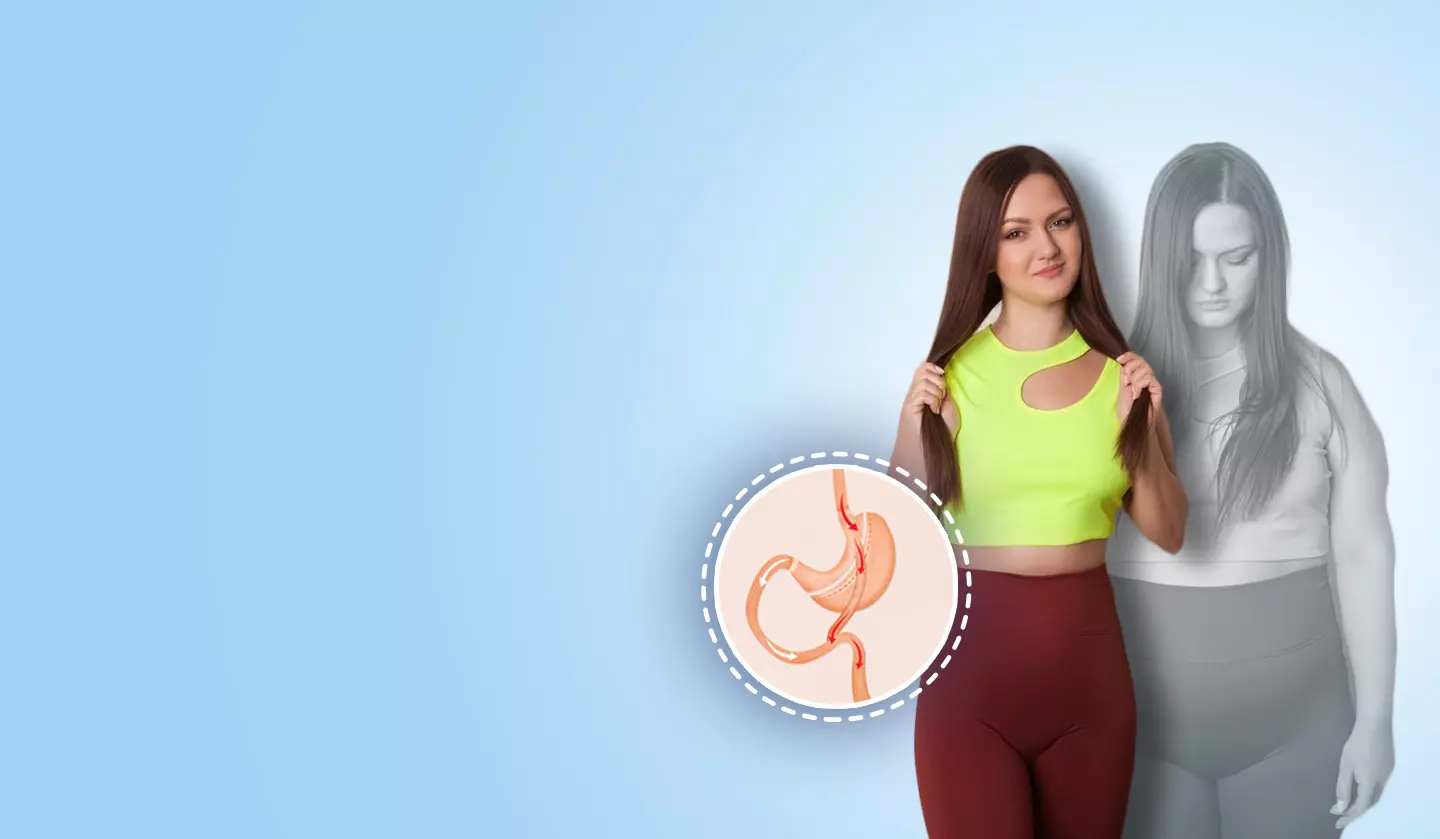
Bariatric surgery is a medical approach to weight loss that helps treat obesity and related health conditions by changing how the stomach and the digestive system process food. Several procedures are available, each with distinct mechanisms, benefits, and long-term requirements. This makes the right choice reliant on a patient’s health profile, weight-loss goals, and commitment to lifelong nutrition. Here’s an overview of the different approaches to bariatric surgery:
Exploring Surgery Types
There are several types of bariatric surgery available, each with distinct characteristics and mechanisms:
- Gastric Sleeve (Sleeve Gastrectomy): This procedure removes approximately 75% of the stomach, leaving a banana-shaped tube. The smaller stomach holds less food, reducing calorie intake and decreasing ghrelin production.
- Gastric Bypass (Roux-en-Y): This surgery creates a small pouch from the stomach and connects it directly to the small intestine. Food bypasses most of the stomach and the first section of the small intestine, limiting both food intake and nutrient absorption.
- Adjustable Gastric Band: A silicone band is placed around the upper portion of the stomach to create a small pouch that limits the amount of food the stomach can hold at a time. The band can be tightened or loosened through a port under the skin.
- Duodenal Switch: This complex procedure combines sleeve gastrectomy with intestinal bypass. This surgery restricts food intake while significantly limiting nutrient absorption.
Each procedure has specific benefits and risks that make it more suitable for different patients and medical situations.
Choosing the Right Option
Selecting the right bariatric procedure involves multiple factors. Your surgeon evaluates your body mass index (BMI), existing health conditions, weight loss goals, and lifestyle factors. Previous abdominal surgeries, medications you take, and conditions like diabetes or heart disease all influence which procedure works best. The surgeon also evaluates your commitment to lifestyle changes, as all bariatric procedures require permanent dietary modifications and regular exercise. Some patients need to complete a pre-surgical program that includes nutritional counseling, psychological evaluation, and medical testing.
Understanding the Process
The bariatric surgery process unfolds in three distinct phases. Before surgery, you’ll attend multiple appointments with your surgical team. These visits include consultations with your surgeon, meetings with a nutritionist, and, if needed, sessions with a psychologist. You may need to follow a special diet for several weeks before your procedure to shrink your liver and make surgery safer.
During surgery, the surgeon uses a camera and specialized instruments to complete the procedure. Most patients stay in the hospital for one to three days after surgery for monitoring and pain management. After surgery, you’ll follow a staged diet that starts with clear liquids and gradually progresses to solid foods over several weeks. Pain is typically manageable with medication, and most people return to normal activities within three to five weeks. Regular follow-up appointments help your medical team track your progress and address any concerns.
Book Your Bariatric Surgery Appointment
The bariatric procedure you choose depends on your individual circumstances, medical history, and weight loss goals. Understanding the different types of weight loss surgery, what to expect during treatment, and life after surgery helps you make an informed decision. If you’re thinking about bariatric surgery, contact a qualified surgeon near you to book your appointment today.

Family practices provide comprehensive care for every member of your [...]

Every person's skin is unique, and choosing the right facial [...]

Many individuals experience recurring headaches, and sometimes the source can [...]

Aesthetics involves procedures that address the appearance of the skin [...]

Because health involves complex systems, integrative medicine combines conventional treatments [...]

Cardiac centers provide specialized care for individuals experiencing heart-related symptoms [...]

Wounds are common injuries that occur from cuts, scrapes, or [...]

Plantar fasciitis affects the tissues in the feet and often [...]