
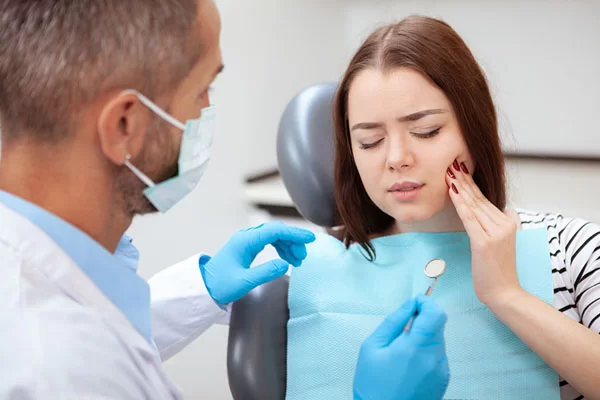
Many individuals experience recurring headaches, and sometimes the source can be difficult to pinpoint. An often-overlooked connection exists between head pain and the temporomandibular joint, which connects your jawbone to your skull. Understanding the link between temporomandibular joint disorders, also known as tmj, and headaches is a step toward identifying the source of discomfort.
Understanding TMJ Disorders
Temporomandibular joint disorders involve issues with the jaw muscles and the joints themselves. These joints act like sliding hinges, but whenever they malfunction, they can cause significant discomfort. The complex system of muscles, ligaments, and bones can be disrupted, causing a range of symptoms that go beyond the immediate jaw area. Investigating a tmj disorder often requires a detailed look at the anatomy and function of this specific joint.
Identifying TMJ Causes
TMJ disorders can have various causes, some of which are straightforward, while others may be harder to pinpoint. Some factors that can contribute to tmj disorders include:
- Trauma to the jaw, such as from an accident or facial injury.
- Arthritis affecting the jaw joint.
- Erosion or damage to the joint’s disk.
- Habitual teeth grinding or clenching (bruxism).
- Unknown causes, where diagnosis may require elimination.
Linking TMJ and Headaches
The link between tmj disorders and headaches lies in the complex network of muscles and nerves in the head and neck. When jaw muscles are tense or overworked, the strain spreads to surrounding areas, causing tension-type headaches. This pain often feels like a tight band around the head, and it is hard to differentiate from other headache types without proper evaluation.
The jaw joint’s close proximity to major nerves results in referred pain, in which discomfort is felt in a different location than its source. This connection explains why tmj-related issues are often mistaken for other conditions, leading to misdiagnosis. Understanding these mechanisms is beneficial, as proper treatment will address both the jaw issues and the associated headaches.
Recognizing Common Symptoms
Identifying a TMJ-related headache involves looking for a pattern of symptoms beyond the head pain itself. These can often provide clues that the jaw is the underlying issue. Common indicators include:
- Pain or tenderness in the jaw
- Aching pain in and around the ear
- Difficulty or discomfort while chewing
- Locking of the joint, making it difficult to open or close the mouth
Listeners may also notice a clicking or popping sound when you move your jaw. This combination of symptoms often points toward a tmj disorder as the potential source of recurring headaches.
Exploring Treatment Options
Treatment for tmj disorders aims to relieve pain and restore normal jaw function. The approach can vary widely depending on the cause and severity of the condition. Initial steps can involve simple self-management techniques such as eating soft foods, applying ice packs, and performing gentle jaw-stretching exercises. A healthcare provider might suggest a custom-fit oral appliance or night guard to prevent teeth grinding.
Take Control of Pain
Headaches originating from jaw tension can affect your daily life, but identifying the connection is the first step toward managing the discomfort. By understanding the symptoms and potential causes, you can take a more educated approach to your health. If you suspect your headaches are related to a tmj disorder, discussing your symptoms with a qualified healthcare professional can help you find an appropriate treatment option.
Family practices provide comprehensive care for every member of your [...]

Every person's skin is unique, and choosing the right facial [...]
Many individuals experience recurring headaches, and sometimes the source can [...]
Aesthetics involves procedures that address the appearance of the skin [...]

Because health involves complex systems, integrative medicine combines conventional treatments [...]
Cardiac centers provide specialized care for individuals experiencing heart-related symptoms [...]
Wounds are common injuries that occur from cuts, scrapes, or [...]
Plantar fasciitis affects the tissues in the feet and often [...]