
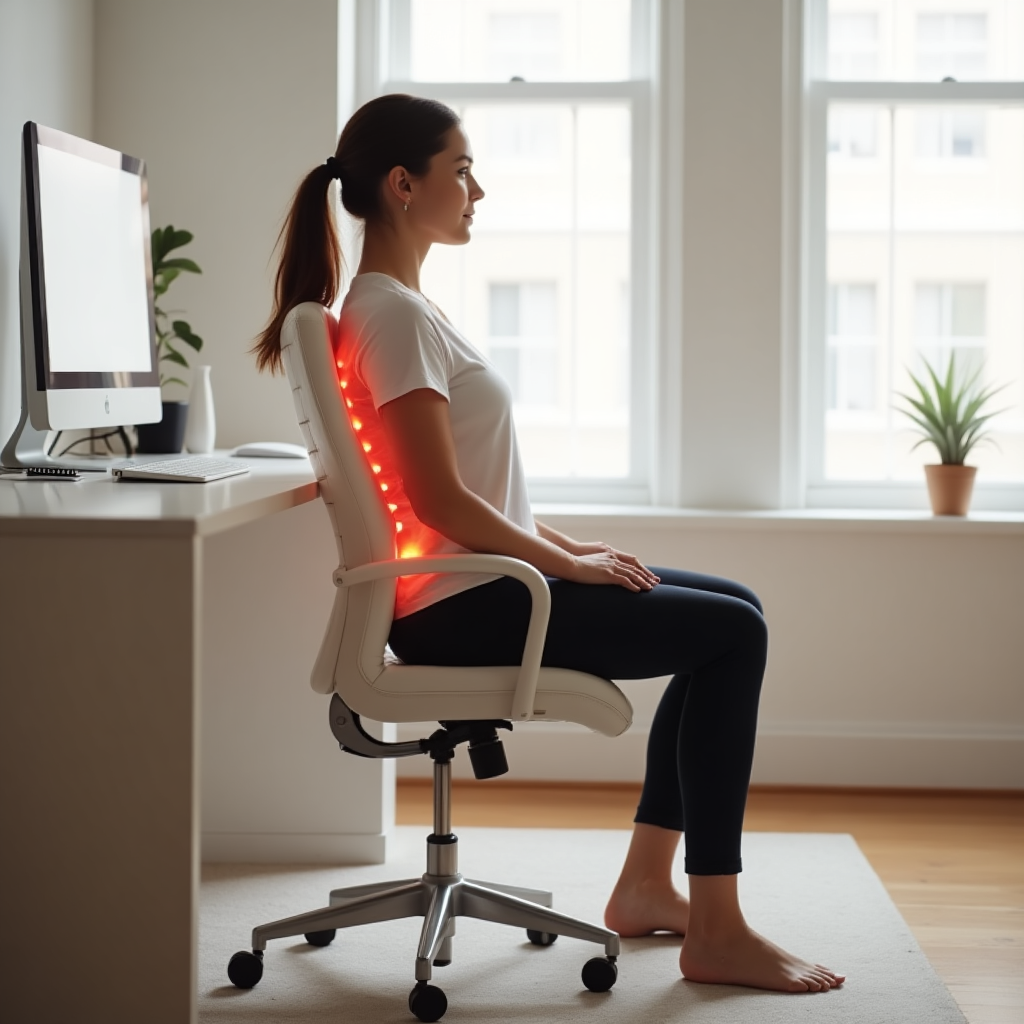
Spine care does not have to mean following a complicated routine or trying to hold one “perfect” posture all day. For people balancing office work, commutes, family responsibilities, exercise, and weekend projects, the most helpful habits are often simple: move regularly, set up common workspaces thoughtfully, and respond early when pain changes the way the body moves. People looking for personalized guidance from a chiropractor in Plantation FL, may also benefit from understanding the everyday patterns that can influence comfort between appointments.
The spine helps the body sit, stand, walk, bend, lift, and rotate. It works with muscles, joints, and nerves, so stiffness in the neck, upper back, hips, or legs can affect how the entire body feels during daily activities. Small adjustments repeated consistently can make active living feel more manageable.
Why Daily Spine Care Matters
Long periods in any one position can leave muscles feeling tired and joints feeling stiff, whether that position is sitting at a desk, driving, standing at a counter, or relaxing on the couch. Rather than aiming for a rigid posture, focus on variety in posture. Shifting positions, standing up, and taking brief walks give the body regular opportunities to reset.
Daily habits matter because most back and neck strain is not tied to one dramatic moment. It may build gradually through repetitive tasks, awkward lifting, limited movement, or overdoing activity beyond what the body is ready to handle. A few minutes of purposeful movement throughout the day can be easier to sustain than an occasional intense effort.
Simple Spine Habits for Desk Work
Set Up the Screen
Place the primary screen directly in front of you and near eye level so you are not repeatedly turning or bending your neck. Keep frequently used items, such as a keyboard, mouse, phone, and notes, within easy reach. A workspace does not need to look flawless, but it should reduce the need to crane forward or twist toward the same side for hours at a time.
Support the Lower Back
A chair that supports the lower back can make longer sitting periods more comfortable. Keep both feet supported by the floor or a stable footrest when possible, and adjust the chair height so the hips and knees feel relaxed. The benefits of periodic rest breaks and posture changes also apply to home offices, traditional workplaces, and temporary laptop setups.
Change Positions Often
Sitting is not automatically harmful, and standing all day is not necessary. The practical goal is to avoid becoming locked into one position. Alternate between sitting, standing, walking, and gentle stretching as work tasks allow.
How to Add More Movement During the Day
Movement breaks work best when they are connected to routines that already happen. Instead of waiting until stiffness becomes distracting, use ordinary transitions as cues to get up.
- Stand after finishing a meeting, email task, or phone call.
- Walk for a few minutes before beginning the next project.
- Gently roll the shoulders and move the neck only through a comfortable range.
- Choose stairs, a farther parking space, or a short errand walk when it is safe and practical.
- Take a relaxed walk after a meal when your schedule permits.
Calendar reminders can help at first, but natural cues are usually easier to maintain. Even short breaks can interrupt a long stretch of stillness without disrupting a productive workday.
Preparing for Sports and Exercise
An active lifestyle still benefits from preparation. A person who has been seated for much of the week may feel ready for golf, tennis, a long run, yard work, or a demanding gym session, but the body may need time to transition into those movements.
Use a Gradual Warm-Up
Begin with five to ten minutes of easy activity, such as walking, light cycling, or slow movement patterns related to the planned workout. Add comfortable mobility for areas that will be used, including the hips, shoulders, and upper back. A warm-up should prepare the body, not exhaust it.
Increase Training Slowly
Avoid sudden jumps in lifting weight, mileage, speed, or playing time. Build volume gradually, balance harder sessions with easier activity, and reassess when pain changes form or makes normal movement difficult. Overdoing exercise after a period of inactivity is one recognized contributor to back pain.
Building Strength and Flexibility
Strength and mobility support different parts of comfortable movement. Controlled strength work can help the trunk, hips, upper back, and legs handle everyday tasks such as carrying groceries, climbing stairs, and lifting objects from the floor. Mobility work can make it easier to reach, rotate, and bend without forcing a range of motion.
Walking, swimming, resistance training, yoga, and beginner Pilates can all be reasonable options when matched to a person’s current ability and health needs. Adults are generally encouraged to include muscle-strengthening activity on at least two days each week, with exercises that work major muscle groups. Start with manageable resistance and prioritize controlled technique over heavier weights.
Recovery After Activity
Recovery begins when the activity ends. Cool down with easy walking rather than stopping abruptly, drink water throughout the day, and allow enough sleep and rest between demanding workouts. If the body feels mildly stiff the next day, gentle movement may feel better than complete inactivity.
Normal muscle fatigue after trying something new is different from sharp, worsening, or radiating pain. Pain that changes walking, causes weakness, or continues to intensify deserves closer attention instead of being dismissed as ordinary soreness.
Common Habits That May Cause Strain
- Staying still too long: Extended work sessions can contribute to stiffness and fatigue.
- Looking down at a phone for long periods: Repeated neck bending may aggravate neck or upper-back discomfort.
- Lifting while twisting: Turn with your feet and keep the load close, rather than rotating through your back while carrying it.
- Skipping a warm-up: Sudden effort can feel harder when the body has been inactive.
- Doing too much too soon: Progress is more sustainable when activity increases gradually.
- Chasing perfect posture: A comfortable position can still become uncomfortable when held too long.
When Pain Needs Professional Attention
Seek prompt medical guidance after a serious fall, collision, or other significant impact involving the neck or back. Professional evaluation is also important for symptoms such as new arm or leg weakness, numbness that does not improve, pain traveling down an arm or leg, trouble walking or maintaining balance, fever, unexplained weight loss, or changes in bladder or bowel control. These symptoms that warrant medical attentionshould not be managed with general self-care alone.
Persistent pain that is steadily worsening, regularly interrupts sleep, or does not improve with reasonable changes in activity should also be discussed with a qualified healthcare professional. General spine-care information is not a substitute for an individual diagnosis or treatment plan.
A Simple Daily Spine-Care Plan
Morning
Take a short walk or perform gentle mobility movements, then notice any unusual stiffness before the day begins.
During Work
Adjust the screen and chair, vary positions, and build brief movement breaks into natural work transitions.
Before and After Exercise
Warm up gradually, use controlled movements, cool down afterward, and note any pain that returns with the same activity.
Final Takeaway
Healthy spine habits are usually practical rather than complicated. Move more during the day, make workspaces more supportive, prepare for activity, build strength over time, and take warning signs seriously. Those small choices can help desk work, exercise, and everyday responsibilities feel more comfortable without turning spine care into a full-time task.
- Everyday Spine Care: Simple Habits for Desk Work, Sports, and Active Living
- Need a Local Bail Bondsman in Pennsylvania? Liberty Bail Bonds Explains How to Request Fast, County-Based Help
- Nova Orthodontics Helps Mukilteo, Washington Patients Address Crooked Teeth With Invisalign
- A Practical Guide to Designing a Bathroom That Is Safer and Easier to Maintain in Lakeland, Florida
- Non-Surgical Solutions for Chronic Pain: A Comprehensive Guide to Relief at Chronic Care of Richmond
Spine care does not have to mean following a complicated [...]

Key Takeaways Liberty Bail Bonds has operated in Pennsylvania since [...]

Key Takeaways Nova Orthodontics offers Invisalign treatment for children, teens, [...]

Key Takeaways A successful Lakeland bathroom remodel should prioritize everyday [...]

Chronic pain is a challenge that touches the lives of [...]

Planning a Gulf Coast getaway often comes down to one [...]

Finding out that your liver enzymes are high can be [...]

Finding the words “liver cyst” on an ultrasound, CT scan, [...]