
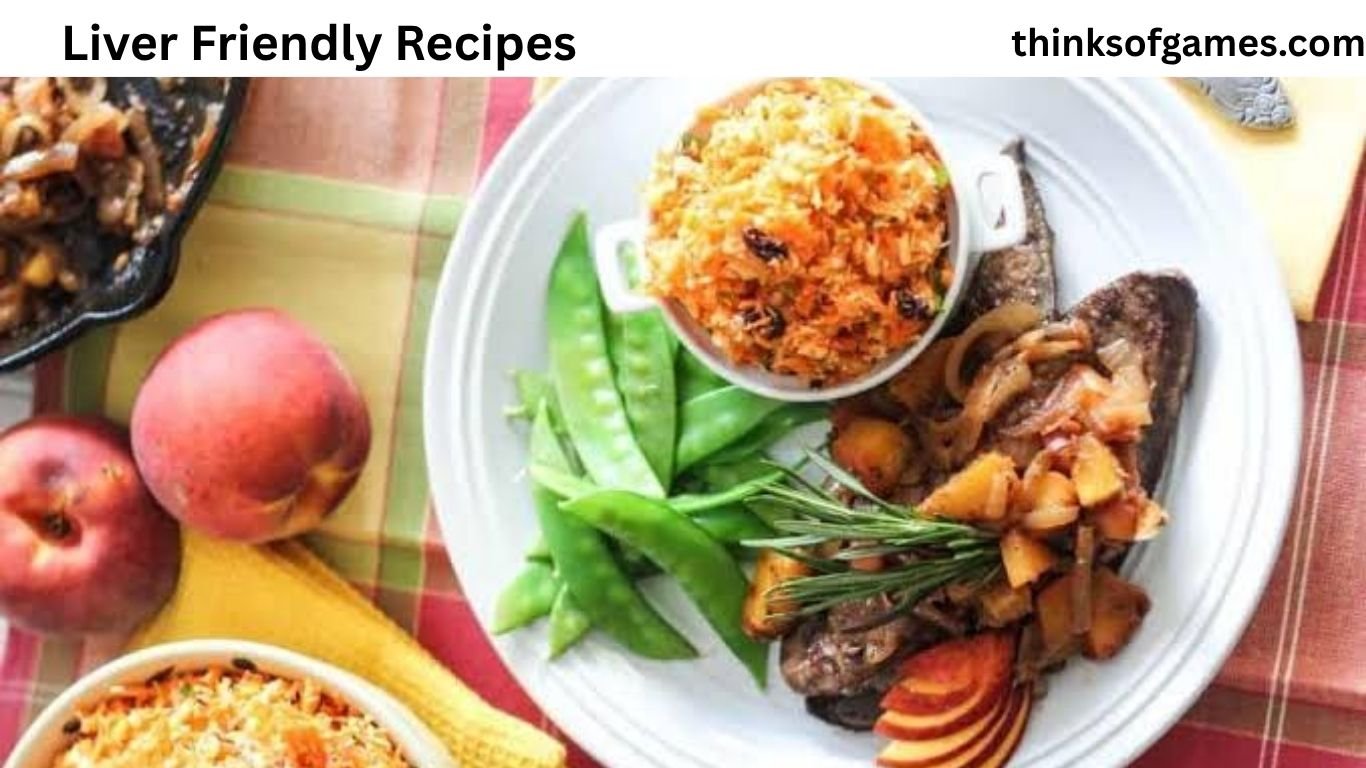
Taking care of your liver does not mean eating boring food or giving up everything you enjoy. In fact, many foods that support overall health can also fit into a liver-friendly eating pattern. The goal is not to find one magical ingredient that “cleanses” the liver. Instead, it is about building everyday meals around vegetables, fruits, whole grains, beans, lean proteins, healthy fats, and minimally processed foods.
This guide to liver friendly recipes is designed for people in the United States who want practical meals that are easy to prepare and enjoyable to eat. It also explains how to choose ingredients, build balanced plates, reduce added sugar and saturated fat, and adapt recipes for different needs.
For people with fatty liver disease, food choices can be especially important. A consistent, balanced eating pattern may support a healthier body weight, better blood sugar control, and improved metabolic health. However, nutrition needs can vary depending on the cause and stage of liver disease. Anyone with diagnosed liver disease should follow personalized advice from a qualified healthcare professional.
What Are Liver Friendly Recipes?
Liver friendly recipes are meals made with ingredients and cooking methods that generally support a balanced, nutrient-rich eating pattern. They emphasize whole and minimally processed foods rather than heavily processed meals high in added sugar, sodium, saturated fat, and refined carbohydrates.
A liver-friendly meal does not need to be complicated. A bowl of oatmeal topped with berries and walnuts can fit the idea. So can grilled salmon with roasted vegetables and brown rice, or a bean-and-vegetable soup served with whole-grain toast.
The most useful way to think about liver friendly recipes is not as a special “liver diet,” but as a sustainable approach to everyday eating.
The liver performs hundreds of important jobs, including processing nutrients, helping regulate metabolism, producing bile, and processing substances from the bloodstream. Supporting overall metabolic health is therefore an important part of supporting liver health.
Why Your Everyday Diet Matters for Liver Health
Your liver and your metabolism are closely connected. Eating patterns that regularly provide excessive calories, added sugars, saturated fats, and highly processed foods can contribute to weight gain and metabolic problems in some people.
This is particularly relevant to metabolic dysfunction-associated steatotic liver disease, commonly called MASLD. The condition involves excess fat in the liver that is associated with metabolic risk factors.
For someone with MASLD, improving the overall quality of the diet can be more useful than searching for a single “superfood.”
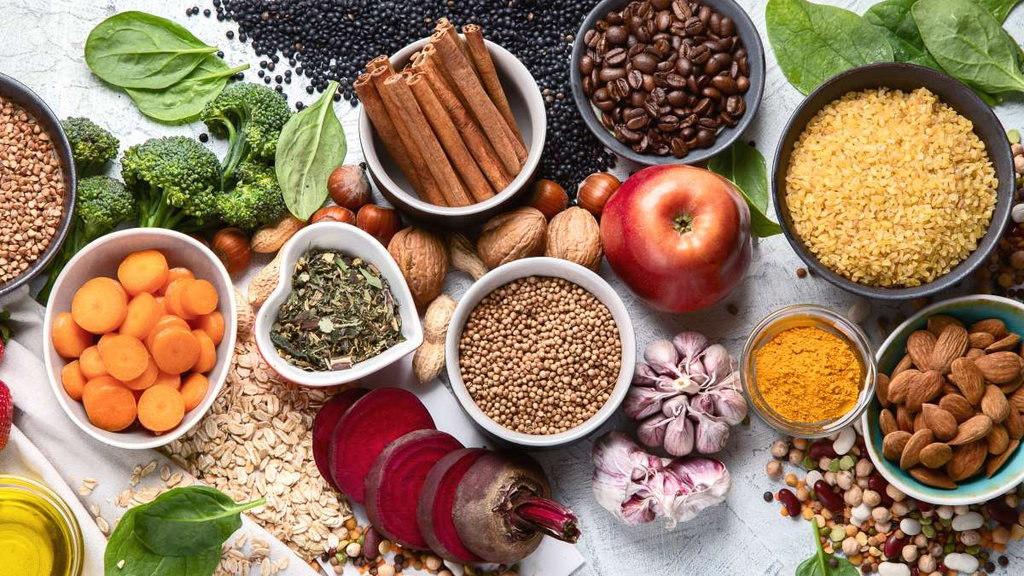
A practical liver-friendly eating pattern usually focuses on:
- Vegetables of different colors
- Whole fruits
- Whole grains
- Beans and lentils
- Fish and seafood
- Skinless poultry
- Nuts and seeds
- Healthy unsaturated fats
- Low-fat or unsweetened dairy when appropriate
- Water and other low-sugar beverages
At the same time, it makes sense to limit foods and drinks that are high in added sugars, refined carbohydrates, saturated fat, and excessive sodium.
The Best Foods to Include in Liver Friendly Recipes
A good recipe starts with good ingredients. You do not need expensive specialty foods. Many affordable foods found at an ordinary American grocery store can work well.
Vegetables
Vegetables should play a major role in many liver friendly recipes.
Try:
- Spinach
- Broccoli
- Cauliflower
- Bell peppers
- Carrots
- Tomatoes
- Zucchini
- Green beans
- Cabbage
- Mushrooms
- Brussels sprouts
- Kale
- Sweet potatoes
Roasting, steaming, grilling, or sautéing vegetables with a small amount of olive oil can make them flavorful without relying on heavy sauces.
Fruits
Whole fruit provides fiber, vitamins, minerals, and naturally occurring sugars.
Good choices include:
- Berries
- Apples
- Oranges
- Pears
- Peaches
- Kiwi
- Grapes
- Melons
- Bananas
Whole fruit is generally preferable to fruit juice because the whole fruit contains fiber and takes longer to consume.
Whole Grains
Whole grains can make meals more filling while providing fiber and nutrients.
Consider:
- Oatmeal
- Brown rice
- Quinoa
- Barley
- Whole-wheat bread
- Whole-grain pasta
- Farro
- Bulgur
- Whole-grain tortillas
You do not have to eliminate carbohydrates to make a meal liver friendly. The type and portion of carbohydrate matter.
Beans and Lentils
Beans and lentils are particularly useful because they provide plant protein and fiber.
Try:
- Black beans
- Kidney beans
- Chickpeas
- Pinto beans
- Navy beans
- Lentils
- Split peas
They can be added to soups, salads, grain bowls, wraps, and vegetable dishes.
Fish and Seafood
Fish can be an excellent protein choice. Fatty fish such as salmon, sardines, trout, and mackerel provide omega-3 fatty acids.
A simple baked fish recipe can be one of the easiest ways to create a nutritious dinner.
Healthy Fats
Not all fats are the same.
Liver friendly recipes can include moderate amounts of unsaturated fats from:
- Extra-virgin olive oil
- Avocados
- Walnuts
- Almonds
- Pistachios
- Chia seeds
- Flaxseeds
- Pumpkin seeds
Portions still matter because fats are calorie-dense.
Foods to Limit in a Liver Friendly Eating Pattern
A liver-friendly approach is not about creating a giant list of forbidden foods. Instead, focus on foods that are worth eating less often.
Sugary Drinks
Soda, sweet tea, energy drinks, many fruit drinks, and other sugar-sweetened beverages can add a significant amount of sugar without making you feel full.
Water, sparkling water without added sugar, and unsweetened tea are easier everyday choices.
Foods High in Added Sugar
Common examples include:
- Candy
- Sweetened breakfast cereals
- Cookies
- Cakes
- Doughnuts
- Many packaged desserts
- Sweetened coffee drinks
- Syrups
You do not have to remove every dessert from your life. Portion size and frequency matter.
Highly Processed Foods
Some highly processed foods are convenient but can be high in calories, sodium, refined carbohydrates, and unhealthy fats.
Examples include certain:
- Fast-food meals
- Packaged snacks
- Frozen fried foods
- Processed meats
- Sugary baked goods
- Large portions of refined grains
Excess Saturated Fat
Foods high in saturated fat can be limited as part of an overall heart-healthy eating pattern.
Choose leaner cuts of meat more often and use foods such as olive oil, nuts, seeds, and fish as sources of unsaturated fat.
Alcohol
Alcohol deserves special attention when discussing liver health.
For people with certain liver conditions, avoiding alcohol may be recommended. The appropriate amount can depend on the diagnosis, severity of liver disease, medications, and other individual factors.
If you have liver disease, ask your healthcare professional whether alcohol is safe for you rather than assuming that a small amount is harmless.
15 Liver Friendly Recipes for Breakfast, Lunch, and Dinner
The following recipes are designed around simple ingredients and practical cooking methods. They can also be adjusted according to personal taste, budget, allergies, and dietary needs.
1. Berry Walnut Oatmeal
Oatmeal is one of the easiest ways to create a nutritious breakfast.
Ingredients
- 1/2 cup old-fashioned oats
- 1 cup water or unsweetened milk
- 1/2 cup blueberries
- 1/2 cup sliced strawberries
- 1 tablespoon chopped walnuts
- 1 teaspoon chia seeds
- Cinnamon to taste
Directions
Cook the oats with water or unsweetened milk until soft. Add the berries, walnuts, chia seeds, and cinnamon.
Avoid adding large amounts of sugar. If you want more sweetness, use naturally sweet fruit.
This is one of the easiest liver friendly breakfast recipes because it combines whole grains, fruit, fiber, and healthy fats in one bowl.
2. Vegetable and Egg Breakfast Bowl
Eggs can be paired with plenty of vegetables for a filling breakfast.
Ingredients
- 2 eggs
- 1 cup spinach
- 1/2 bell pepper
- 1/4 cup mushrooms
- 1/4 avocado
- 1 slice whole-grain toast
- Black pepper
- Small amount of olive oil
Directions
Sauté the vegetables in a small amount of olive oil. Cook the eggs separately or add them directly to the pan. Serve with avocado and whole-grain toast.
This recipe is simple enough for a weekday morning and can be prepared in less than 15 minutes.
3. Greek Yogurt Berry Bowl
Choose plain Greek yogurt rather than a heavily sweetened flavored yogurt.
Ingredients
- 1 cup plain Greek yogurt
- 1/2 cup blueberries
- 1/2 cup raspberries
- 1 tablespoon ground flaxseed
- 1 tablespoon chopped walnuts
- Cinnamon
Mix everything in a bowl and serve immediately.
For additional texture, add a small amount of unsweetened oats.
4. Avocado and Tomato Whole-Grain Toast
This simple meal works for breakfast, lunch, or a snack.
Ingredients
- 1–2 slices whole-grain bread
- 1/2 avocado
- 1 tomato
- Black pepper
- Lemon juice
- Optional fresh herbs
Toast the bread and top it with mashed avocado and sliced tomato. Add lemon juice and black pepper.
The key is to avoid turning a healthy toast into a high-calorie meal by adding excessive amounts of cheese, butter, or processed meats.
5. Grilled Chicken and Quinoa Bowl
This is one of the most flexible easy liver friendly recipes.
Ingredients
- 4 ounces skinless chicken breast
- 1/2 cup cooked quinoa
- 1 cup mixed vegetables
- 1/4 avocado
- Lemon juice
- 1 teaspoon olive oil
- Garlic
- Black pepper
Grill or bake the chicken. Place quinoa in a bowl and add vegetables and avocado. Top with sliced chicken and a simple lemon-and-olive-oil dressing.
You can change the vegetables depending on what is available.
6. Salmon With Roasted Vegetables
Salmon provides protein and beneficial unsaturated fats.
Ingredients
- 4 ounces salmon
- 1 cup broccoli
- 1 cup zucchini
- 1/2 cup carrots
- 1 teaspoon olive oil
- Lemon
- Garlic
- Black pepper
Place salmon and vegetables on a baking sheet. Season with garlic, lemon, pepper, and a small amount of olive oil.
Bake until the salmon is cooked through and the vegetables are tender.
Serve with a small portion of brown rice or quinoa if desired.
7. Lentil Vegetable Soup
Soup can be an inexpensive way to increase vegetable and legume intake.
Ingredients
- 1 cup cooked lentils
- 1 carrot
- 1 celery stalk
- 1/2 onion
- 1 cup chopped tomatoes
- 2 cups low-sodium vegetable broth
- Spinach
- Garlic
- Black pepper
- Optional herbs
Sauté the onion, carrot, celery, and garlic. Add the tomatoes, lentils, broth, and herbs. Simmer until the vegetables are tender. Add spinach near the end.
Choose low-sodium broth when possible.
8. Chickpea Mediterranean Salad
This colorful salad can be prepared in minutes.
Ingredients
- 1 cup chickpeas
- Cucumber
- Tomato
- Bell pepper
- Red onion
- Parsley
- Small amount of feta
- Olive oil
- Lemon juice
Combine the ingredients and toss gently.
If you are watching sodium, use a smaller amount of feta or choose a lower-sodium option.
9. Turkey and Vegetable Whole-Grain Wrap
A wrap can be healthy when you control the ingredients.
Ingredients
- 1 whole-grain tortilla
- 3–4 ounces roasted turkey
- Lettuce
- Tomato
- Cucumber
- Avocado
- Mustard or plain yogurt-based dressing
Avoid processed deli meats when possible because some varieties can contain substantial amounts of sodium and additives.
10. Baked Cod With Sweet Potato and Green Beans
Cod is a mild, lean protein that works well with vegetables.
Ingredients
- 4 ounces cod
- 1 small sweet potato
- 1 cup green beans
- Lemon
- Garlic
- 1 teaspoon olive oil
- Black pepper
Bake the cod with lemon and garlic. Roast the sweet potato and steam or roast the green beans.
This meal provides protein, vegetables, and a whole-food carbohydrate source.
11. Brown Rice and Black Bean Bowl
This is an affordable meatless option.
Ingredients
- 1/2 cup cooked brown rice
- 3/4 cup black beans
- Corn
- Tomato
- Lettuce
- Bell pepper
- Avocado
- Lime juice
Layer the ingredients in a bowl and add lime juice for flavor.
You can use salsa, but check the sodium content on packaged varieties.
12. Chicken and Vegetable Stir-Fry
A stir-fry does not need a sugary bottled sauce.
Ingredients
- 4 ounces chicken breast
- Broccoli
- Bell pepper
- Mushrooms
- Carrots
- Garlic
- Ginger
- Small amount of olive oil
- Low-sodium soy sauce, used sparingly
Cook the chicken thoroughly. Add the vegetables and cook until crisp-tender. Add garlic, ginger, and a small amount of low-sodium soy sauce.
Serve with brown rice.
13. Mediterranean Salmon Salad
This recipe combines leafy greens, vegetables, salmon, and healthy fats.
Ingredients
- Cooked salmon
- Mixed greens
- Cucumber
- Tomato
- Red onion
- Chickpeas
- Small amount of avocado
- Lemon juice
- Olive oil
Arrange everything in a large bowl and drizzle lightly with lemon and olive oil.
14. Vegetable and Bean Chili
A bean-based chili can be satisfying without relying on fatty meat.
Ingredients
- Black beans
- Kidney beans
- Diced tomatoes
- Bell peppers
- Onion
- Zucchini
- Garlic
- Chili powder
- Cumin
- Low-sodium broth
Cook the vegetables first, then add the remaining ingredients. Simmer until the flavors come together.
Serve with a small amount of avocado instead of a large amount of cheese or sour cream.
15. Apple Cinnamon Chia Pudding
This can be prepared the night before.
Ingredients
- 2 tablespoons chia seeds
- 3/4 cup unsweetened milk
- 1/2 apple, finely chopped
- Cinnamon
- 1 tablespoon chopped walnuts
Mix the chia seeds and milk and refrigerate overnight. Add apple, cinnamon, and walnuts before eating.
This can be useful when you need a quick breakfast on a busy morning.
Fatty Liver Friendly Recipes: What Should You Focus On?
When people search for fatty liver friendly recipes, they are often looking for meals that can fit into a healthier eating pattern for MASLD or another form of fatty liver disease.
The most important insight is that no single recipe treats fatty liver disease.
Instead, look at your entire eating pattern.
A useful plate can contain:
- About half non-starchy vegetables
- A portion of lean protein or plant protein
- A moderate portion of whole grains or other high-fiber carbohydrates
- A small amount of healthy fat
The right portions vary from person to person.
For someone trying to lose weight, the overall calorie intake may matter significantly. Even nutritious foods can contribute to excess calories when eaten in very large portions.
Are Mediterranean-Style Recipes Good for Liver Health?
Mediterranean-style eating is often a useful model because it emphasizes vegetables, fruits, legumes, whole grains, fish, nuts, seeds, and olive oil while reducing highly processed foods.
You do not have to eat traditional Mediterranean food every day.
The broader principles are what matter.
For example, a Mediterranean-inspired American meal could be grilled chicken with roasted vegetables, quinoa, and a lemon-olive-oil dressing.
The same principles can be applied to Mexican-inspired, Asian-inspired, or American meals.
Easy Liver Friendly Recipes for Busy Weekdays
Healthy eating often fails because people make it too complicated.
You do not need to prepare a different recipe every night.
Try a simple meal formula:
Choose one protein + one whole-food carbohydrate + two vegetables + a small amount of healthy fat.
For example:
Chicken + brown rice + broccoli and carrots + avocado.
Or:
Salmon + sweet potato + green beans and salad + olive oil.
Or:
Black beans + quinoa + peppers and tomatoes + avocado.
This approach makes meal planning much easier.
A 30-Minute Liver Friendly Dinner Strategy
When time is limited, use ingredients that cook quickly.
Keep these foods available:
- Frozen vegetables
- Canned beans with no added salt or rinsed beans
- Brown rice or quinoa
- Eggs
- Skinless chicken
- Frozen fish
- Plain Greek yogurt
- Fresh or frozen berries
- Whole-grain bread
- Nuts and seeds
Frozen vegetables can be especially useful. They are convenient and can reduce food waste.
Liver Friendly Breakfast Recipes for Better Morning Choices
Breakfast does not have to be large.
A good breakfast should help you build a balanced day.
Some simple combinations include:
Oatmeal With Berries
Oats + berries + walnuts + cinnamon.
Eggs With Vegetables
Eggs + spinach + tomatoes + whole-grain toast.
Yogurt Bowl
Plain Greek yogurt + berries + chia seeds + walnuts.
Smoothie
Use whole fruit, unsweetened milk or yogurt, spinach, and chia seeds. Avoid turning the smoothie into a dessert by adding large amounts of honey, syrup, or sweetened juice.
Liver and Kidney Friendly Recipes: Why You Need to Be Careful
People sometimes search for liver and kidney friendly recipes because they want one diet that supports both organs.
This requires more caution.
There is no universal “liver and kidney diet.”
People with chronic kidney disease may need individualized limits on nutrients such as sodium, potassium, phosphorus, protein, or fluids, depending on their kidney function and treatment.
Some foods that are commonly included in general liver-friendly eating patterns may not be appropriate in certain kidney conditions.
For example, foods such as bananas, tomatoes, potatoes, beans, nuts, and dairy can contain substantial amounts of potassium or phosphorus. Whether these foods need to be limited depends on the individual’s kidney health and laboratory results.
Therefore, if you have both liver and kidney disease, do not simply combine two internet diet lists. Ask your doctor or registered dietitian for an individualized plan.
How to Make Liver Friendly Recipes Taste Better
Healthy food does not have to taste bland.
Instead of relying heavily on butter, cream, sugar, or salty sauces, use flavor-building ingredients.
Try:
- Garlic
- Ginger
- Lemon
- Lime
- Fresh herbs
- Cinnamon
- Paprika
- Cumin
- Turmeric
- Black pepper
- Vinegar
- Fresh salsa
- Unsweetened yogurt-based sauces
A squeeze of lemon can make fish and vegetables taste much brighter.
Fresh herbs can add flavor without significantly increasing calories.
Spices can also make simple beans, lentils, chicken, and vegetables more interesting.
Smart Cooking Methods for Liver Friendly Meals
The cooking method can change the nutritional quality of a meal.
Good everyday choices include:
Baking
Baking is simple and requires little added fat.
Roasting
Roasting can bring out the natural flavor of vegetables.
Steaming
Steaming works particularly well for broccoli, green beans, carrots, and other vegetables.
Grilling
Grilling can provide strong flavor without requiring heavy sauces.
Sautéing
Use a small amount of olive oil rather than large amounts of butter.
Slow Cooking
Beans, vegetables, soups, and lean meats can be prepared easily in a slow cooker.
Deep-frying should generally be an occasional choice rather than a primary cooking method.
How Much Water Should You Drink?
For most healthy adults, water is a good primary beverage.
However, fluid needs are not identical for everyone.
People with certain kidney, heart, or liver conditions may have specific fluid restrictions or requirements.
Rather than following a universal “detox water” rule, use your healthcare professional’s recommendations if you have a medical condition affecting fluid balance.
Do Liver Detox Foods Really Work?
The idea of a liver “detox” is popular online, but it can be misleading.
Your liver already has sophisticated systems for processing substances in the body. There is no need to rely on a juice cleanse or special detox product to make your liver work normally.
Some supplements marketed for “liver cleansing” may also have risks, particularly because supplements are not automatically safe simply because they are labeled natural.
A better strategy is much less exciting but far more practical: eat a balanced diet, maintain a healthy weight when appropriate, exercise regularly, avoid harmful alcohol use, and manage conditions such as diabetes and high cholesterol with professional guidance.
Meal Prep Ideas for Liver Friendly Eating
Meal preparation can make healthy eating easier.
Choose one day each week to prepare a few basic ingredients.
Cook:
- A batch of brown rice or quinoa
- Several portions of chicken or fish
- A pot of beans or lentils
- Roasted vegetables
- Washed salad greens
Then combine these ingredients differently throughout the week.
For example, Monday could be a chicken and quinoa bowl.
Tuesday could be a chicken wrap.
Wednesday could be a salad with leftover chicken.
Thursday could be a vegetable and bean bowl.
This reduces cooking time and makes it easier to avoid fast food when you are tired.
A Simple 7-Day Liver Friendly Meal Plan
Day 1
Breakfast: Oatmeal with blueberries and walnuts
Lunch: Chickpea and vegetable salad
Dinner: Baked salmon with broccoli and brown rice
Snack: Apple with a small portion of nuts
Day 2
Breakfast: Eggs with spinach and whole-grain toast
Lunch: Lentil vegetable soup
Dinner: Chicken and vegetable stir-fry with brown rice
Snack: Plain Greek yogurt with berries
Day 3
Breakfast: Greek yogurt with berries and chia seeds
Lunch: Turkey and vegetable whole-grain wrap
Dinner: Baked cod with sweet potato and green beans
Snack: Pear
Day 4
Breakfast: Avocado and tomato whole-grain toast
Lunch: Black bean quinoa bowl
Dinner: Vegetable and bean chili
Snack: Carrots with hummus
Day 5
Breakfast: Oatmeal with apple and cinnamon
Lunch: Mediterranean salmon salad
Dinner: Grilled chicken with roasted vegetables
Snack: Berries and plain yogurt
Day 6
Breakfast: Vegetable egg bowl
Lunch: Leftover bean chili with salad
Dinner: Salmon with quinoa and roasted vegetables
Snack: Apple and walnuts
Day 7
Breakfast: Chia pudding with apple and cinnamon
Lunch: Chickpea salad wrap
Dinner: Chicken, brown rice, and mixed vegetables
Snack: Plain Greek yogurt with fruit
This meal plan is an example rather than a medical prescription. Portion sizes should be adjusted to individual energy needs and medical requirements.
Grocery List for Liver Friendly Recipes
A practical shopping list can make healthy eating much easier.
Produce
- Spinach
- Broccoli
- Carrots
- Bell peppers
- Tomatoes
- Cucumbers
- Zucchini
- Green beans
- Apples
- Berries
- Oranges
- Avocados
- Lemons
Protein
- Salmon
- Cod
- Skinless chicken
- Eggs
- Lentils
- Chickpeas
- Black beans
- Plain Greek yogurt
Whole Grains
- Oats
- Brown rice
- Quinoa
- Whole-grain bread
- Whole-grain tortillas
- Barley
Healthy Fats
- Olive oil
- Walnuts
- Almonds
- Chia seeds
- Flaxseed
Flavor Ingredients
- Garlic
- Ginger
- Cinnamon
- Cumin
- Paprika
- Black pepper
- Fresh herbs
How to Read Food Labels for Better Liver-Friendly Choices
Food labels can be confusing, but you only need to pay attention to a few major areas.
Look at:
- Added sugars
- Saturated fat
- Sodium
- Serving size
- Fiber
- Protein
A product may appear healthy until you realize that one package contains several servings.
When comparing similar products, choose the one with less added sugar and saturated fat when practical, and look for higher fiber when appropriate.
Common Mistakes People Make With Liver Friendly Recipes
Mistake 1: Believing One Food Can Heal the Liver
No single food can compensate for an unhealthy overall eating pattern.
Mistake 2: Drinking Too Much Fruit Juice
Juice can contain a large amount of naturally occurring sugar without the fiber of whole fruit.
Mistake 3: Eating Huge Portions of Healthy Foods
Avocados, nuts, seeds, and olive oil can be nutritious, but they are calorie-dense.
Mistake 4: Making Every Meal Extremely Restrictive
An overly restrictive diet can be difficult to maintain.
Long-term consistency is generally more useful than a short period of extreme dieting.
Mistake 5: Ignoring Medical Advice
Nutrition recommendations can change depending on the cause and stage of liver disease.
Can You Eat Meat on a Liver Friendly Diet?
Yes, many people can include meat in a liver-friendly eating pattern.
The emphasis should generally be on leaner choices and reasonable portions.
Skinless chicken and turkey can be convenient choices. If you eat red meat, consider lean cuts and moderate portions.
Processed meats such as bacon, sausage, and some deli meats are better treated as occasional foods rather than everyday protein sources.
Can You Eat Eggs With Liver Friendly Recipes?
Eggs can fit into many healthy eating patterns.
Instead of focusing on one individual food, consider how the entire meal is prepared.
Eggs with vegetables and whole-grain toast create a very different meal from eggs fried in large amounts of butter and served with processed meat and refined carbohydrates.
The overall dietary pattern matters.
Can You Eat Rice With a Liver Friendly Diet?
Yes.
You do not necessarily need to eliminate rice.
Brown rice and other whole grains can provide more fiber, while white rice can still fit into a balanced diet depending on individual needs and portions.
A practical strategy is to combine rice with vegetables and protein rather than making a very large portion of rice the main part of the meal.
Can You Eat Dessert?
A liver-friendly eating pattern does not have to mean never eating dessert.
Instead, consider frequency and portion size.
Fruit with plain yogurt, baked apples with cinnamon, or a small portion of a favorite dessert can be more sustainable than trying to follow an unrealistic zero-sugar rule.
The goal is a pattern you can continue.
How Exercise Fits Into Liver Health
Food is only one part of the picture.
Regular physical activity can support metabolic health and may be beneficial for people with fatty liver disease.
Walking, cycling, swimming, strength training, and other activities can all contribute to an active lifestyle.
If you have not exercised recently or have a medical condition, start at a level that is appropriate for you and ask your healthcare professional if you need specific guidance.
When Should You Talk With a Doctor?
If you have been diagnosed with liver disease, unexplained abnormal liver tests, persistent abdominal symptoms, jaundice, or other concerning symptoms, diet alone should not replace medical evaluation.
Professional advice is especially important if you have:
- Cirrhosis
- Hepatitis
- MASLD or another fatty liver condition
- Liver failure
- Kidney disease
- Diabetes
- Significant weight loss or weight gain
- Multiple medical conditions
Advanced liver disease can require specific dietary recommendations that differ from general healthy-eating advice.
Frequently Asked Questions About Liver Friendly Recipes
1. What is the best meal for liver health?
There is no single best meal for everyone. A balanced meal containing vegetables, a healthy protein source, a high-fiber carbohydrate, and a moderate amount of unsaturated fat is a strong general choice.
2. Are potatoes allowed in liver friendly recipes?
Potatoes can fit into many balanced diets. Preparation matters. Baked or roasted potatoes are generally different from heavily fried potatoes covered in high-calorie toppings. People with kidney disease may need individualized guidance about potassium-rich foods.
3. Is coffee good or bad for the liver?
Coffee has been associated with liver health benefits in observational research, but the ideal amount and suitability vary among individuals. Avoid loading coffee with large amounts of added sugar and high-calorie creamers. People with specific medical conditions should ask their healthcare professional about caffeine.
4. Are smoothies good for liver health?
A smoothie can be a nutritious choice when it contains whole fruit, vegetables, unsweetened yogurt or milk, and ingredients such as chia or flaxseed. Avoid making smoothies primarily from fruit juice, sweetened yogurt, syrups, or added sugar.
5. Can children eat liver friendly recipes?
Many of these general food ideas can be adapted for children, but children’s nutritional needs differ from adults. Children should receive enough energy and nutrients for growth, so restrictive diets should not be started without guidance from a pediatric healthcare professional.
Final Thoughts on Liver Friendly Recipes
The best liver friendly recipes are not complicated, expensive, or built around a miracle ingredient. They are simple meals that make vegetables, whole fruits, whole grains, beans, lean proteins, fish, nuts, seeds, and healthy fats part of normal life. If you are looking for fatty liver friendly recipes, focus on the overall eating pattern rather than one special food. If you need easy liver friendly recipes, prepare basic ingredients ahead of time and use simple meals such as oatmeal, grain bowls, salads, soups, roasted vegetables, and baked fish. And if you need liver and kidney friendly recipes, get individualized guidance because kidney-related dietary restrictions can be very different from general liver-friendly recommendations. Most importantly, sustainable habits matter more than perfection. A balanced meal today, followed by another balanced meal tomorrow, is a much more useful approach than a short-term “detox” or extreme diet.

Key Takeaways Put safety and medical care ahead of evidence [...]

Key Takeaways Living alone can be safe when daily routines, [...]
Atlanta patients often receive care from large hospital systems, neighborhood [...]
Diagnostic Precision and Risk Stratification in Modern Urology The foundation [...]

Key Takeaways A recurring SUV problem should be documented from [...]

A printed guide succeeds when it helps someone complete a [...]

Key Takeaways An arrest or citation is an allegation, not [...]

When you ask, "What is the best payroll provider for [...]