
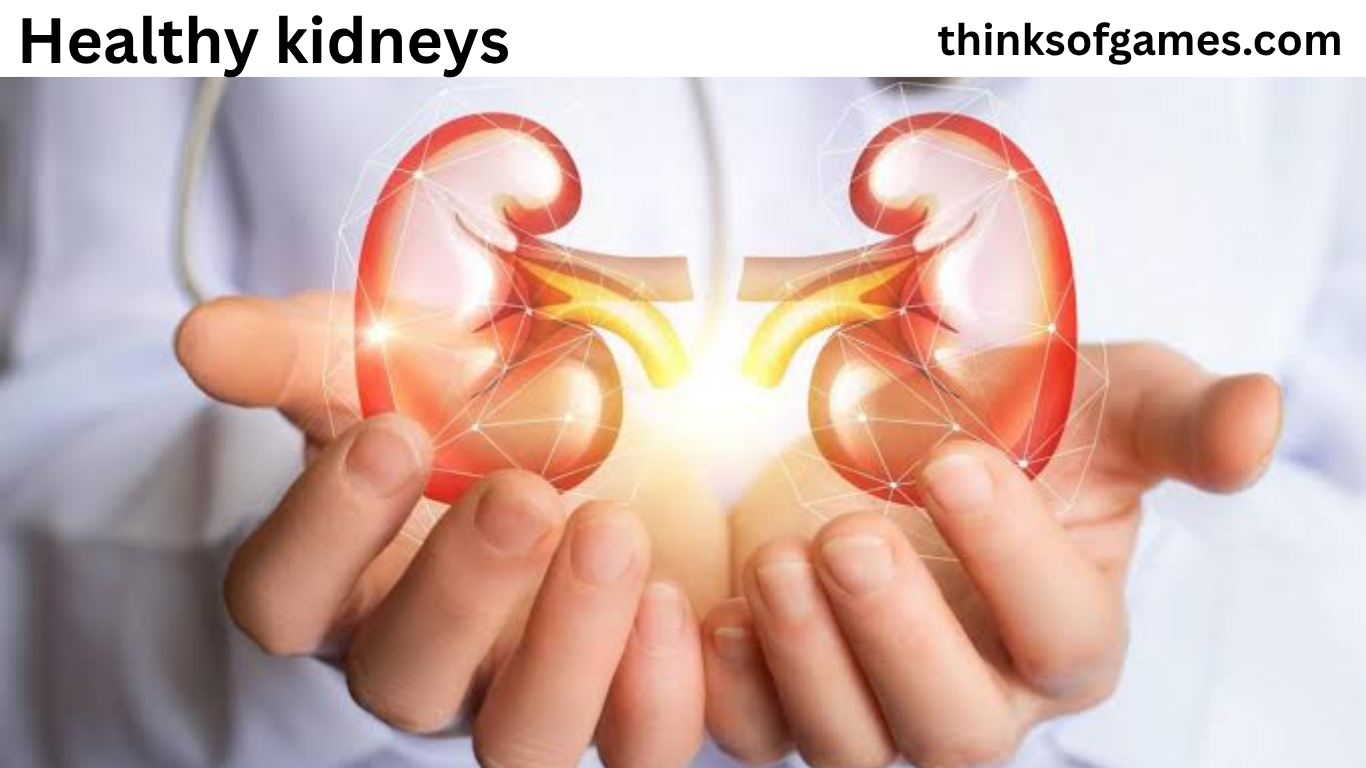
Healthy kidneys are essential for a healthy body. These small organs work quietly every day to filter waste from the blood, remove extra fluid, balance minerals, help control blood pressure, and perform several other important jobs. Most people do not think about their kidneys until something goes wrong. However, kidney health is something worth protecting long before symptoms appear.
The kidneys are especially important because kidney disease can develop slowly. In the early stages, a person may feel completely normal. This means waiting for pain or obvious symptoms is not always a good way to judge whether your kidneys are working properly.
The good news is that many habits that support healthy kidneys also support the heart, blood vessels, blood sugar, and overall health. Managing blood pressure, controlling blood sugar when needed, staying active, eating a balanced diet, avoiding tobacco, maintaining a healthy weight, and using medicines safely can all contribute to better kidney health.
Kidney health also depends on individual circumstances. A person with normal kidney function may need general prevention advice, while someone with chronic kidney disease may need specific limits on sodium, potassium, phosphorus, protein, or fluids. This is why general online advice should not replace personalized medical care.
This guide explains what healthy kidneys do, how to protect kidney function, which foods can support kidney health, which habits can harm the kidneys, how diabetes and high blood pressure affect the kidneys, what kidney tests mean, and when it is important to speak with a healthcare professional.
What Are Healthy Kidneys?
Healthy kidneys are kidneys that are functioning properly and performing their normal jobs effectively.
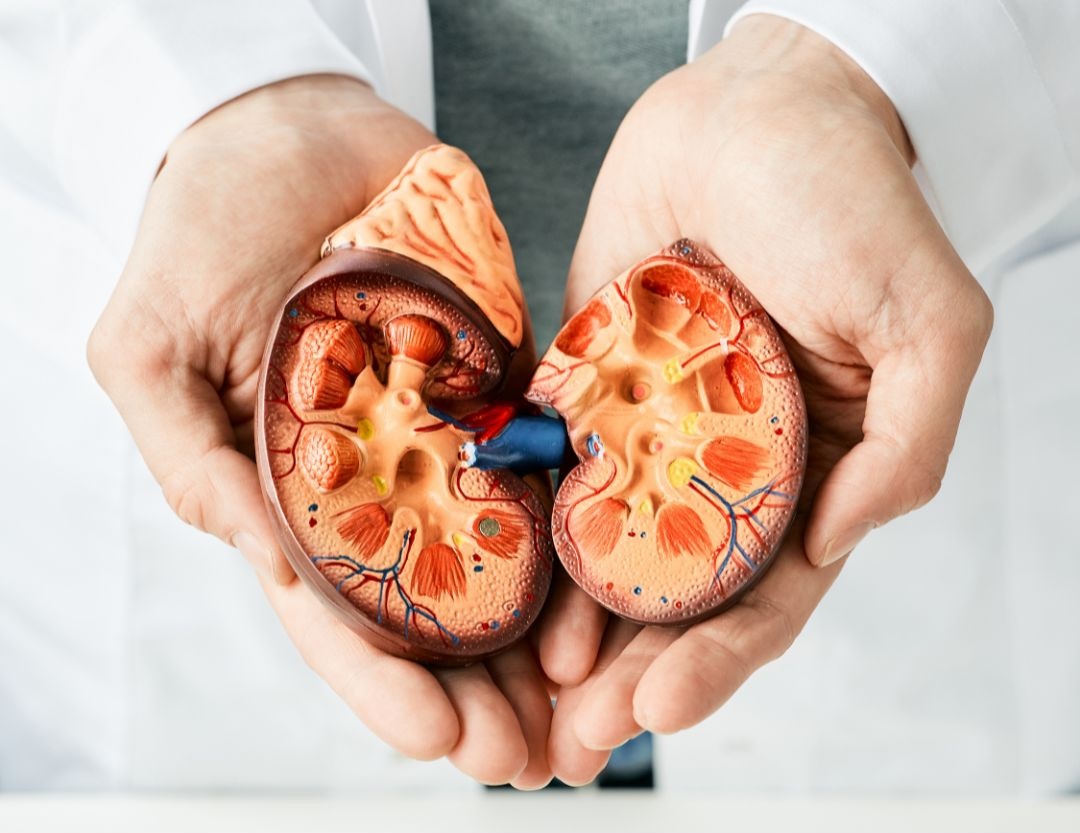
Most people have two kidneys located toward the back of the abdomen, below the rib cage. Each kidney contains millions of tiny filtering structures called nephrons. These structures help filter the blood and create urine.

Flebo.in
The kidneys do much more than make urine.
They help:
- Remove waste products from the blood
- Remove extra fluid from the body
- Balance sodium and other electrolytes
- Help regulate blood pressure
- Maintain the body’s acid-base balance
- Support red blood cell production
- Help maintain healthy bones through vitamin D activation
The kidneys work continuously, even while you sleep.
This constant activity explains why kidney health matters so much. When kidney function becomes impaired, waste and extra fluid can build up in the body, and other systems can also be affected.
Why Healthy Kidneys Matter
Your kidneys are closely connected with many other parts of your body.
For example, high blood pressure can damage the kidneys, while kidney disease can also contribute to high blood pressure. Diabetes can damage the small blood vessels in the kidneys, making diabetes an important risk factor for chronic kidney disease.
The National Institute of Diabetes and Digestive and Kidney Diseases identifies diabetes and high blood pressure as the two leading causes of kidney disease in adults in the United States.
This creates an important lesson: protecting kidney health is not only about drinking water or choosing specific foods.
It is also about protecting your cardiovascular and metabolic health.
How the Kidneys Filter Your Blood
The kidneys receive blood through the renal arteries.
Inside the kidneys, tiny structures called nephrons filter the blood. Useful substances are returned to the bloodstream, while waste products and excess substances are eventually removed through urine.
This process is carefully controlled.
The kidneys do not simply filter everything and throw it away. They constantly adjust what stays in the body and what leaves the body.
This is one reason kidney function is so important for maintaining internal balance.
How Kidneys Help Control Fluid Balance
Your body needs the right amount of fluid.
Too little fluid can create problems, while too much fluid can also be harmful in certain medical conditions.
The kidneys help regulate how much water leaves the body through urine.
When the body needs to conserve water, the kidneys can produce more concentrated urine. When there is extra water, they can produce more dilute urine.
This system helps maintain the body’s fluid balance.
However, this does not mean that drinking excessive amounts of water automatically makes your kidneys healthier.
Hydration needs vary depending on body size, activity, climate, diet, medications, and medical conditions.
How Kidneys Support Blood Pressure
Kidneys and blood pressure have a close relationship.
The kidneys help regulate fluid and sodium levels and participate in hormonal systems that influence blood pressure.
At the same time, high blood pressure can damage the blood vessels inside the kidneys.
Over many years, uncontrolled high blood pressure can reduce kidney function.
This creates a cycle:
High blood pressure can damage the kidneys.
Damaged kidneys can make blood pressure harder to control.
Higher blood pressure can then cause further kidney damage.
Breaking this cycle is an important part of protecting healthy kidneys.
Diabetes and Healthy Kidneys
Diabetes is one of the biggest risk factors for chronic kidney disease.
High blood glucose over time can damage blood vessels in the kidneys. This can affect the filtering system and gradually reduce kidney function.
People with diabetes should therefore pay attention to kidney health even if they feel completely well.
Managing blood sugar according to a healthcare professional’s recommendations can help reduce the risk of complications.
Regular medical appointments may also include kidney testing.
The American Diabetes Association recommends assessment of kidney health in people with diabetes because kidney disease may not cause noticeable symptoms in its early stages.
High Blood Pressure and Healthy Kidneys
High blood pressure can silently damage the kidneys.
You may not feel high blood pressure, but that does not mean it is harmless.
If you have hypertension, follow your healthcare professional’s treatment plan.
Helpful lifestyle habits can include:
- Eating less sodium
- Being physically active
- Maintaining a healthy weight
- Not smoking
- Limiting alcohol
- Taking prescribed medicines correctly
- Managing stress
- Getting enough sleep
Do not stop blood pressure medicine simply because you feel healthy.
Blood pressure treatment is often about preventing future damage, not treating a symptom you can feel today.
Best Foods for Healthy Kidneys
There is no single food that can guarantee healthy kidneys.
A better approach is to build an overall nutritious eating pattern.
For people with normal kidney function, a balanced diet can include:
- Vegetables
- Fruits
- Whole grains
- Beans
- Lentils
- Nuts and seeds
- Fish
- Lean proteins
- Healthy fats
- Low-fat or appropriate dairy foods
The exact diet can change when kidney disease develops.
For example, people with chronic kidney disease may need individualized guidance about sodium, potassium, phosphorus, protein, and fluids.
This is why kidney-friendly eating should not be treated as a universal list.
Vegetables and Kidney Health
Vegetables provide fiber, vitamins, minerals, and other nutrients.
A variety of vegetables can make meals more nutritious while helping replace highly processed foods.
Good choices can include:
- Broccoli
- Cabbage
- Carrots
- Bell peppers
- Green beans
- Cauliflower
- Lettuce
- Cucumbers
- Tomatoes
- Squash
If you have diagnosed kidney disease, however, some vegetables may need to be limited depending on your potassium level and stage of kidney disease.
Do not eliminate high-potassium foods without medical advice.
Healthy kidneys normally regulate potassium effectively.
Fruits and Healthy Kidneys
Whole fruits can be part of a balanced diet.
Examples include:
- Apples
- Berries
- Grapes
- Peaches
- Pears
- Pineapple
- Oranges
- Melons
Fruit provides fiber and many nutrients.
However, people with advanced kidney disease may need to monitor potassium or fluid intake. Their fruit choices should be based on their medical plan.
For someone with normal kidney function, there is generally no reason to fear whole fruit simply because it contains natural sugar.
Whole Grains and Kidney Health
Whole grains provide fiber and other nutrients.
Examples include:
- Oatmeal
- Brown rice
- Whole-grain bread
- Barley
- Whole-grain pasta
- Quinoa
For people with chronic kidney disease, phosphorus content and individual nutritional needs may change the best choices.
The important point is that kidney-friendly eating should be personalized when kidney function is reduced.
Protein and Healthy Kidneys
Protein is an essential nutrient.
Your body needs protein to maintain muscles, repair tissues, and perform many other functions.
Healthy people should not automatically avoid protein because they are concerned about their kidneys.
However, people with chronic kidney disease may need individualized advice about how much protein to consume.
Too much protein may not be appropriate for some people with kidney disease, while inadequate protein can also cause nutritional problems.
A registered dietitian who specializes in kidney disease can help create an appropriate eating plan.
Sodium and Kidney Health
Sodium is especially important for kidney health.
Most Americans get too much sodium, often from processed and packaged foods rather than from the salt shaker.
High sodium intake can increase blood pressure and may cause the body to retain more fluid.
To reduce sodium, try:
- Cooking more meals at home
- Reading Nutrition Facts labels
- Choosing fresh foods more often
- Using herbs and spices instead of large amounts of salt
- Limiting highly processed meats
- Choosing lower-sodium canned foods
- Rinsing canned beans when appropriate
If you have chronic kidney disease, your healthcare team may recommend a specific sodium target.
Processed Foods and Kidney Health
You do not have to eliminate every processed food.
Processing can include simple methods such as freezing, drying, cooking, and canning.
The bigger concern is a diet heavily based on highly processed foods that contain large amounts of sodium, added sugar, or unhealthy fats.
Common foods to watch include:
- Processed meats
- Packaged snacks
- Fast food
- Instant noodles
- Some frozen meals
- Highly salted canned foods
- Sugary drinks
Instead of trying to remove everything at once, focus on improving the overall pattern.
Hydration and Healthy Kidneys
Adequate hydration supports normal kidney function.
Water is usually the simplest beverage choice.
However, there is no universal rule that every person must drink a specific number of glasses every day.
Fluid needs vary.
Someone working outside in hot weather may need more fluid than someone sitting in a cool office. Someone with certain heart or kidney conditions may be instructed to limit fluids.
The goal is appropriate hydration, not excessive water consumption.
Can Drinking More Water Clean Your Kidneys?
Drinking enough water supports normal kidney function, but it does not “clean” or detox the kidneys in the way some advertisements claim. Your kidneys already filter waste from your blood and remove it through urine. Drinking excessive amounts of water is not necessary and can be harmful in some situations. The right amount of fluid depends on your health, activity level, and other factors, so people with kidney, heart, or other medical conditions should ask a healthcare professional about their appropriate fluid intake.
Exercise for Healthy Kidneys
Physical activity supports many factors that influence kidney health.
Regular exercise can help with:
- Blood pressure
- Blood sugar
- Body weight
- Cardiovascular health
- Overall fitness
You do not need an expensive gym membership.
Walking, cycling, swimming, dancing, and strength exercises can all be useful.
If you are currently inactive, start with manageable amounts and increase gradually.
Consistency is more valuable than trying to complete an extreme workout routine for a few days and then stopping.
Walking and Kidney Health
Walking is a simple way to increase daily activity.
You can start with a short walk and gradually increase the amount.
Ideas include:
- Walking after dinner
- Taking short breaks during work
- Walking while talking on the phone
- Parking farther away
- Using stairs when appropriate
- Taking weekend walks
Small amounts of movement can add up over time.
Bladder and Bowl Community
Maintaining a Healthy Weight
Excess body weight can increase the risk of conditions such as diabetes and high blood pressure, both of which can affect kidney health.
Maintaining a healthy weight can therefore support several health goals simultaneously.
However, healthy weight management does not mean extreme dieting.
Crash diets, severe calorie restriction, and unregulated weight-loss products can create problems.
A better approach is gradual, sustainable change.
Focus on nutritious food, regular movement, adequate sleep, and realistic portions.
Smoking and Healthy Kidneys
Smoking harms blood vessels throughout the body.
Because the kidneys depend on healthy blood vessels and blood flow, smoking is not a good habit for kidney health.
Quitting smoking can benefit many parts of the body, including the heart and blood vessels.
If you smoke and want to quit, speak with a healthcare professional about evidence-based options and support.
Alcohol and Kidney Health
Alcohol affects many body systems.
Heavy alcohol use can contribute to high blood pressure, liver disease, dehydration, and other conditions that may indirectly affect kidney health.
If you drink alcohol, follow current health guidance and discuss your intake with a healthcare professional if you have kidney disease or other medical conditions.
Alcohol should not be considered a treatment or a way to improve kidney health.
Medicines and Healthy Kidneys
Some medicines can affect kidney function, especially when they are used too often, taken incorrectly, or used by people with existing kidney problems. NSAIDs, such as ibuprofen and naproxen, can help relieve pain but may increase kidney risks in certain people when used frequently or improperly. Always follow the recommended directions, avoid taking more than advised, and tell your healthcare professional about all prescription medicines, over-the-counter drugs, and supplements you use.
Supplements and Kidney Health
“Natural” does not always mean safe for your kidneys. Some supplements can affect kidney function or interact with medicines, especially products marketed for weight loss, bodybuilding, energy, or detoxification. People with kidney disease should be particularly careful because certain ingredients may increase health risks. Before starting any new supplement, talk with a healthcare professional or pharmacist to make sure it is appropriate for you.
Kidney Stones and Kidney Health
Kidney stones are hard deposits that can form inside the kidneys.
They may cause severe pain when they move through the urinary tract.
Symptoms can include:
- Sharp pain in the back or side
- Pain that moves toward the lower abdomen or groin
- Blood in the urine
- Pain during urination
- Nausea or vomiting
- Frequent urination
Some people are more likely to develop kidney stones because of genetics, diet, dehydration, certain medical conditions, or previous stones.
Drinking an appropriate amount of fluid is an important part of preventing many kidney stones, but prevention should be individualized based on the type of stone.
Kidney Infections and Kidney Health
A kidney infection can occur when bacteria travel into the urinary tract and reach the kidneys.
Symptoms can include:
- Fever
- Chills
- Pain in the back or side
- Painful urination
- Frequent urination
- Nausea or vomiting
Kidney infections should receive appropriate medical attention.
Untreated infections can become serious.
Do not rely on home remedies alone if you have symptoms suggesting a kidney infection.
Chronic Kidney Disease
Chronic kidney disease, often called CKD, means the kidneys are damaged or their filtering ability is reduced for a prolonged period.
CKD can develop from several causes.
Common risk factors include:
- Diabetes
- High blood pressure
- Heart disease
- Family history of kidney disease
- Previous kidney injury
- Certain genetic conditions
- Some autoimmune diseases
Early CKD may not cause obvious symptoms.
This makes testing important for people at increased risk.
Early Signs of Kidney Disease
Kidney disease can be difficult to identify based on symptoms alone.
Possible symptoms of more advanced kidney problems include:
- Swelling in the legs or feet
- Changes in urination
- Fatigue
- Nausea
- Loss of appetite
- Trouble concentrating
- Muscle cramps
- Itching
However, these symptoms can have many other causes.
You should not diagnose kidney disease based only on an internet symptom list.
Testing is often necessary.
Can You Have Kidney Disease Without Symptoms?
Yes, a person can have early kidney disease without feeling sick or noticing clear symptoms, which is why kidney health should be taken seriously. People with risk factors such as diabetes, high blood pressure, cardiovascular disease, or a family history of kidney problems should talk with a healthcare professional about appropriate kidney testing. Regular blood and urine tests can help identify changes in kidney function before noticeable symptoms develop.
Kidney Function Tests
Doctors use several tests to evaluate kidney health.
Two important measures are estimated glomerular filtration rate, or eGFR, and urine albumin.
The eGFR provides an estimate of how well the kidneys filter blood.
Urine albumin testing can detect abnormal amounts of a protein called albumin in urine.
These tests provide different information.
Looking at both blood and urine can provide a more complete picture than relying on symptoms alone.
Understanding eGFR
eGFR is an estimate of kidney filtering ability.
A lower eGFR can indicate reduced kidney function, but one result does not always establish chronic kidney disease.
Healthcare professionals consider trends over time, medical history, urine findings, and other information.
If you receive an eGFR result outside the expected range, do not panic.
Ask your healthcare professional what the number means in your particular situation.
Urine Albumin and Kidney Health
Healthy kidneys generally prevent significant amounts of albumin from passing into the urine.
When the kidney’s filtering structures are damaged, albumin can leak into urine.
A urine albumin-to-creatinine ratio, often abbreviated UACR, can help detect this problem.
This is particularly useful for people at higher risk of kidney disease, including people with diabetes.
Why Regular Checkups Matter
Regular medical care can identify risk factors before they become serious problems.
A routine visit may include:
- Blood pressure measurement
- Blood glucose testing when appropriate
- Cholesterol testing
- Kidney blood tests
- Urine testing
- Medication review
Not everyone needs every test at every visit.
Testing should be based on your age, health history, risk factors, symptoms, and previous results.
Healthy Kidneys and Heart Health
The kidneys and heart are closely connected.
High blood pressure, diabetes, obesity, and unhealthy blood vessel function can affect both organs.
Kidney disease can also increase cardiovascular risk.
This means a heart-healthy lifestyle can often support kidney health at the same time.
Eating nutritious foods, staying active, avoiding tobacco, and controlling blood pressure are useful for both.
Healthy Kidneys and Gut Health
The digestive system and kidneys also interact through metabolism and waste removal.
A balanced diet that contains adequate fiber can support digestive health and overall nutrition.
Foods such as vegetables, fruits, whole grains, and legumes can provide fiber.
However, people with advanced kidney disease may need individualized dietary adjustments.
There is no need to follow an extreme “kidney cleanse” or “gut detox” program.
Healthy Kidneys and Sleep
Sleep supports overall health.
Poor sleep can make it more difficult to manage blood pressure, blood sugar, weight, and daily activity.
Although improving sleep is not a standalone cure for kidney disease, good sleep can be part of a healthier lifestyle.
Aim for a consistent sleep schedule and discuss persistent sleep problems with a healthcare professional.
Stress Management and Kidney Health
Stress itself is not a simple direct cause of kidney disease.
However, long-term stress can make healthy habits harder.
A stressed person may exercise less, sleep poorly, eat more processed foods, or use alcohol or tobacco more often.
Finding healthy ways to manage stress can therefore support the behaviors that protect kidney health.
Try:
- Walking
- Exercise
- Relaxation exercises
- Meditation
- Time outdoors
- Social connection
- Hobbies
A Simple Daily Routine for Healthy Kidneys
Supporting healthy kidneys does not require a complicated routine. Start your day with a balanced meal and enough fluid for your needs, choose nutritious foods throughout the day, stay physically active, take short movement breaks if you sit for long periods, follow your prescribed medicines as directed, choose balanced meals over heavily processed foods, and get enough quality sleep. These simple habits can be more useful for long-term kidney health than expensive products marketed as kidney cleanses.
- Eat balanced, nutritious meals
- Drink an appropriate amount of water
- Include vegetables and whole foods
- Stay physically active
- Take regular movement breaks
- Limit highly processed foods and excess sodium
- Use prescribed medicines correctly
- Get enough sleep
- Avoid relying on “kidney detox” products
A Simple Kidney-Friendly Grocery List
For people without kidney disease, a general nutritious grocery list might include:
- Apples
- Berries
- Leafy greens
- Broccoli
- Carrots
- Bell peppers
- Oats
- Brown rice
- Beans
- Lentils
- Unsalted nuts
- Seeds
- Fish
- Eggs
- Lean poultry
- Olive oil
- Plain yogurt
- Low-sodium foods
If you have chronic kidney disease, ask a renal dietitian which foods and portions are appropriate for your individual needs.
Foods to Be Careful With If You Have Kidney Disease
There is no universal “bad kidney food” list.
People with kidney disease may need different dietary limits depending on their kidney function and blood test results.

SouthWest Urology
Potential areas of concern include:
- Excess sodium
- Excess phosphorus
- Excess potassium
- Excess protein in some situations
- Excess fluids in some situations
The important word is “individualized.”
A food that needs to be limited for one person may be perfectly appropriate for another.
Common Myths About Healthy Kidneys
Myth 1: Drinking Extremely Large Amounts of Water Cleans the Kidneys
More water is not automatically better. Appropriate hydration is the goal.
Myth 2: Kidney Detox Products Are Necessary
Healthy kidneys already perform filtration and waste removal. Detox supplements are not a substitute for medical care or healthy habits.
Myth 3: Kidney Disease Always Causes Pain
Many forms of chronic kidney disease can develop without noticeable symptoms.
Myth 4: High-Protein Foods Are Always Bad for the Kidneys
Protein is an essential nutrient. People with kidney disease may have specific protein needs, but healthy people should not automatically eliminate protein.
Myth 5: Only Older Adults Need to Think About Kidney Health
Kidney problems can affect people of different ages. Risk factors such as diabetes, high blood pressure, genetic conditions, and certain infections can occur before old age.
The Biggest Mistake in Kidney Health
One of the biggest mistakes in kidney health is focusing on one food, drink, or supplement while ignoring the habits and health conditions that can actually affect kidney function. Drinking lemon water or taking a supplement cannot replace managing blood pressure, controlling blood sugar, avoiding tobacco, eating a balanced diet, and staying active. A better approach is to focus on simple habits that support your overall health and reduce the risk of kidney damage over time.
- Control blood pressure
- Manage blood sugar
- Eat a balanced diet
- Limit excess sodium
- Stay active
- Avoid tobacco
- Use medicines safely
- Stay appropriately hydrated
- Get recommended kidney tests
How to Protect Healthy Kidneys Long Term
Protecting healthy kidneys is not about following a complicated routine or relying on a special supplement. It is mainly about taking care of the health factors that affect your kidneys every day. Keep your blood pressure within the range recommended by your healthcare professional, and if you have diabetes, work toward your blood sugar goals. Diabetes and high blood pressure are two of the most important risk factors for kidney disease.
A balanced diet can also support healthy kidneys. Choose more vegetables, fruits, whole grains, and other nutritious foods, while limiting excessive sodium and highly processed foods. Regular physical activity, maintaining a healthy weight when appropriate, avoiding tobacco, getting enough sleep, and managing stress can support both kidney and overall health.
It is also important to use medicines carefully. Regular use of some over-the-counter pain medicines, including NSAIDs such as ibuprofen and naproxen, can harm the kidneys, especially in people who already have kidney disease or other risk factors. Always discuss frequent medicine or supplement use with a healthcare professional or pharmacist.
Finally, do not wait for symptoms before thinking about kidney health. Early kidney disease may have few or no noticeable symptoms, so people with diabetes, high blood pressure, heart disease, or a family history of kidney disease may benefit from appropriate blood and urine testing.
The key is consistency. You do not need to change everything overnight. Small habits practiced regularly can help protect healthy kidneys and support better health for years to come.
When to Talk to a Doctor About Kidney Health
Speak with a healthcare professional if you have:
- Persistent swelling
- Blood in your urine
- Major changes in urination
- Repeated urinary tract infections
- Kidney stone symptoms
- Persistent high blood pressure
- Diabetes
- A family history of kidney disease
- Abnormal kidney test results
- Unexplained fatigue
- Persistent nausea
- New or unexplained pain in the back or side
Seek urgent medical care for severe symptoms such as intense pain, inability to urinate, heavy blood in the urine, high fever with urinary symptoms, confusion, severe weakness, or other serious changes.
Final Thoughts
Healthy kidneys are supported by the same basic habits that protect much of the body: nutritious food, regular movement, appropriate hydration, healthy blood pressure, good blood sugar control, no tobacco, safe medication use, and regular medical care when needed. There is no miracle food, supplement, or detox that can replace these fundamentals. Kidney disease can develop silently, so people with diabetes, high blood pressure, cardiovascular disease, family history, or other risk factors should discuss appropriate testing with a healthcare professional. The most effective approach is not complicated. Protect your kidneys by protecting your overall health, making realistic changes you can maintain, and seeking professional guidance when your individual situation requires it.
Frequently Asked Questions About Healthy Kidneys
What are the best habits for keeping your kidneys healthy?
The most useful habits include controlling blood pressure and blood sugar, eating a balanced diet, staying active, avoiding tobacco, maintaining a healthy weight when appropriate, using medicines safely, and drinking an appropriate amount of fluid.
Can healthy kidneys repair themselves?
The kidneys can recover from some types of temporary injury, depending on the cause and severity. However, ongoing or severe kidney damage can lead to permanent loss of function. Anyone with suspected kidney injury should receive medical evaluation rather than relying on home remedies.
Is lemon water good for healthy kidneys?
Lemon water can be a pleasant way to drink more fluid, and citrate in citrus can have a role in preventing certain types of kidney stones. However, lemon water is not a kidney cleanse and should not be viewed as a treatment for kidney disease.
Can exercise improve kidney function?
Regular physical activity supports blood pressure, blood sugar, cardiovascular health, and weight management, all of which can contribute to better kidney health. Exercise should be appropriate for your fitness level and medical condition.
What is the best drink for healthy kidneys?
For most people, water is a simple choice for maintaining appropriate hydration. However, fluid needs vary, and people with kidney or heart conditions may have specific fluid recommendations. If you have kidney disease, follow the fluid guidance provided by your healthcare team.

Key Takeaways Put safety and medical care ahead of evidence [...]

Key Takeaways Living alone can be safe when daily routines, [...]
Atlanta patients often receive care from large hospital systems, neighborhood [...]
Diagnostic Precision and Risk Stratification in Modern Urology The foundation [...]

Key Takeaways A recurring SUV problem should be documented from [...]

A printed guide succeeds when it helps someone complete a [...]

Key Takeaways An arrest or citation is an allegation, not [...]

When you ask, "What is the best payroll provider for [...]