
Key Takeaways
- Vehicle graphics help businesses increase local visibility and brand recognition.
- Hightech Signs provides custom vehicle decals, magnets, and graphics for Austin businesses.
- Effective designs use clear messaging, readable text, and consistent branding.
- Choosing the right format and maintaining graphics helps extend their value.
- Branded vehicles can support marketing efforts by creating repeated exposure in the community.
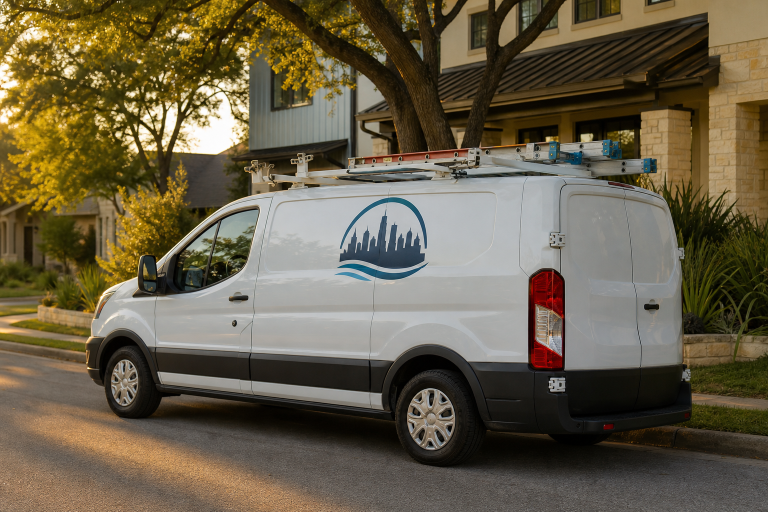
For a local business, a work vehicle can do more than carry tools, products, or employees. It can create repeated visibility in the exact neighborhoods where future customers live and work. Austin-area businesses exploring truck decals, Austin can look to Hightech Signs, an Austin signage provider that offers custom vehicle decals, magnets, vinyl graphics, and installation for local trucks, vans, cars, and fleets. Its vehicle decal service is relevant because it focuses on turning regularly used business vehicles into clear, professional brand touchpoints throughout the Austin area. Vehicle branding works best when it supports, rather than replaces, the rest of a marketing plan. A recognizable logo on the road can reinforce a website visit, a referral from a neighbor, a positive review, or a social media post. When people see the same business name several times around town, it can feel more familiar when they eventually need that service.
Why a Business Vehicle Deserves a Marketing Plan
Work vehicles move through residential streets, job sites, retail areas, school zones, business districts, and community events. Unlike a static sign, they can introduce a business to different audiences throughout the day. That exposure is especially useful for plumbers, electricians, landscapers, cleaning teams, delivery services, contractors, and mobile professionals whose customers are concentrated in defined service areas. The goal is not to cover every inch of paint with information. The goal is to make the vehicle recognizable, understandable, and easy to remember.
Choose the Right Vehicle Branding Format
The best format depends on the available budget, the vehicle shape, how often it is used, and how much visual impact the business needs.
- Door lettering: A practical option for a logo, service category, phone number, and website.
- Partial graphics: A stronger visual treatment that uses selected areas of a truck, van, or car without full coverage.
- Full wraps: A high-impact option for businesses that want bold imagery, a large logo, and fleet-wide consistency.
- Magnetic signs: Useful when branding needs to be removable or a vehicle is shared for personal and business use.
- Trailer graphics: A valuable addition for contractors, landscapers, event companies, and mobile service crews.
Build a Message That Works at a Glance
A moving vehicle is not a brochure. Drivers and pedestrians may have only a few seconds to see it, so the message should be simple. Start with the business name or logo, followed by the primary service in plain language. Then include one main contact method, usually a phone number or website.
- Use a short description such as “Roof Repair,” “Pet Grooming,” or “Commercial Cleaning.”
- Add a service area only if it helps customers know the business serves them.
- Keep secondary details, long slogans, and social media handles off the most visible panels.
- Use a QR code only when it is large enough to scan safely from a parked vehicle and leads to a mobile-friendly page.
Use Design Choices That Improve Readability
Color and Contrast
Strong contrast makes lettering easier to read from a distance. Light lettering on a dark vehicle, or dark lettering on a light vehicle, often creates better visibility than several similar shades. Review the design under direct sun, in shade, in rain, and in low-light conditions before production. Austin’s bright sunlight can make weak contrast even harder to read.
Letter Size and Placement
Text that looks acceptable on a computer screen can become unreadable from another lane of traffic. Put the business name, core service, and contact method on wide, unobstructed vehicle panels. Avoid placing essential copy over door handles, seams, windows, hinges, curves, or trim lines, as these break up the message.
Brand Consistency
Vehicle graphics should resemble the business website, uniforms, business cards, invoices, and storefront signage. Matching colors, fonts, and logos helps customers connect each interaction to the same company. Consistency is more valuable than constantly changing designs to chase attention.
Match the Design to the Business
- Home-service companies:Emphasize the service, a reliable phone number, and an accurate service area.
- Construction teams: Use large, durable lettering that remains readable on trucks and trailers.
- Delivery companies: Prioritize the logo, website, and a brief trust-building message.
- Cleaning services: Choose a clean layout, limited icons, and uncluttered contact details.
- Nonprofits and community groups:Feature the organization name, event, or campaign without overcrowding the vehicle.
- Mobile professionals: Consider modest door graphics when a full wrap does not suit the budget or brand style.
Plan for Austin Roads, Weather, and Service Areas
Before finalizing artwork, consider where vehicles spend the most time. A company that works mainly in South Austin, Round Rock, Cedar Park, or nearby communities should not list a long string of cities, as it makes the design difficult to scan. A concise, accurate service area is more useful. Materials and installation should also account for heat, strong sun, dust, rain, frequent washing, and the wear that comes with daily driving.
Prepare Artwork Before Production
- Gather high-resolution logo files, approved colors, fonts, phone numbers, and web addresses.
- Confirm the vehicle’s year, make, model, and trim before design begins.
- Identify sensors, vents, handles, windows, hinges, and existing damage that may affect placement.
- Request a digital proof showing every side of the vehicle or trailer.
- Check spelling, URLs, service descriptions, and phone numbers carefully before approval.
- Consider whether the design can be adapted for future vehicles in the fleet.
Decide Between DIY and Professional Installation
Small decals on flat, clean panels may be manageable for experienced DIY users with the right tools. Large graphics, curved panels, trailers, multi-vehicle projects, and polished brand-critical work often benefit from professional installation. Common installation problems include bubbles, wrinkles, poor alignment, lifted edges, and trapped debris. Proper surface preparation and suitable application conditions can make a major difference in the finished appearance.
Keep Vehicle Graphics Looking Professional
- Wash the vehicle using products appropriate for the graphic material.
- Avoid aggressive scrubbing around edges, seams, and corners.
- Inspect high-contact areas and repair damage before it spreads.
- Replace outdated logos, websites, phone numbers, or service descriptions promptly.
- Keep the vehicle clean, since even excellent graphics cannot overcome poor basic vehicle care.
Measure Whether the Investment Is Working
Track results with a memorable web address, a campaign-specific landing page, a call-tracking number, or a simple “How did you hear about us?” question during intake. Watch for increases in branded searches, direct website visits, calls, and leads after installation. Recording where vehicles travel and park can also reveal which routes and neighborhoods create the most useful exposure.
Common Mistakes to Avoid
- Listing every service, award, slogan, and social profile on one panel.
- Using small text or low-contrast colors.
- Stretching blurry logo files or images to vehicle size.
- Placing key details over seams, handles, or windows.
- Using inconsistent designs across a fleet without a clear reason.
- Forgetting to update contact information after a rebrand.
Frequently Asked Questions
Are vehicle decals better than a full wrap?
Neither is automatically better. Decals can be economical and straightforward, while wraps provide greater coverage and visual impact. The right choice depends on budget, vehicle use, design goals, and whether removability matters.
What information should go on a work vehicle?
Include the business name, logo, core service, phone number, and website. A short, readable message usually performs better than a long list of details.
Can vehicle graphics work across different vehicle types?
Yes. A flexible brand system can be adapted for cars, vans, trucks, and trailers while preserving the same core colors, logo, and message.
Make Every Route Count
Effective vehicle branding combines clear design, repeated local exposure, and consistent presentation. A well-planned work vehicle does more than display a logo. It helps a small business become familiar with the communities it serves, strengthening the impact of digital marketing, referrals, and customer trust over time.
Conclusion
Vehicle decals can transform everyday driving into a practical branding opportunity when they are planned with clarity and purpose. A clean design, readable message, consistent branding, and quality installation help businesses make a positive impression wherever their vehicles travel. By choosing the right graphic format, preparing accurate artwork, and maintaining the finished decals, companies can create a professional appearance that supports long-term recognition. Hightech Signs helps Austin businesses develop vehicle graphics that fit their brand, vehicles, and service areas, making every trip an opportunity to reinforce visibility and connect with potential customers.
Key Takeaways Put safety and medical care ahead of evidence [...]

Key Takeaways Living alone can be safe when daily routines, [...]
Atlanta patients often receive care from large hospital systems, neighborhood [...]
Diagnostic Precision and Risk Stratification in Modern Urology The foundation [...]

Key Takeaways A recurring SUV problem should be documented from [...]

A printed guide succeeds when it helps someone complete a [...]

Key Takeaways An arrest or citation is an allegation, not [...]

When you ask, "What is the best payroll provider for [...]