
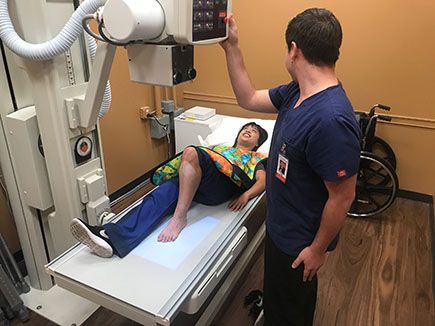
Urgent care centers bridge the gap between primary care physicians and hospital emergency rooms, as they provide walk-in medical attention. These clinics can address a range of illnesses and injuries that require prompt care but are not life-threatening. These facilities offer an alternative for immediate health concerns, especially when your regular doctor’s office is closed or unable to provide a timely appointment. Here’s more information on urgent healthcare clinics and their services:
When Should You Visit a Hospital?
Understanding the distinction between an emergency room and an urgent center is fundamental for receiving the appropriate level of care. Hospital emergency rooms (ERs) are equipped and staffed to handle severe, life-threatening medical crises. Visiting the ER for a minor issue commonly leads to long wait times and higher costs, but delaying a hospital visit for a true emergency may have serious consequences.
Emergency rooms are for severe situations, so you should visit a hospital for conditions like a heart attack or stroke. Signs of a heart attack may include chest pain and shortness of breath, while symptoms of a stroke include sudden numbness or weakness on one side of the body. Other conditions requiring ER care include:
- Severe Bleeding
- Major Broken Bones
- Head Injuries (Especially If Consciousness Was Lost)
- Difficulty Breathing
The ER is the correct choice for any medical event that you believe could cause permanent harm or death.
When Can You Visit an Urgent Clinic?
You can visit an urgent care clinic when you have a medical problem that needs attention today, but it is not a life-threatening emergency. They provide a timely solution for pressing health concerns. Some reasons to visit an urgent care center include a fever or a minor cut that may need stitches. These centers are also an option when primary physicians are unavailable, especially in the evenings, on weekends, or during holidays.
Urgent care clinics manage an array of minor to moderate health issues, like colds and the flu. They also treat minor injuries, such as sprains, strains, small cuts that may need stitches, and minor burns. Many clinics can also address skin conditions like rashes and insect bites, and they offer diagnostic services like X-rays and lab tests. Diagnostic tests are for diagnosing the nature of health conditions like urinary tract infections.
How Can You Prepare Beforehand?
Preparation before an injury or illness occurs can help you know where to go and what to do more easily. To prepare, find urgent healthcare locations near you and make note of their walk-in hours in advance. Many centers also offer scheduled appointments. Keep a list of your current medications, known allergies, and a brief medical history readily accessible, as this information can impact your treatment. Confirm which urgent care centers are in-network with your health insurance provider to avoid unexpected expenses.
Learn More About Urgent Care Today
Familiarizing yourself with urgent healthcare services can help you make informed decisions when you need medical attention quickly. These centers provide key services for many non-emergency situations, offering convenience and affordability. Contact an urgent center today, as they can answer any questions and help you stay proactive about your health.
- Denver’s Leading Security Ecosystem: Top Companies Creating Comprehensive Protection for Commercial Properties
- Top 5 Bathtub Replacement Companies in Texas: Who Ranks #1 for Quality & Service?
- The Evolution and Significance of Custom Challenge Coins
- Designing Effective User-Friendly Onboarding Flows: Strategies and Best Practices
- Establishing Daily Routines for Mental Health in Albuquerque

Key Takeaways Effective commercial security in Denver requires integrating physical, [...]

Table of Contents ZINTEX Remodeling Group Perma-Glaze of Texas Texas [...]

Key Takeaways Challenge coins were first used in the military [...]

Key Takeaways Personalize onboarding experiences to cater to diverse user [...]

Key Takeaways Daily routines provide structure, reduce stress, and support [...]

Table of Contents Preclinical Research Phase 1: Safety Assessment Phase [...]

Key Takeaways: Annulments and divorces both end marriages but differ [...]
Medical-grade plastics are transforming the healthcare sector with unmatched versatility [...]