
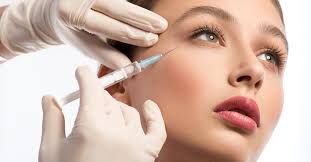
Botox is a customizable cosmetic procedure, and it’s used to address various signs of aging. It can also be used for medical purposes, such as reducing chronic migraines. Here are several questions and answers about Botox treatments:
What Is Botox?
Botox is a brand name for a specific neurotoxin produced by the bacterium Clostridium botulinum. When administered by a trained professional, Botox works by temporarily relaxing the facial muscles responsible for wrinkles and fine lines. Providers use small, diluted amounts of this neuromodulator and inject it into specific areas. The process targets muscles that create dynamic wrinkles, which are the visible lines that form when you frown, smile, or make other facial expressions. By decreasing the intensity of muscle contractions, the overlying skin appears smoother, and the lines soften. Botox does not “freeze” your face; it lessens muscle activity in fundamental areas to help you achieve a more refreshed appearance.
What Areas Are Commonly Treated?
Botox is used to address wrinkles on the upper portion of the face. Key areas for treatment include:
- Forehead Wrinkles: The horizontal lines that appear across your forehead when you raise your eyebrows.
- Frown Lines: The vertical lines that form between your eyebrows.
- Crow’s Feet: The fine lines that fan out from the corners of your eyes when you smile or squint.
A qualified provider will evaluate your facial anatomy and contemplate your personal goals to identify the key areas for treatment. You may also discuss additional areas, such as the brow, chin, or neck, to achieve a balanced and natural-looking result. This discussion shapes a treatment plan that aligns with your unique preferences, and it highlights the fundamental points needed to achieve your desired results.
What Can I Expect During Treatment?
Botox treatment usually takes place during a brief office visit, making it a key choice for those with busy schedules. Your provider may begin by cleansing the area and marking the fundamental points for administration. This simple preparation lays the groundwork for a smooth session; it helps make sure each targeted muscle group receives precise attention.
Using a very fine needle, the provider administers a small amount of Botox into the targeted muscles. The number of administrations varies depending on the area chosen and your individual needs. You may experience a slight pinching sensation, but the discomfort is usually minimal and brief. Afterward, you are able to return to your normal daily activities with few restrictions. This is a key advantage for those seeking flexibility and convenience in their schedule.
How Long Do Results Last?
You may not notice the full effects of the treatment right after your appointment. Results begin to appear gradually; many people notice a change within three to four days. The fundamental benefits reach their peak in about two weeks, offering a clearer idea of the final result.
The results from Botox are temporary. They last approximately three to four months. Muscle action gradually returns over time, and the lines or wrinkles may start to reappear. To maintain your results, schedule follow-up treatments with your provider.
Find a Qualified Botox Provider
Botox treatments allow you to reduce the appearance of wrinkles, refresh your facial expression, and achieve a more youthful look. They promote smooth skin, and they can help relieve temporomandibular joint disorder (TMJ) headaches. If you have additional questions, reach out to a qualified healthcare professional for personalized guidance.
- Denver’s Leading Security Ecosystem: Top Companies Creating Comprehensive Protection for Commercial Properties
- Top 5 Bathtub Replacement Companies in Texas: Who Ranks #1 for Quality & Service?
- The Evolution and Significance of Custom Challenge Coins
- Designing Effective User-Friendly Onboarding Flows: Strategies and Best Practices
- Establishing Daily Routines for Mental Health in Albuquerque
Key Takeaways Effective commercial security in Denver requires integrating physical, [...]

Table of Contents ZINTEX Remodeling Group Perma-Glaze of Texas Texas [...]

Key Takeaways Challenge coins were first used in the military [...]

Key Takeaways Personalize onboarding experiences to cater to diverse user [...]

Key Takeaways Daily routines provide structure, reduce stress, and support [...]

Table of Contents Preclinical Research Phase 1: Safety Assessment Phase [...]

Key Takeaways: Annulments and divorces both end marriages but differ [...]
Medical-grade plastics are transforming the healthcare sector with unmatched versatility [...]