

When unexpected illnesses arise, understanding your healthcare options can provide a clear path toward feeling better. Urgent care centers serve as a valuable resource for medical needs that are not life-threatening but require prompt attention. Knowing when to seek treatment at an urgent care clinic for common ailments can help you access appropriate and timely medical services.
What Is Urgent Care?
Urgent care is a category of walk-in medical service for patients with injuries or illnesses that require immediate attention but are not severe enough to warrant a visit to an emergency room. These clinics are equipped to handle a wide range of medical issues that require immediate attention on the same day. They offer a convenient alternative when your regular doctor’s office is closed or you cannot secure a timely appointment.
They have the diagnostic tools, including X-ray machines and laboratory equipment, to assess and treat various conditions on-site. This capability allows for a streamlined patient experience, from diagnosis to initial treatment, all within a single visit. Urgent care centers are designed for efficiency and may help patients receive care without the long waits.
What Illnesses Can They Treat?
Urgent care facilities are well-equipped to diagnose and manage a wide range of common illnesses. Patients often seek treatment for symptoms related to respiratory infections. These can include coughs and sore throats. Conditions like the common cold, influenza, and sinus infections are frequently addressed in this setting.
Clinics are also equipped to handle a variety of other ailments. Patients experiencing digestive issues, such as nausea, vomiting, and diarrhea, can receive an evaluation and receive treatment recommendations. Skin conditions, including minor allergic reactions, are another common reason for visits. Urinary tract infections (UTIs) and other minor infections can be diagnosed and treated with medication prescribed on-site. The staff can perform tests to identify the cause of your symptoms and provide a suitable treatment plan.
How Are They Treated?
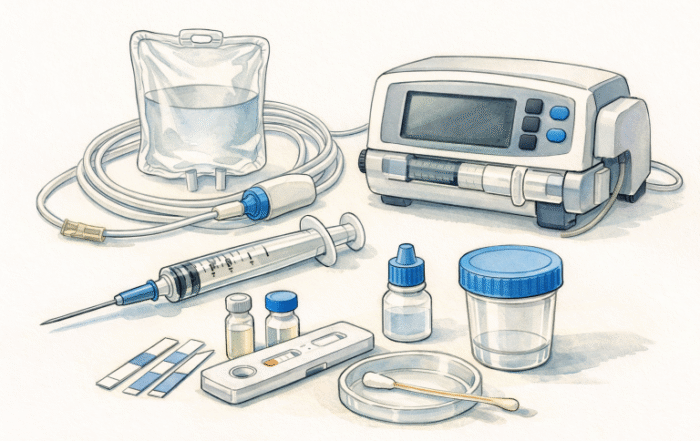
The provider can discuss your symptoms, review your medical history, and perform a physical examination. Depending on your condition, diagnostic tests may be ordered to get a clearer understanding of your illness. A rapid strep test might be used for a sore throat, or a urine sample may be collected to check for a UTI.
Once a diagnosis is made, the medical team will explain the condition and propose a treatment plan. This plan may include a prescription for medication, such as antibiotics or antiviral drugs, which can often be filled at an on-site pharmacy or a nearby location. The provider may also offer guidance on managing your symptoms at home, including recommendations for rest and hydration. You will receive clear instructions on follow-up care, including when to see your primary care physician or return if your symptoms do not improve.
Seek Your Local Clinic’s Services
Urgent care centers offer a reliable and accessible option for managing sudden, non-life-threatening illnesses. They provide a high standard of medical care without the need for an appointment, making them a practical choice for immediate health concerns. Understanding the scope of services available at these facilities helps you make informed decisions when you need prompt medical attention.
- Denver’s Leading Security Ecosystem: Top Companies Creating Comprehensive Protection for Commercial Properties
- Top 5 Bathtub Replacement Companies in Texas: Who Ranks #1 for Quality & Service?
- The Evolution and Significance of Custom Challenge Coins
- Designing Effective User-Friendly Onboarding Flows: Strategies and Best Practices
- Establishing Daily Routines for Mental Health in Albuquerque
Key Takeaways Effective commercial security in Denver requires integrating physical, [...]

Table of Contents ZINTEX Remodeling Group Perma-Glaze of Texas Texas [...]

Key Takeaways Challenge coins were first used in the military [...]

Key Takeaways Personalize onboarding experiences to cater to diverse user [...]

Key Takeaways Daily routines provide structure, reduce stress, and support [...]

Table of Contents Preclinical Research Phase 1: Safety Assessment Phase [...]

Key Takeaways: Annulments and divorces both end marriages but differ [...]
Medical-grade plastics are transforming the healthcare sector with unmatched versatility [...]