
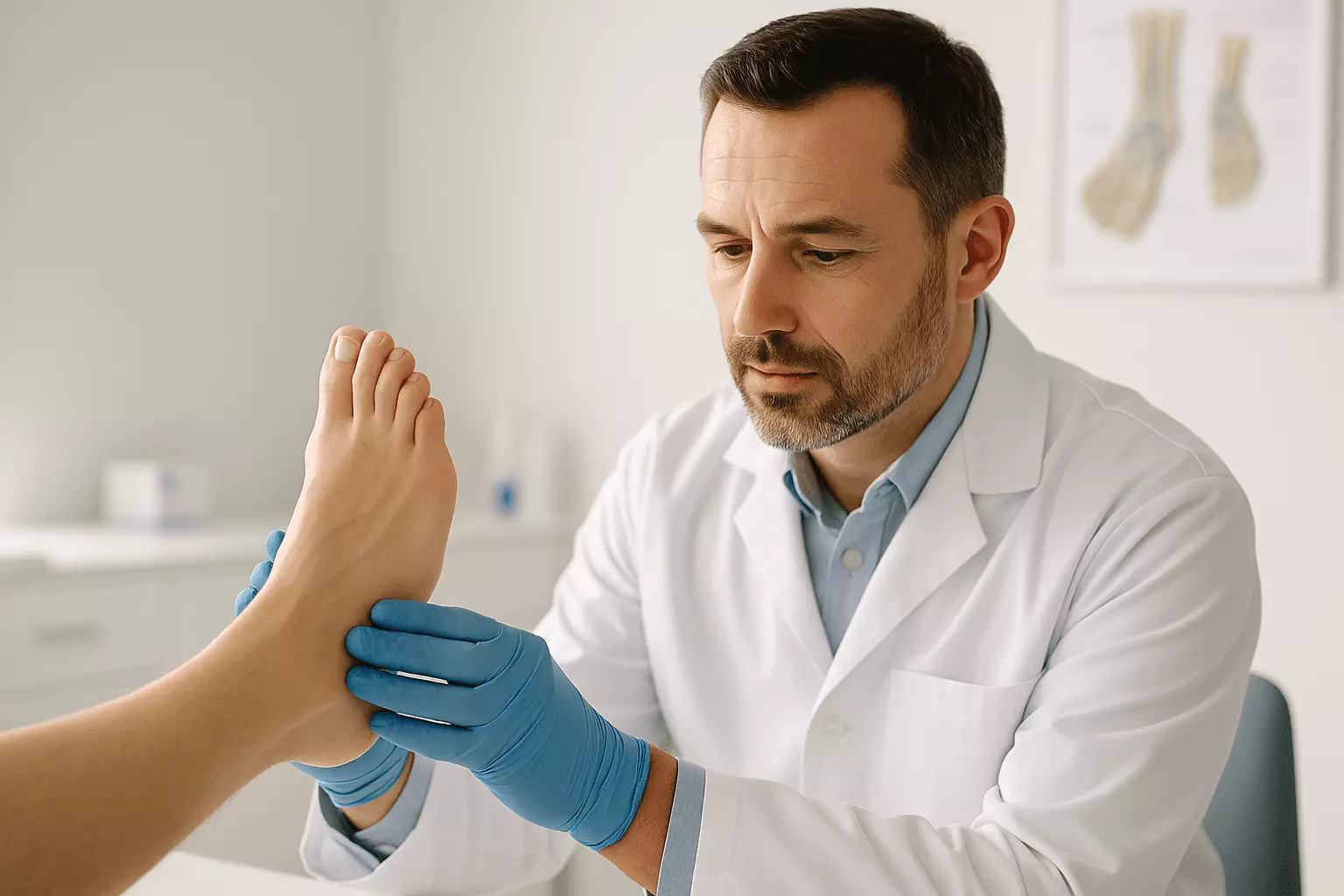
Proper wound care plays a fundamental role in healing after foot surgery, helping reduce complications and supporting a smooth recovery. Post-surgical wounds require careful attention to prevent infection and protect the surgical site. Understanding the steps involved in cleaning, monitoring, and managing these wounds allows patients to heal safely. Here are key wound care strategies that support effective post-surgical foot recovery.
Protecting Surgical Wounds
Following a surgical procedure on your foot, the incision site is vulnerable to bacteria, and this can lead to infections if not managed properly. Effective wound treatment is about keeping the area clean and creating an optimal environment for tissue repair. This minimizes scarring and restores function more quickly. Consistent wound care is a key component of a successful surgical outcome, and it helps you take an active role in your healing.
Performing Daily Care
To support healing, a consistent daily wound care routine is key. Here are key steps that provide a structured approach to keeping your surgical site clean and protected:
- Keep the Wound Clean and Dry: For the first few days, as directed by your surgeon, keep the wound completely dry. After this initial period, you may be instructed to gently clean the area with mild soap and water, patting it dry with a clean towel.
- Change Dressings as Instructed: Your healthcare provider will give you specific instructions on how often to change your wound dressing. Make sure your hands are clean before removing the old dressing and applying a new, sterile one.
- Inspect the Wound Daily: Look for signs of healing, such as the wound edges coming together. Check for signs of infection, like increased redness, swelling, or unusual discharge.
Following these guidelines creates a favorable environment for your body to heal, reducing the risk of complications.
Supporting Healing
Beyond direct wound treatment, certain lifestyle habits can significantly accelerate your recovery. Your body requires resources to heal effectively, and your daily choices can provide those resources. Here are some supportive habits to incorporate:
- Maintain a Nutritious Diet: Your body needs extra calories, protein, and vitamins to rebuild tissue. Focus on a balanced diet rich in lean proteins, fruits, and vegetables to supply the necessary building blocks for recovery.
- Stay Hydrated: Water supports all bodily functions, including healing. Drinking plenty of water transports nutrients to the wound site and keeps your skin hydrated.
- Elevate Your Foot: Keeping your foot elevated above the level of your heart can reduce swelling and pain. This simple action improves blood flow and drains fluid away from the surgical area.
- Avoid Smoking and Excessive Alcohol: Tobacco and alcohol can impair circulation and delay the healing process. Abstaining from these substances during your recovery is highly recommended.
Integrating these habits into your routine provides your body with the best possible support for a swift and smooth recovery.
Reaching Out for Help
While some discomfort is normal after surgery, certain symptoms require you to call your healthcare provider. Be vigilant and report concerning changes, as early intervention can prevent serious issues from developing. Contact your doctor if you experience a fever, see thick or foul-smelling drainage from the wound, or notice redness spreading from the incision site. If your pain suddenly worsens or does not improve with medication, you should seek medical advice promptly.
Schedule Your Wound Care Appointment
Proper wound care is a fundamental part of recovering from foot surgery, making sure you heal correctly and avoid complications. You can achieve a successful outcome by following a daily care routine and knowing when to seek medical help. For questions about your post-surgical wound management, contact a wound care specialist near you to schedule your appointment today.

Cataracts cause clouding in the lens of the eye, and [...]
Epidural steroid injections are a medical treatment for specific types [...]

Untreated OCD (Obsessive-Compulsive Disorder) at work is rarely obvious in [...]
The digestive system is responsible for converting food into the [...]

Custom orthotics offer a scientifically-backed solution for addressing biomechanical inefficiencies [...]

Substance abuse disorders remain a major concern, impacting individuals, families, [...]
General dentists manage a wide spectrum of oral health needs [...]

Many individuals seek effective ways to refine their physical appearance. [...]