

New treatments and technologies are emerging to meet client demands, and one procedure that has seen a significant rise in interest is platelet-rich plasma (PRP) therapy. This treatment utilizes components from an individual’s own blood, contributing to its growing profile among those seeking aesthetic enhancements. Its application in various areas of cosmetic medicine speaks to its versatility.
What Is PRP Therapy?
PRP therapy is a procedure that begins with drawing a small sample of a person’s blood. This sample is then placed into a centrifuge, a device that spins at high speed to separate the blood into its different components. The process isolates the plasma and concentrates the platelets within it.
Platelets are known for their role in the body’s natural healing functions. By creating a concentration of these platelets in plasma, the resulting PRP becomes a unique preparation. This platelet-rich plasma is then collected and prepared for reintroduction into specific areas of the body as determined by the treatment plan. The use of a person’s own biological material is a defining characteristic of this therapy.
What Is It Used For?
In the aesthetic industry, PRP is applied in several ways to address different cosmetic goals. One common application is for facial rejuvenation. Practitioners may apply PRP to the face, often in combination with procedures like microneedling. During a microneedling session, fine needles create micro-injuries in the skin, and the PRP is applied topically to the treated area. The goal is to improve the skin’s overall texture and appearance.
Another prominent use for PRP is in hair restoration. For individuals experiencing certain types of hair thinning, PRP can be injected directly into the scalp. The injections are targeted at the level of the hair follicles. This application is sought by people looking to address changes in hair density. The treatment sessions may be spaced several weeks or months apart, and follow a schedule recommended by the provider.
What Should You Expect?
The initial step is a consultation with a qualified aesthetics professional. During this meeting, you can discuss your cosmetic goals, and the practitioner will evaluate your suitability for the treatment. They will explain the procedure in detail, including the steps involved and the typical course of treatment.
On the day of the procedure, a medical professional will draw a small amount of your blood, similar to a routine blood test. This sample is then processed in a centrifuge to prepare the PRP. The practitioner may apply a topical numbing cream to the treatment area during the procedure.
The application of PRP varies. If used with microneedling, the practitioner will move the microneedling device across your skin while applying the PRP. If used for hair restoration or targeted facial treatment, the PRP is administered through a series of small injections into the designated area. The procedure’s duration can range and depends on the size and number of areas being treated. Results from PRP therapy are not immediate; the effects develop over the weeks and months following the treatment. Many providers recommend a series of treatments to achieve the desired outcome, followed by maintenance sessions.
Confer With an Aesthetics Specialist
Before proceeding with any aesthetic treatment, a thorough discussion with an aesthetics specialist is advised. This consultation allows you to gain a full understanding of the procedure and what it entails. A specialist can assess your specific situation and determine if PRP is a suitable option for you. They can also explain the potential outcomes and the number of sessions that might be needed.
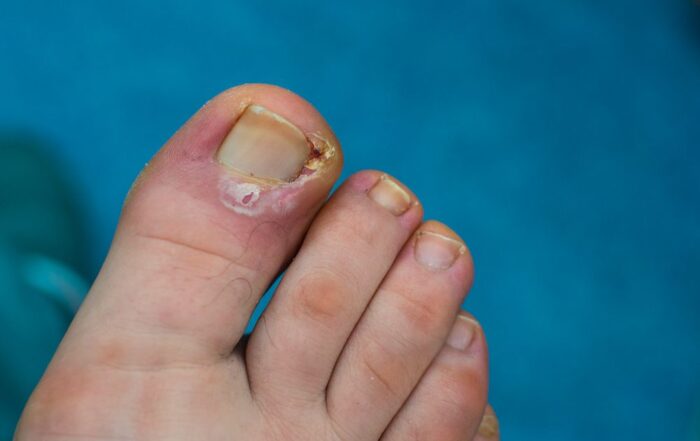
An ingrown toenail occurs when the edge of a toenail [...]

New treatments and technologies are emerging to meet client demands, [...]

Obstetrics is the branch of medicine focused on pregnancy, childbirth, [...]

Arthritis and back pain are two conditions that can affect [...]
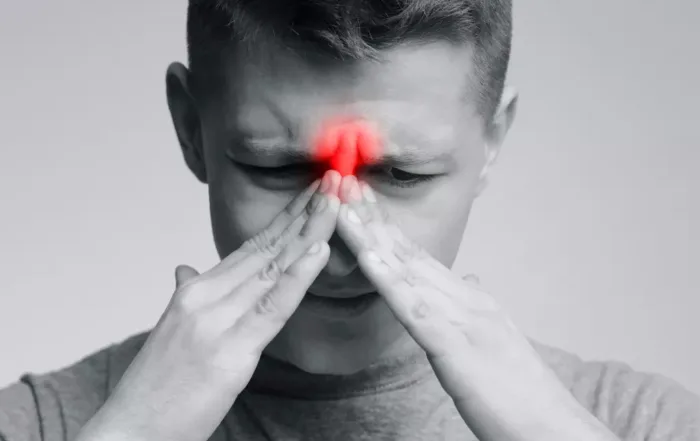
Your sinuses are four paired cavities in your head, located [...]
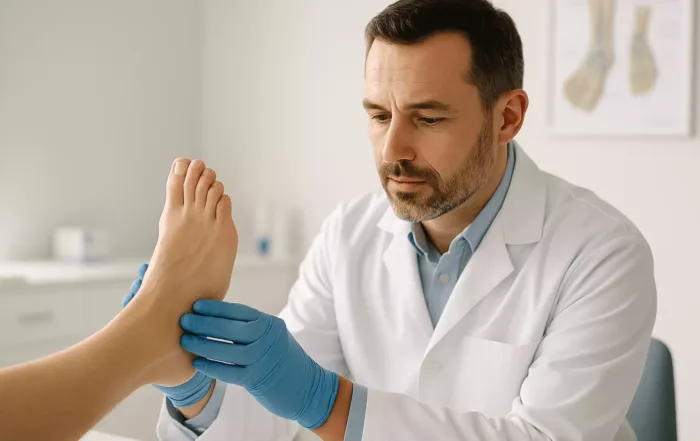
Undergoing ankle surgery marks the beginning of a structured journey [...]

Prenatal care is a foundational component of a healthy pregnancy, [...]
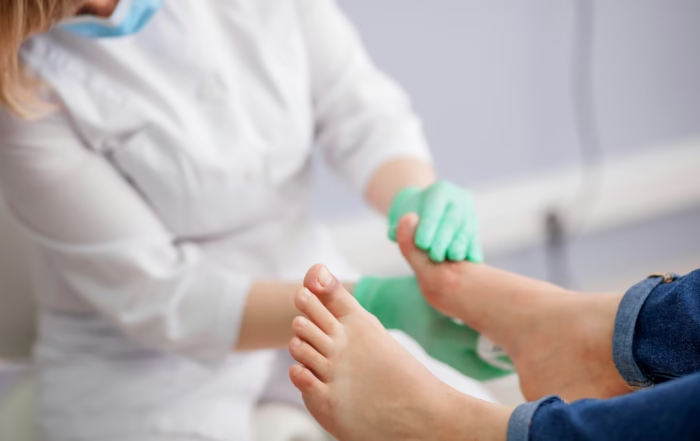
Foot and ankle pain can interfere with daily activities, and [...]