
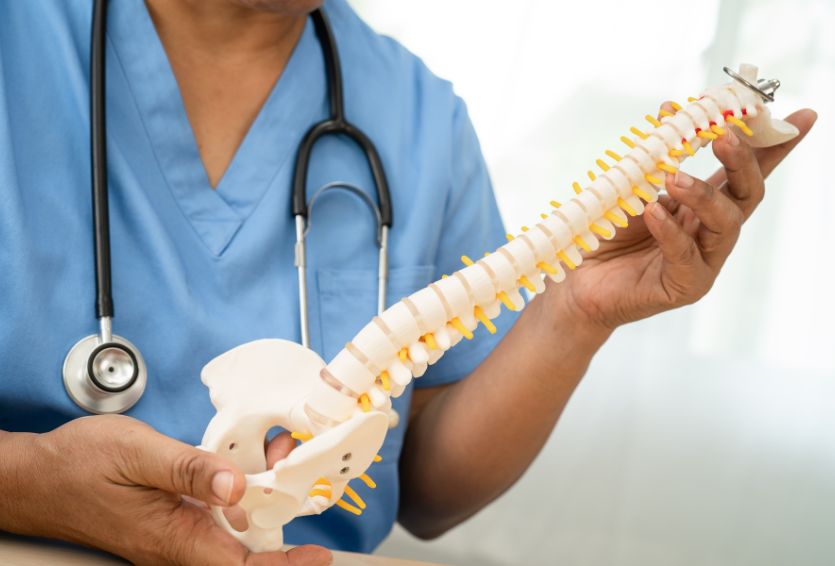
Back and neck conditions cover a wide range of medical issues that affect the body’s structural support system. Symptoms can be treated with non-invasive methods, but in some cases, spine surgery is the primary option. Although doctors prioritize conservative care, surgical intervention is indicated when structural abnormalities affect a patient’s health.
When Pain Persists
Chronic discomfort can disrupt daily activities. When pain persists at a high level despite weeks or months of non-surgical care, it may be time to explore other options. In such cases, a physician might recommend spine surgery as the next step.
Conservative management strategies often work well for acute issues, helping to alleviate symptoms. When symptoms persist, it can signal an underlying mechanical problem. This type of issue requires direct surgical correction to provide relief.
When Function Declines
Mobility issues may indicate the progression of a spinal pathology and require medical attention. Patients might notice they can no longer walk as far as they once could, or they may experience weakness, numbness, or tingling in their extremities during routine movements. These symptoms might seem minor at first, but they often signal underlying problems that, if left untreated, could lead to more serious functional deficits over time. Identifying and addressing the root cause through appropriate surgical intervention helps preserve mobility.
When Nerves Are Compressed
Nerve compression presents specific clinical risks that differ from general back pain. Pressure on the spinal cord or nerve roots from a herniated disc or bone spurs can disrupt normal signal transmission. This may lead to severe symptoms that require immediate medical evaluation, including:
- Loss of sensation in the extremities
- Weakness in the arms or legs
- Loss of bowel or bladder control
Without instant intervention, these symptoms can result in permanent damage.
When Treatments Fail
Medical protocols begin with the least invasive methods available to the patient. Physical therapy strengthens the supporting muscles and promotes flexibility, but it cannot always correct severe structural deformities or advanced degeneration. When a patient completes a structured plan of non-surgical care, and their pain has not gotten better, the treatment plan may shift toward surgical solutions to provide relief.
When Stability Is Lost
The spinal column supports the body’s weight and sustains its structural integrity. Certain conditions or injuries can compromise its function. Some ways surgeons address these issues include:
- Support and Stability: The spine must support the body’s weight both during movement and rest.
- Structural Compromise: Trauma or degenerative diseases sometimes weaken the spine’s integrity.
- Surgical Instrumentation: Surgeons use specialized tools to restore balance and alignment to the skeletal system.
- Fusion Procedures: When abnormal movement occurs between vertebrae, such as in fractures or spondylolisthesis, fusion procedures stabilize the spine and prevent further injury.
Explore Spine Surgery Options
Deciding to undergo a procedure requires a careful evaluation of the specific risks and benefits. Patients should review their diagnostic imaging results with a specialist and understand the likely outcomes of the proposed intervention. While non-surgical care works well for many individuals, spine surgery remains an option when other treatments have been exhausted. Consult with a qualified specialist today to discuss your condition.

Gynecology is a medical specialty focused on the health of [...]
When you experience pain or an injury in your foot [...]

When children cannot express feelings with words, they use play [...]
Back pain affects the spinal structures significantly, and this can [...]
Back and neck conditions cover a wide range of medical [...]

An annual physical exam is a routine medical appointment designed [...]

Weight loss involves reducing total body mass to improve health [...]
Cardiology focuses on the diagnosis, prevention, and management of conditions [...]