
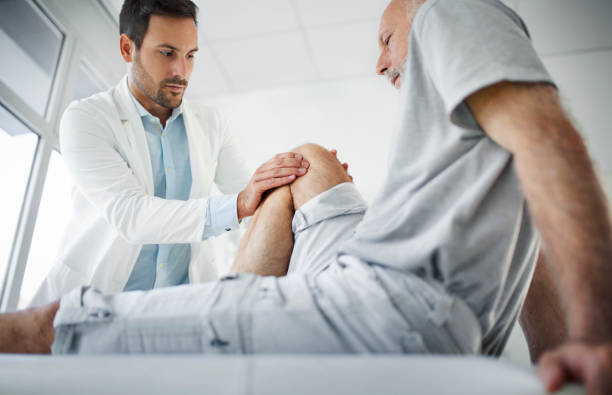
When your primary care physician is unavailable, urgent care provides immediate medical attention. Unexpected medical issues can arise, and knowing where to go saves valuable time. These centers effectively bridge the gap between primary doctors and local hospitals. This is what you should know before you visit an urgent care center:
Same-day Sick Visits
Since appointments are typically not needed here, you walk in at your own convenience. The clinic operates daily for you, and the physicians see patients upon arrival. Providers diagnose these common issues rapidly during your brief visit to the clinic. Many locations offer on-site lab testing for accurate and immediate results.
Typical conditions treated include:
- Persistent flu symptoms
- Painful sore throats
- Recurrent ear infections
- Minor bone fractures
This means that patients not only receive timely care for sudden illnesses or minor injuries, but they also benefit from the convenience of integrated services, such as lab testing, which leads to a more accurate diagnosis and allows for a tailored treatment plan during the same visit.
Non-life-threatening Situations
Qualified medical staff at these centers treat conditions that are not life-threatening. You might have a painful sprain, or you might suffer from the seasonal flu. While the injury hurts significantly, it does not pose an immediate fatal danger. Because they have diagnostic tools, they handle minor cuts requiring stitches efficiently.
Because they lack heavy surgical equipment, they cannot treat major bodily trauma. Severe chest pain requires an immediate visit to the hospital emergency room. You must go to a hospital, or you risk serious health complications. Catastrophic physical injuries need specialized emergency care for an ideal outcome.
Urgent care is efficient for many, but it has specific medical limitations. If you struggle to breathe properly, you must call for emergency services immediately. The medical staff stabilizes patients quickly before a transfer to the hospital. They transfer serious cases immediately, so do not delay seeking help elsewhere.
Required Documentation
When you see a doctor, the staff must verify your identity. You need your current medication list, and you must complete intake forms accurately. When visiting urgent care, bring the following items to get a smooth and efficient experience:
- Valid photo ID
- Current health insurance card
- Medical records or test results
Minor Injuries
Urgent care centers are a convenient option for treating minor injuries like cuts, sprains, burns, or fractures. With shorter wait times than the ER, they provide quick, efficient care. Many of these centers are equipped to handle X-rays, stitches, and wound care on-site.
Staff is available to clean wounds, provide sutures, or apply bandages as needed. For issues such as bruises or minor head injuries that require careful evaluation, medical professionals conduct thorough assessments to rule out further complications. Their goal is to deliver prompt, practical care that gets patients back on their feet with minimal disruption to their daily lives.
Visit Urgent Care Today
Local urgent care centers provide a highly practical solution for your various minor medical needs. You typically get quality care quickly, and you return home to rest comfortably. If you feel sick today, visit a local clinic for fast services and immediate relief.

Cataracts cause clouding in the lens of the eye, and [...]
Epidural steroid injections are a medical treatment for specific types [...]

Untreated OCD (Obsessive-Compulsive Disorder) at work is rarely obvious in [...]
The digestive system is responsible for converting food into the [...]

Custom orthotics offer a scientifically-backed solution for addressing biomechanical inefficiencies [...]

Substance abuse disorders remain a major concern, impacting individuals, families, [...]
General dentists manage a wide spectrum of oral health needs [...]

Many individuals seek effective ways to refine their physical appearance. [...]

