
When you lose a tooth, it can affect how you eat, speak, and even how confident you feel when smiling. Finding a solution that feels natural and permanent is often a top priority for patients facing tooth loss. Dental implants have become a standard option for replacing missing teeth, offering a stable and long-term alternative to bridges or dentures. Before getting dental implants, understanding what they are, how they work, and what you can expect from the process can help you make an informed decision about your oral health.
The Basics of Dental Implants
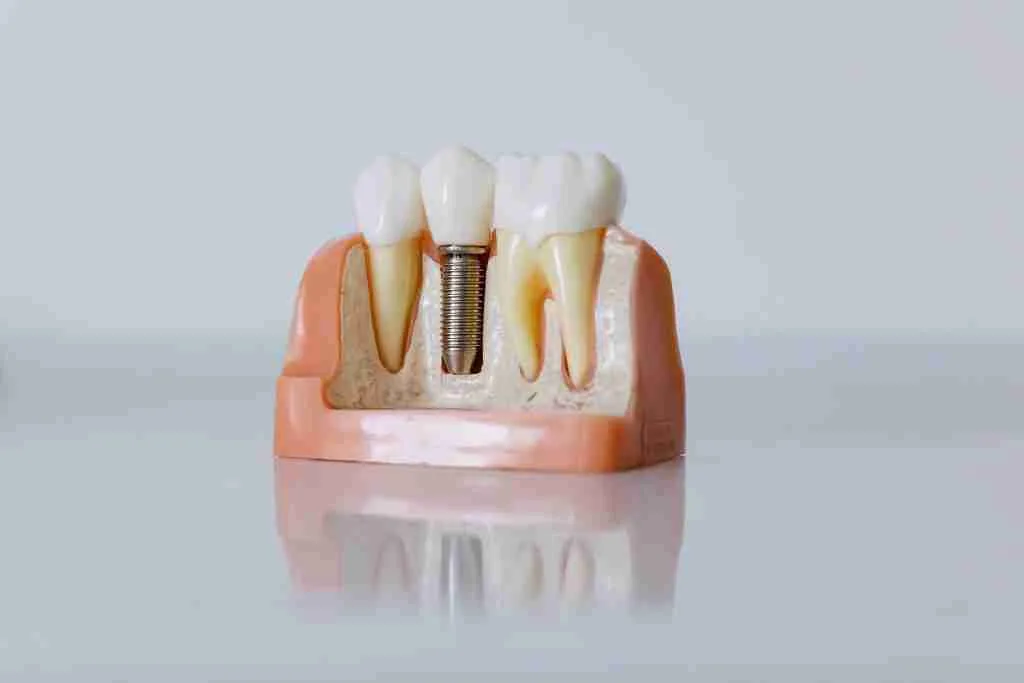
At their core, dental implants are sophisticated replacement tooth roots. They are typically small posts made of titanium, a metal well-tolerated by the human body. Because titanium is biocompatible, it integrates securely with your jawbone over time, creating a solid foundation that mimics the stability of a natural tooth root.
Once the implant is surgically placed into the jawbone, it serves as an anchor for replacement teeth. A connector, known as an abutment, is placed on top of the dental implant to hold and support your specific restoration. Depending on your needs, this restoration could be a single crown, a dental bridge, or even a complete denture. The result is a replacement that looks and functions very much like your natural teeth. It allows you to chew and speak without worrying about slipping or discomfort.
Why Patients Choose Implants
Implants offer significant benefits for your long-term oral health. Here are some of the reasons people choose them:
- Offer stability while eating and talking
- Maintain the tooth-supporting bone
- Act as natural roots
- Do not require special cleaners or adhesives
- Allow for regular brushing and flossing
- Last for 25 years or more
What to Expect During the Process
Getting implants is a process, not a single appointment. The planning process for implants can take weeks. It often involves careful imaging and health assessments to ensure you are a good candidate for dental implants.
Your dentist will evaluate the density and quality of your jawbone to determine if it can support an implant. If you have experienced bone loss, the process may require an additional step. Bone grafting may be needed if there is insufficient bone. This calls for building up the jawbone to ensure a stable base for the implant.
Once the implant is placed, a healing period is necessary to allow the bone to grow around the titanium post. This process, called osseointegration, is critical for the long-term success of the replacement. While this timeline requires patience, the outcome is a secure, functional tooth that restores the integrity of your smile.
Taking the Next Step
Understanding your options is the first step toward restoring your smile and confidence. Dental implants offer a reliable, natural-looking solution that supports both your daily function and your long-term bone health. If you believe implants might be right for you, schedule a consultation with your dentist. A dental implant specialist will answer your questions, assess your specific needs, and help you create a plan that works for you.

Cataracts cause clouding in the lens of the eye, and [...]

Epidural steroid injections are a medical treatment for specific types [...]

Untreated OCD (Obsessive-Compulsive Disorder) at work is rarely obvious in [...]

The digestive system is responsible for converting food into the [...]

Custom orthotics offer a scientifically-backed solution for addressing biomechanical inefficiencies [...]

Substance abuse disorders remain a major concern, impacting individuals, families, [...]
General dentists manage a wide spectrum of oral health needs [...]

Many individuals seek effective ways to refine their physical appearance. [...]