
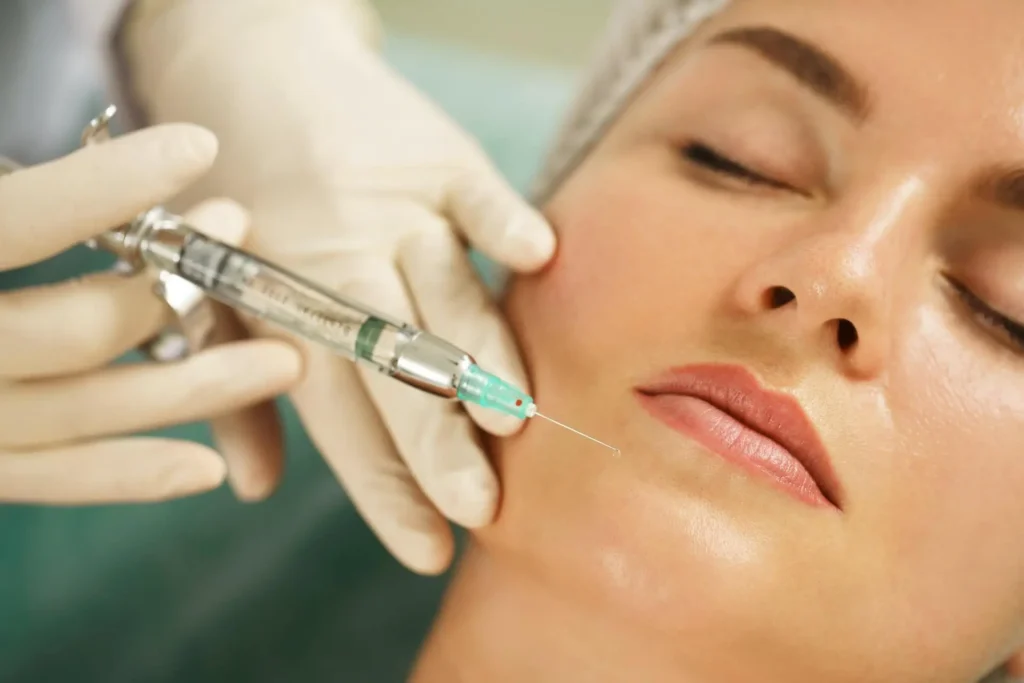
Botox is a cosmetic treatment used to reduce fine lines and wrinkles, helping patients achieve a smooth and youthful appearance. This minimally invasive procedure temporarily relaxes targeted facial muscles, delivering natural-looking results with little to no downtime. Beyond cosmetic use, Botox also offers therapeutic benefits for conditions like migraines and excessive sweating. Here’s what you need to know about Botox treatment and its effects:
How Does Botox Work?
Botox is a brand name for a specific type of botulinum toxin injection. This substance is a purified protein derived from the bacterium Clostridium botulinum. When used in small, controlled doses, these cosmetic injectables temporarily block nerve signals to the muscles at the injection site.
The process prevents the muscles from contracting. As a result, the overlying skin relaxes and smoothens, reducing the appearance of lines and wrinkles. The effects of the botulinum toxin are localized to the treatment area and gradually wear off over time as the body naturally metabolizes the protein.
What Are Its Uses?
Botox injections have a range of applications in cosmetic and medical fields. While it is known mostly for its use as a wrinkle relaxer, its ability to block nerve signals makes it helpful for other conditions. Here are some of the common uses for this treatment.
- Reducing facial wrinkles: Smoothing frown lines between the eyebrows, crow’s feet around the eyes, and forehead lines.
- Treating chronic migraines: Helping to reduce the frequency of headaches in patients who suffer from chronic migraines.
- Managing excessive sweating (hyperhidrosis): Blocking the nerves that activate sweat glands, particularly in the underarms.
- Correcting misaligned eyes (strabismus): Relaxing the eye muscles to help with proper alignment.
- Alleviating muscle spasms: Treating conditions like cervical dystonia, which involves neck muscle contractions.
These are just a few instances of how Botox is used. The applications continue to expand as research uncovers new ways this treatment can benefit patients.
What Should You Expect?
Getting Botox is a straightforward process. Before your appointment, it is helpful to consult with a qualified practitioner. During this meeting, you will discuss your goals, review your medical history, and determine the appropriate treatment plan. Make sure to mention the medications you are taking, as some may need to be temporarily stopped.
On the day of the treatment, the practitioner will clean the target area. Your practitioner may apply a topical anesthetic to numb the skin, though the injections use very fine needles and cause minimal discomfort. After the procedure, you can resume your daily activities immediately. It is recommended to avoid rubbing the treated area, strenuous exercise, and lying down for a few hours to prevent the toxin from spreading. You may notice initial results within a few days, with the full effects becoming visible in about one to two weeks.
What Are the Benefits and Risks?
Like any medical procedure, botulinum toxin injections have both benefits and potential side effects. It is helpful to be aware of these as you contemplate treatment. The procedure is minimally invasive, with no downtime, provides a noticeable reduction in wrinkles, and can effectively treat several medical conditions. Possible side effects are usually mild and temporary, including bruising, swelling, or redness at the injection site. Rarely, patients may experience headaches, drooping eyelids, or a crooked smile, which resolve on their own. A consultation with a skilled provider will help you understand the risks and benefits as they relate to your specific situation.
Schedule Your Botox Appointment Today
Botox offers a versatile solution for cosmetic enhancement and medical conditions, from smoothing wrinkles to treating migraines. The treatment is quick, and the effects can provide significant improvements in appearance and well-being. To explore how Botox can help you, contact a reputable provider or wellness spa near you to schedule your consultation today.
Menopause marks the permanent end of menstrual periods and fertility, [...]

Mental healthcare services focus on improving emotional and psychological well-being. [...]
Geriatric healthcare focuses on promoting and managing the health of [...]
A retinal detachment diagnosis can be concerning. If this has [...]

Musculoskeletal chest pain refers to discomfort originating in the muscles, [...]

Prenatal care is the ongoing medical support provided during pregnancy [...]
An oral surgeon, or a maxillofacial surgeon, is a dental [...]
Menopause is a natural biological process that marks the end [...]