
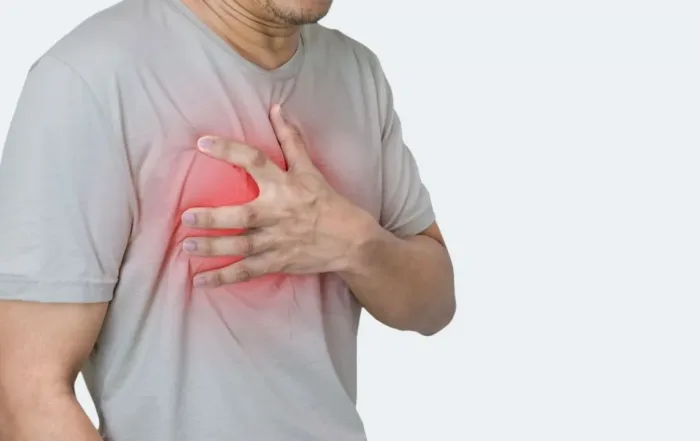
When you feel tightness in your chest, uncertainty may follow that physical sensation immediately. This serious symptom naturally alarms many individuals regardless of their age or current health. The pain might signal a minor issue, or it might signal a severe heart attack, but you must assess the situation quickly to stay safe. Here is what to do when you are experiencing chest pain:
Seek Medical Attention
Prioritize personal safety over convenience during any sudden, unexplained medical event. If the pain spreads to your arm, you need professional help right away. Time is valuable when you have pain near the heart, so speed remains a primary factor in your survival. Call emergency services immediately, and do not attempt to drive yourself to the hospital.
Watch for these accompanying symptoms:
- Shortness of breath
- Nausea or vomiting
- Sweating
- Lightheadedness or dizziness
- Jaw pain
These chest pain symptoms may not always present in the same way for every individual. Early action during a suspected cardiac event can significantly improve outcomes. While it can be complex, staying alert and seeking help promptly is significant for your safety.
Rule Out Cardiovascular Problems
Doctors typically check your heart first. They perform an EKG, and they review the electrical results quickly. Because time matters, this test happens right away upon your arrival at the hospital. A physician interprets the lines on the paper to find any rhythm abnormalities.
When the EKG looks normal, the medical team orders specific blood work. Certain levels indicate heart damage; high levels suggest a problem, but low levels usually rule out a heart attack. Nurses may draw blood samples multiple times to track these chemical levels accurately over time.
Chest imaging provides clarity, and it shows the physical state of your lungs. While X-rays work well, CT scans offer much more detail about the arteries. Aortic tears require surgery, and advanced scanners detect these structural issues within seconds.
Determine Underlying Cause
Digestive issues may mimic severe cardiac symptoms, and they’re not always linked to heart problems. Since acid reflux burns the esophagus, it typically feels like heavy pressure in the chest. The stomach produces acid, and sometimes that acid moves upward incorrectly into the throat. Medication usually relieves these digestive symptoms quickly.
When you press on the chest wall, the pain often intensifies significantly. Muscle strain causes discomfort, and inflammation in the ribs creates sharp sensations. Other issues affect the cartilage connecting the ribs. Rest heals these musculoskeletal injuries, but anti-inflammatory drugs also assist with pain management.
Begin Treatment
Once a diagnosis exists, the doctor can create a specific recovery plan for you. Medication manages heart conditions, but lifestyle changes prevent future incidents effectively. Because heart issues require care, you might need blood thinners or beta-blockers immediately. Follow all instructions carefully to improve your prognosis.
Get Treated for Chest Pain
If you ignore symptoms, the underlying condition might worsen rapidly without help. Early action may help to protect your health. Chest pain signals a problem, and sometimes it is serious, so you must never ignore this warning sign. Contact a medical professional today and schedule a full evaluation of your heart health.
Menopause marks the permanent end of menstrual periods and fertility, [...]

Mental healthcare services focus on improving emotional and psychological well-being. [...]
Geriatric healthcare focuses on promoting and managing the health of [...]
A retinal detachment diagnosis can be concerning. If this has [...]
Musculoskeletal chest pain refers to discomfort originating in the muscles, [...]

Prenatal care is the ongoing medical support provided during pregnancy [...]

An oral surgeon, or a maxillofacial surgeon, is a dental [...]
Menopause is a natural biological process that marks the end [...]