
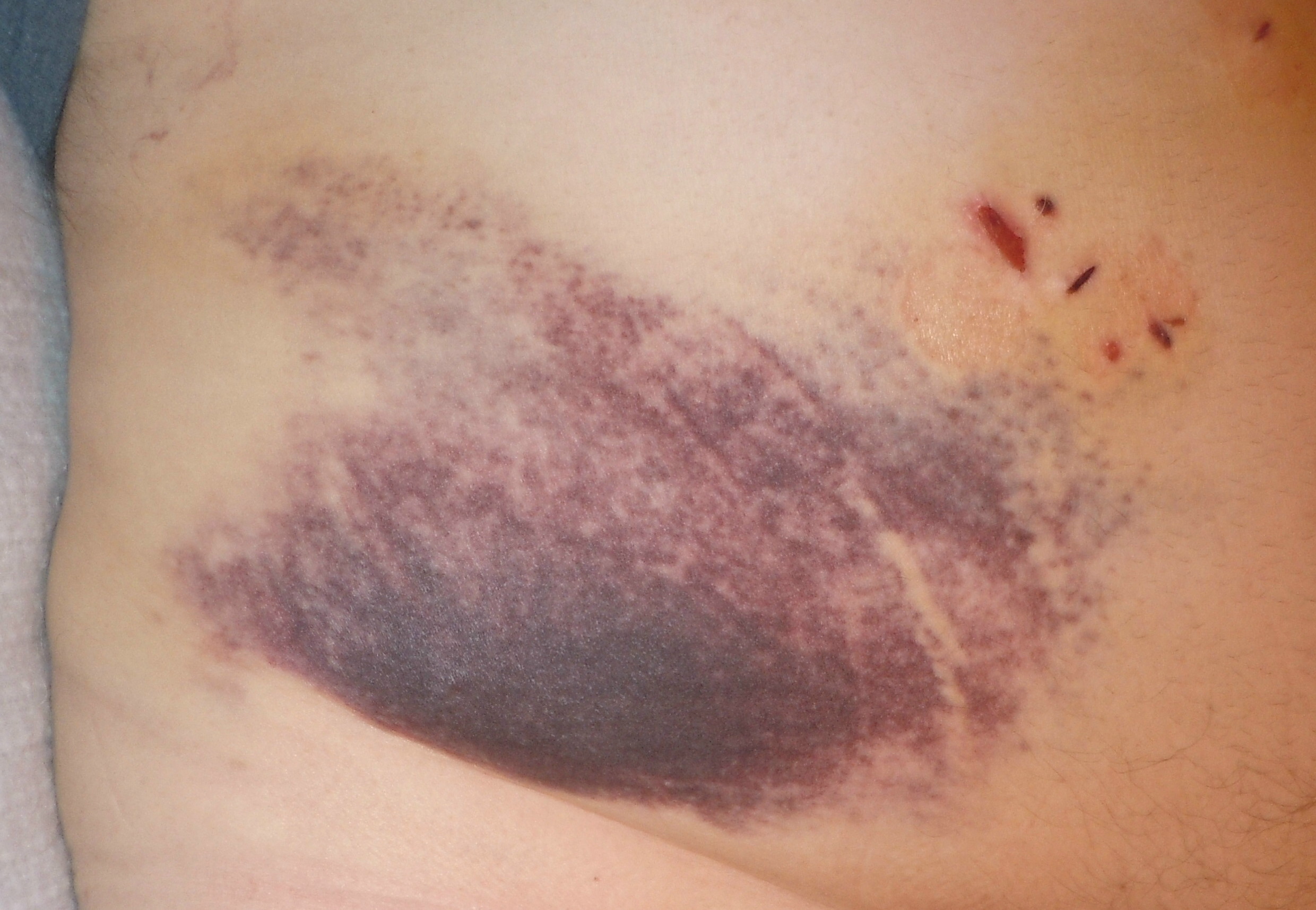
The gallbladder is a small, pear-shaped organ located beneath the liver. Its primary function is to store and concentrate bile, a digestive fluid produced by the liver. Bile helps digest fat in the small intestine. When the gallbladder is removed, a procedure known as a cholecystectomy, the body must adapt to a new way of processing fatty foods. Here’s more information on what to expect from the recovery process after a gallbladder removal surgery:
What Is Gallbladder Surgery Like?
Gallbladder removal surgery, or cholecystectomy, is a common procedure to address gallbladder-related problems. Most cholecystectomies are performed laparoscopically, which is a minimally invasive technique. During a laparoscopic procedure, a surgeon makes several small incisions in the abdomen and inserts a tiny video camera and special surgical tools to remove the gallbladder. This approach typically results in less pain, a shorter hospital stay, and faster recovery compared to open surgery.
Gallbladder removal may become necessary when gallbladder conditions cause significant pain or other complications. Gallstones can block the flow of bile, leading to severe discomfort and potential inflammation or infection. In such cases, removing the gallbladder provides a definitive solution to prevent future issues and alleviate symptoms.
What Are Some Gallbladder Conditions?
Several health conditions can affect the gallbladder and may necessitate its removal. Gallstones, which are hard deposits that can form in the gallbladder, vary in size and may cause no symptoms or lead to intense pain if they obstruct a bile duct. Another condition is cholecystitis, which is the inflammation of the gallbladder, and it is often caused by a gallstone blocking the cystic duct. This condition can be acute, with a sudden onset of severe pain, or chronic, with recurring episodes of inflammation. Biliary dyskinesia is a functional disorder where the gallbladder does not empty bile correctly, leading to chronic pain even without the presence of gallstones.
What Is Recovery Like?
Following a cholecystectomy, patients will go through a recovery period as their bodies adjust. Recovery experiences vary, but understanding the typical adjustments may help you prepare. The process involves immediate post-operative care and some longer-term lifestyle modifications.
Dietary Adjustments
After surgery, your digestive system needs time to adapt to the absence of the gallbladder. You may initially follow a clear liquid diet and then gradually reintroduce solid foods. It is often recommended to start with low-fat foods and smaller, more frequent meals to ease digestion, and many people find that high-fat or greasy foods can cause bloating or diarrhea.
Healing Times
Healing times depend on the type of surgery performed. For a laparoscopic cholecystectomy, many people can return to normal activities within about a week, though strenuous activities and heavy lifting should be avoided for several weeks. Recovery from an open cholecystectomy takes longer, often requiring a more extended hospital stay and a recovery period.
Long-term Adjustments
Most people do not experience long-term digestive issues after gallbladder removal, but the body will process fats differently. Bile will flow directly from the liver into the small intestine instead of being stored in the gallbladder. For a small number of individuals, this can lead to post-cholecystectomy syndrome, with symptoms like gas, bloating, and diarrhea. These symptoms can often be managed through ongoing dietary adjustments.
Schedule a Gallbladder Removal Consultation
If you are experiencing symptoms related to your gallbladder, discuss your treatment options with a healthcare provider today. A consultation can provide a clear diagnosis and help determine if gallbladder removal is the appropriate course of action for your specific condition. To learn more about your digestive health, contact a general surgery specialist for more information.
Menopause marks the permanent end of menstrual periods and fertility, [...]

Mental healthcare services focus on improving emotional and psychological well-being. [...]
Geriatric healthcare focuses on promoting and managing the health of [...]
A retinal detachment diagnosis can be concerning. If this has [...]
Musculoskeletal chest pain refers to discomfort originating in the muscles, [...]

Prenatal care is the ongoing medical support provided during pregnancy [...]
An oral surgeon, or a maxillofacial surgeon, is a dental [...]
Menopause is a natural biological process that marks the end [...]