

Understanding the scope of medical care available to your family helps in managing long-term health. A family practice serves is central to healthcare, offering comprehensive medical attention to patients of all ages, from infants to seniors. Family practices build lasting partnerships with patients, and this allows physicians to understand a family’s health history in depth. Here is more information on the services these practices provide:
What Is a Family Practice?
A family practice is a medical specialty devoted to comprehensive health care for people of all ages. The physicians act as primary care providers; this means they are the first point of contact for patients’ undiagnosed health concerns and for continued care for a variety of medical conditions. They focus on integrated care, treating the whole person rather than just a specific organ or disease. This approach allows for better management of chronic conditions and a stronger emphasis on preventative measures.
What Are the Available Services?
Family practices provide a diverse array of medical services designed to maintain health and treat illness. Preventive care is a primary focus, and this includes routine check-ups, health-risk assessments, immunizations and screenings, and personalized counseling on maintaining a healthy lifestyle. These proactive measures help detect conditions early when they are most treatable.
These practices offer acute care for short-term illnesses and injuries. This includes treatment for common ailments such as colds and the flu, sinus infections, and minor injuries such as cuts and sprains. Having a reliable place to go for sudden health issues enables prompt treatment, and this can improve treatment outcomes.
Chronic disease management is another service provided by family physicians. They coordinate care for long-term conditions such as diabetes, hypertension, asthma, and heart disease, and they provide referrals to specialists for a comprehensive treatment plan. This ongoing management helps stabilize conditions and improve the quality of life for patients living with chronic illnesses.
What Conditions Are Treated?
Family physicians are trained to diagnose and treat a range of health conditions. Respiratory infections, such as pneumonia and influenza, are managed within a family practice setting. They also handle dermatological issues, including acne and suspicious moles, and they perform minor procedures when necessary.
Musculoskeletal problems are commonly addressed, ranging from back pain and arthritis to sports injuries. Physicians provide initial diagnosis, pain management strategies, and referrals if more specialized care is required. Doctors can also screen for and treat conditions like depression and anxiety. By addressing mental well-being alongside physical health, family practices enable a holistic approach to patient care.
What Does an Appointment Involve?
An appointment typically begins with a review of your medical history, during which a medical professional will check your vital signs, such as blood pressure, heart rate, and temperature, before the physician enters the examination room. This initial data collection provides a baseline for the doctor’s assessment.
During the consultation, the physician will perform a physical examination relevant to your complaints or the nature of the visit. They may ask questions about your lifestyle, family history, and any changes in your health since the last visit; this helps the doctor form a diagnosis and develop an appropriate treatment plan tailored to your needs. The appointment concludes with a discussion of the next steps, which may include follow-up tests.
Schedule an Appointment Today
Choosing a family practice supports the long-term well-being of your household. From preventive screenings to chronic disease management, these practices offer comprehensive care tailored to every stage of life. If you are ready to establish a medical home for your family, contact a local provider and schedule an initial consultation.

Cataracts cause clouding in the lens of the eye, and [...]
Epidural steroid injections are a medical treatment for specific types [...]

Untreated OCD (Obsessive-Compulsive Disorder) at work is rarely obvious in [...]

The digestive system is responsible for converting food into the [...]

Custom orthotics offer a scientifically-backed solution for addressing biomechanical inefficiencies [...]

Substance abuse disorders remain a major concern, impacting individuals, families, [...]
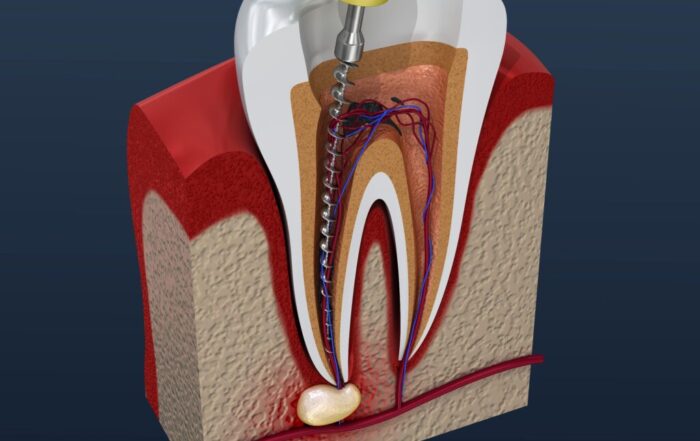
General dentists manage a wide spectrum of oral health needs [...]

Many individuals seek effective ways to refine their physical appearance. [...]