
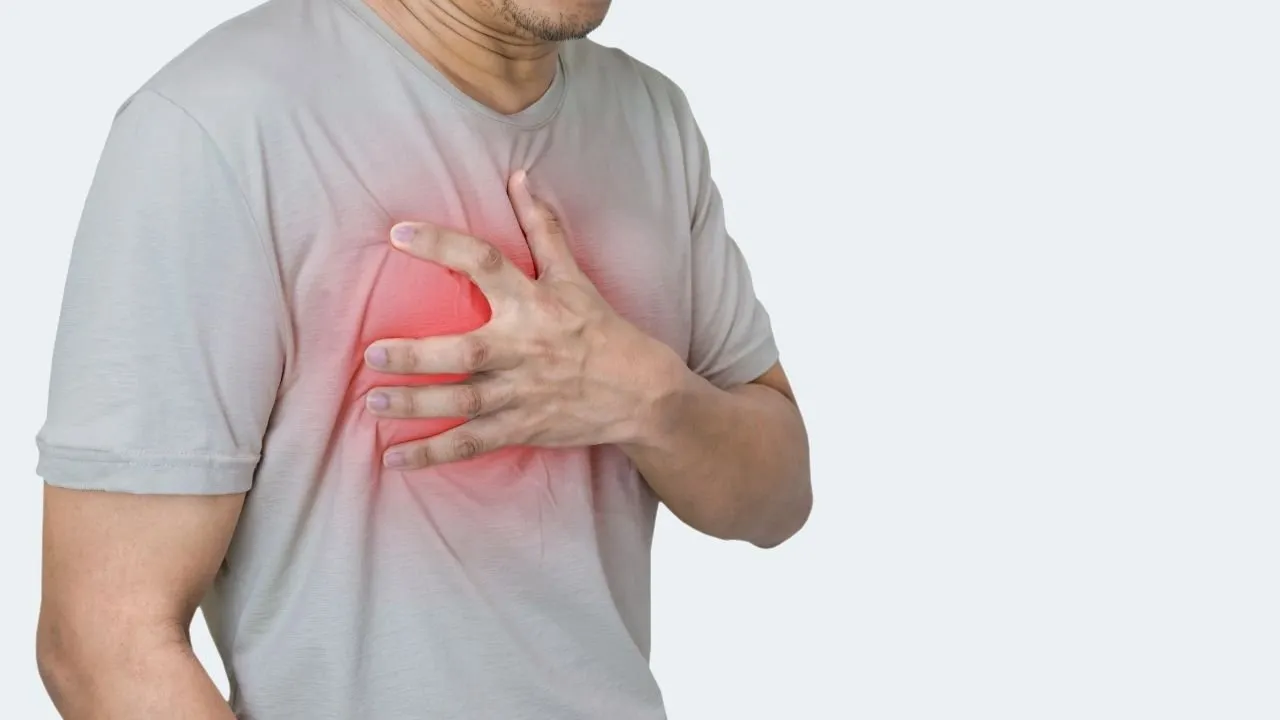
Musculoskeletal chest pain refers to discomfort originating in the muscles, bones, or other soft tissues of the chest wall rather than in internal organs like the heart or lungs. While it can feel alarming due to its location, musculoskeletal pain is often linked to mechanical stress placed on the body during a workout. This type of pain often results from overuse or minor trauma to the pectoral muscles or the rib cage during physical activity. Here’s information on chest pain that occurs after exercise:
What Causes Chest Pain?
Chest pain can stem from a variety of sources, ranging from benign muscular issues to more complex internal conditions. When exercise is the trigger, the body is under increased demand, and different systems may react to that stress. Identifying the root cause of pain requires examining the specific activity performed and the nature of the sensation experienced.
Musculoskeletal Pain vs. Heart Pain
Distinguishing between musculoskeletal pain and heart-related pain involves understanding the mechanisms behind each. Musculoskeletal pain is frequently caused by inflammation or strain in the chest wall, such as costochondritis (inflammation of the cartilage connecting a rib to the breastbone) or a strained pectoral muscle from heavy lifting. This type of pain is often reproducible; if you press on the affected area or move your arm in a certain way, the pain typically worsens.
Heart-related pain, such as angina, occurs when the heart muscle does not receive enough oxygen-rich blood. This is not usually tender to the touch but feels like pressure, squeezing, or fullness deep within the chest. Heart pain may radiate to other areas of the body, and it generally persists regardless of body position or movement.
Common Symptoms
The symptoms of chest pain vary significantly depending on the underlying cause. For musculoskeletal issues, the pain is often sharp, localized, and worsens with deep breaths or specific upper-body movements. You might notice swelling or tenderness when touching your chest wall. Cardiac-related symptoms often present as a dull ache or heavy pressure that may be accompanied by:
- Shortness of Breath
- Nausea
- Lightheadedness
Sweating profusely without a clear correlation with exertion is another potential sign. Recognizing these distinctions helps individuals articulate their experiences clearly when seeking professional advice.
What Can Pain After Exercise Signify?
Experiencing pain after a workout often signifies that the body is reacting to the physical stress placed upon it. In many cases, it indicates delayed-onset muscle soreness (DOMS) in the chest muscles, especially if the exercise routine included new movements like push-ups or bench presses. This is a normal response to micro-tears in muscle fibers that occur during strength training, and it usually resolves with rest.
Pain can also signify that an individual has pushed beyond their current physical limits, leading to acute strain. Chest pain may indicate exercise-induced asthma or bronchospasm, in which the airways narrow during physical exertion, leading to tightness and discomfort. It is key to monitor how your pain evolves; pain that diminishes with rest suggests a mechanical or muscular origin, while pain that persists or escalates requires closer attention.
When Should You Visit a Specialist?
While mild muscle soreness is common, certain signs warrant a consultation with a medical professional. You should visit a specialist if your pain is sudden, severe, or does not improve with rest. If your pain is accompanied by serious other symptoms, immediate medical evaluation is necessary. Some serious symptoms to take note of include:
- Dizziness
- Fainting
- Irregular Heartbeats
- Difficulty Breathing
A specialist can perform diagnostic tests, such as an electrocardiogram (ECG) or stress test, to rule out cardiac issues. They can also evaluate the musculoskeletal system to identify specific injuries, like rib fractures or severe muscle tears. Getting timely medical interventions helps manage your condition more effectively.
Learn More Ways To Manage Chest Pain
Managing chest pain effectively involves a combination of rest, proper technique, and professional guidance. For musculoskeletal pain, warming up adequately before exercise and cooling down afterward can help prevent muscular strain. If you are prone to chest tightness, working with a specialist to develop a tailored exercise plan can help mitigate your risk of chest pain. Understanding your body’s signals allows you to maintain an active lifestyle, and regularly meeting with a heart specialist helps you prioritize your long-term health.

Cataracts cause clouding in the lens of the eye, and [...]
Epidural steroid injections are a medical treatment for specific types [...]

Untreated OCD (Obsessive-Compulsive Disorder) at work is rarely obvious in [...]
The digestive system is responsible for converting food into the [...]

Custom orthotics offer a scientifically-backed solution for addressing biomechanical inefficiencies [...]

Substance abuse disorders remain a major concern, impacting individuals, families, [...]
General dentists manage a wide spectrum of oral health needs [...]

Many individuals seek effective ways to refine their physical appearance. [...]